The Story
Why it exists.
The beginning
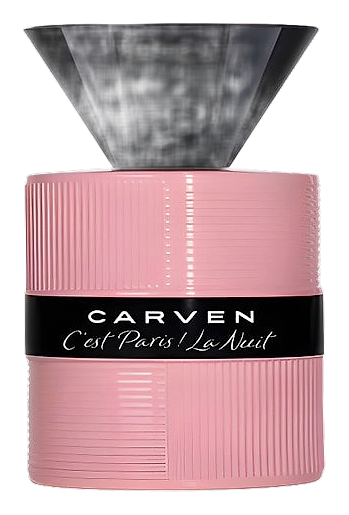
Carven's Paris collection already had its landmarks: Santorin, Tanger, La Havane. La Nuit added a different kind of map, one drawn after midnight, when the city stops performing and starts being itself. The brief asked for audacious femininity, magnetic pull, the mystery of Paris when nothing is impossible. The C'est Paris line has always traded in specific coordinates; La Nuit captured the hour when the evening tips into something unguarded. The name carries expectation. Nights in Paris carry mythology. Carven answered with something cooler than the name implied, not opaque, not heavy, but floral with a wink. The flirty powdery character surprised reviewers expecting something darker. That's the tension the fragrance was built around: the tease of a name, the restraint of the actual scent.
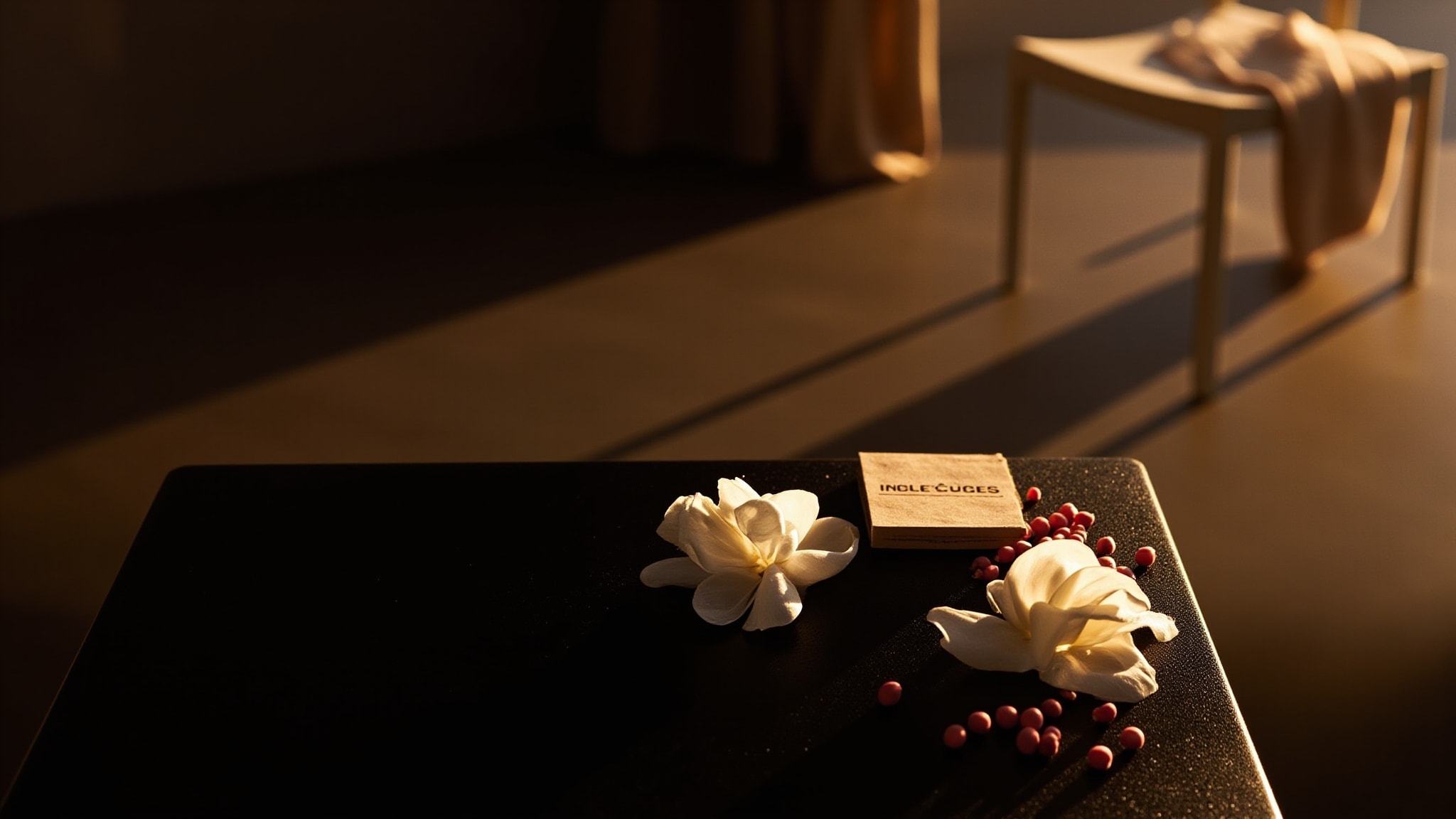
What separates this from the white floral pack is the top structure. Pink pepper, rhubarb, and mandarin are not the usual gardenia companions, they bring a tartness that cuts through the cream rather than amplifying it. Gardenia leans custard-rich in most formulations; here it's kept honest by the green bite underneath. Tuberose adds that slightly feral edge that makes white florals interesting without pushing the composition into full indolic territory. The vanilla-patchouli base does what bases do: it gives weight and staying power. But the proportions matter. There's enough warmth to comfort, not enough to smother. The patchouli keeps the sweetness from becoming precious.
The evolution
The first minutes belong to citrus and spice. Mandarin orange arrives clean and immediate, rhubarb lending a tart green snap that surprises in a white floral composition. Pink pepper threads through, subtle, barely warming the edges. This opening is bright and awake, nothing sleepy about it. Within the hour, the florals take over. Gardenia leads, as it should, creamy and lush with a faint rubbery undertone that keeps it from reading too sweet. Jasmine joins, adding warmth rather than volume. Tuberose lingers in the background, its animalic edge present but restrained, the vanilla and patchouli work to soften rather than amplify it. The base settles around hour three. Vanilla wraps the florals in something close and comforting while patchouli grounds the composition, stopping it from floating away entirely. Six to eight hours is the realistic range on skin, close enough to catch on your own wrist, not loud enough to announce itself across a room. The next morning, a faint warm skin scent remains, as if the fragrance decided to stay.
Cultural impact
The C'est Paris collection positions Carven in the ongoing conversation about place-as-fragrance. La Nuit stakes out different territory than its siblings, not the heat of Tanger or the brightness of Santorin, but that particular Parisian hour when the city tips into something unguarded. The flirty, powdery character surprised reviewers expecting darkness from the name. That's the interest: a night scent that doesn't perform darkness, just presence.