




























Heritage
A house, in its own words
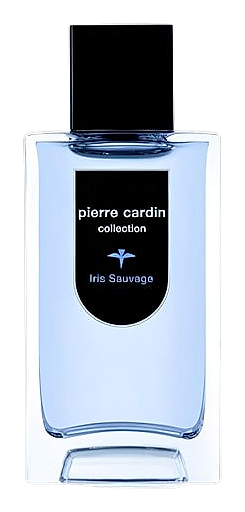
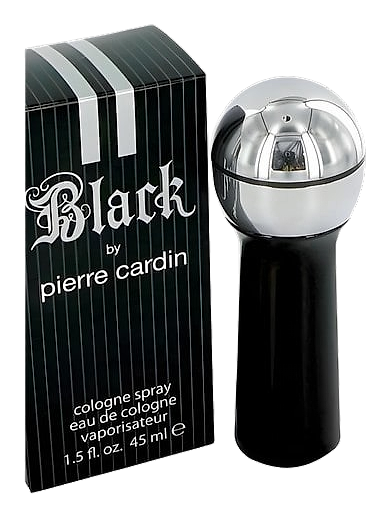
Pierre Cardin founded his eponymous fashion house in 1950 after purchasing a small costume shop on Rue Richepanse in Paris. The brand quickly earned a reputation for futuristic silhouettes, most famously the bubble dress introduced in 1954. By the early 1970s Cardin turned his design sensibility toward fragrance, launching the first men’s scent, Pour Monsieur, in 1972. The lock‑shaped bottle, noted for its industrial look, signaled the designer’s intent to bring architectural ideas to perfume packaging. Nine years later, in 1976, the house released Cardin for Women, its inaugural women’s fragrance, expanding the olfactory range beyond the masculine market. Over the following decades the brand introduced a series of niche releases, including Singulier (1955), Amadis, Yseult (2000) and a trio of Centaure variants in the mid‑1990s. By 2013 the line featured Innovation, a scent that combined contemporary accords with a nod to the brand’s heritage of experimentation. Throughout its history Pierre Cardin has maintained a steady output, with FragranceNet reporting more than forty perfume launches to date. The brand’s evolution mirrors its founder’s broader business model: a willingness to explore new markets, license the name across product categories, and keep the design language consistent across fashion and fragrance. Cardin’s creative vision treats perfume as a wearable extension of his architectural fashion concepts. He favors clean lines, geometric forms and a forward‑looking attitude, values that translate into scent structures built around clear, identifiable accords. The brand emphasizes originality, seeking to avoid trends that fade quickly. Instead, each fragrance aims to capture a moment of modern life while retaining a timeless core. Cardin’s approach to perfumery also reflects his belief in accessibility; the house offers a range of price points without compromising on ingredient quality. The designer’s global outlook encourages collaborations with perfumers from different regions, allowing cultural nuances to inform the final composition. This philosophy, documented in the brand’s historical overviews, underscores a commitment to consistency, innovation within a defined aesthetic, and a respect for the craft of scent making.