The Story
Why it exists.
The beginning
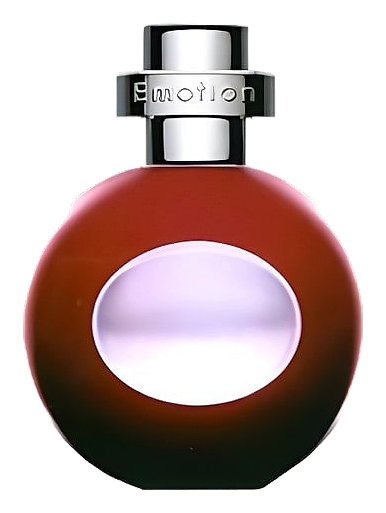
Emotion is a fragrance from Pierre Cardin, the French fashion house founded in 1950 that built its reputation on bold geometric silhouettes and futuristic design. Rather than chasing trends, Pierre Cardin approached fragrance the way he approached clothing: with clean lines, confident restraint, and an eye for what feels inevitable rather than fashionable. The house entered the fragrance market in the 1970s, treating scent as another dimension of its design universe. Emotion arrived as a statement about feeling itself. The name is the brief. The brief is the feeling. And then the challenge becomes translating something as abstract as an emotional state into something you can smell on your skin.
The heart of this fragrance presents a nuanced floral architecture that rewards patience. Orchid brings its distinctive spicy-vanilla character, lending depth without sweetness. Lotus adds a watery, delicate quality that keeps the composition from becoming heavy. Jasmine, with its indolic richness, grounds the heart in something familiar yet elevated. Together, these three materials create a center that feels both structured and organic, never overwhelming the wearer but remaining present throughout the drydown.
The evolution
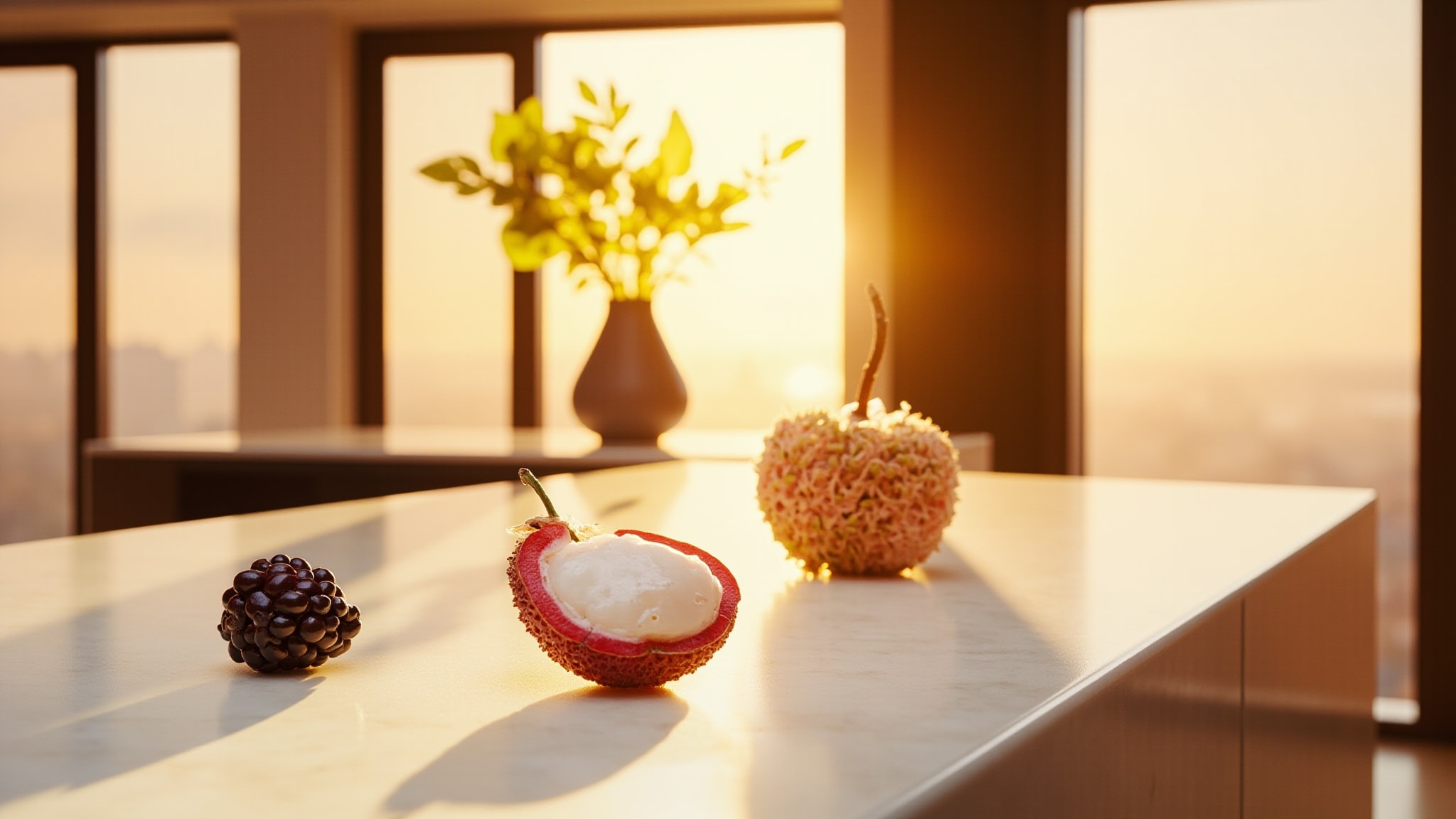
The opening delivers tropical fruit at its most vivid. Blackcurrant arrives with a tart, almost berry-like brightness that cuts through any potential sweetness. Lychee follows, offering its characteristic watery floral quality alongside a gentle fruitiness that feels sun-ripened without being cloying. Juniper adds a subtle green lift, a quiet botanical edge that prevents the tropical notes from feeling superficial. The combination is immediate and confident, the kind of opening that announces itself without apology. Around the time the top notes begin their natural recession, the heart emerges with quiet authority. Orchid, lotus, and jasmine arrive in layers rather than all at once, with each material asserting itself before merging into the composition. The transition feels organic rather than abrupt, the tropical brightness softening as the floral heart takes hold.
Cultural impact
Emotion entered the market in 2005, a period when florals were experiencing renewed attention in mainstream perfumery. Rather than relying on familiar rose or jasmine constructions, the fragrance offered a more exotic interpretation through orchid and lotus, materials that brought sophistication without predictability. It found resonance with wearers seeking something that felt elegant and distinctive, a fragrance comfortable in intimate settings rather than demanding attention. The combination of tropical fruit opening and floral heart gives it versatility that works across seasons, while the woody base ensures it never feels ephemeral.