
The Story
Why it exists.
The beginning
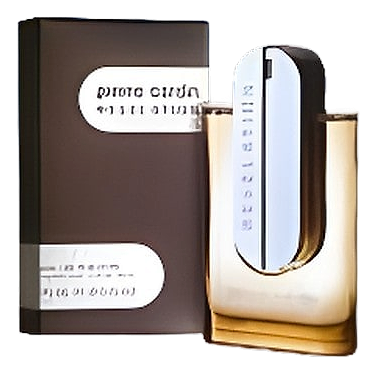
Daniel Moliere designed Revelation for Pierre Cardin in 2004, structuring the composition around a core tension, cool versus warm, fresh versus smoky. The name itself suggests unveiling: an aromatic revelation that layers complexity until the full picture emerges on skin. Pierre Cardin's avant-garde heritage informed the brief, pushing toward something that announced itself without apology, structure, contrast, and forward momentum in liquid form.
The note structure is deliberate in its contradictions. Star anise and Artemisia bring a bitter, aromatic edge that reads almost medicinal. Against them, pink grapefruit and corn mint supply sharp freshness. The heart adds warmth, incense smoke curling through teakwood and jasmine. This is not a fragrance that starts fresh and ends warm in a predictable arc. Instead, these elements coexist, pushing against each other throughout wear. Brazilian rosewood and musk base ground everything, preventing the composition from becoming either too cold or too heavy.
The evolution
The opening hits fast and does not apologize for it. Star anise dominates, sharp, aniseed, the kind of smell that either hooks you immediately or makes you reconsider the first spray. Artemisia adds a bitter herbal note underneath. Pink grapefruit cuts in with bright citrus, preventing the opening from becoming too medicinal. The corn mint keeps things cool. For a while, the composition holds in aromatic territory, fresh, green, slightly medicinal. Then the hand-off begins. Incense and teakwood emerge from the heart, smoke softening the aniseed edge. Jasmine appears quietly, lending a floral undertone that grounds the composition. Basil adds a savory, herbaceous quality that keeps the heart from becoming sweet. This middle phase brings complexity, layered neither purely fresh nor purely warm. The drydown strips back to essentials. Musk and Brazilian rosewood create a woody-musky base.
Cultural impact
Pierre Cardin occupies a particular space in fragrance, a fashion house with serious heritage, operating without the hypervisibility of luxury mega-brands. This creates a distinct audience: people who know the name, appreciate its history, and seek something that reflects the house avant-garde spirit without mainstream exposure. Revelation fits this positioning precisely. It is not trying to compete with designer blockbusters or niche cult favorites. It exists for those who found Pierre Cardin themselves, or who remember the brand from its fashion heyday.