Corn mint
Corn mint delivers an immediate, crystalline coolness that cuts through fragrance compositions. Cultivated primarily in India, this Mentha arvensis packs menthol levels far surpassing other species, making it indispensable for high-impact fresh accords.
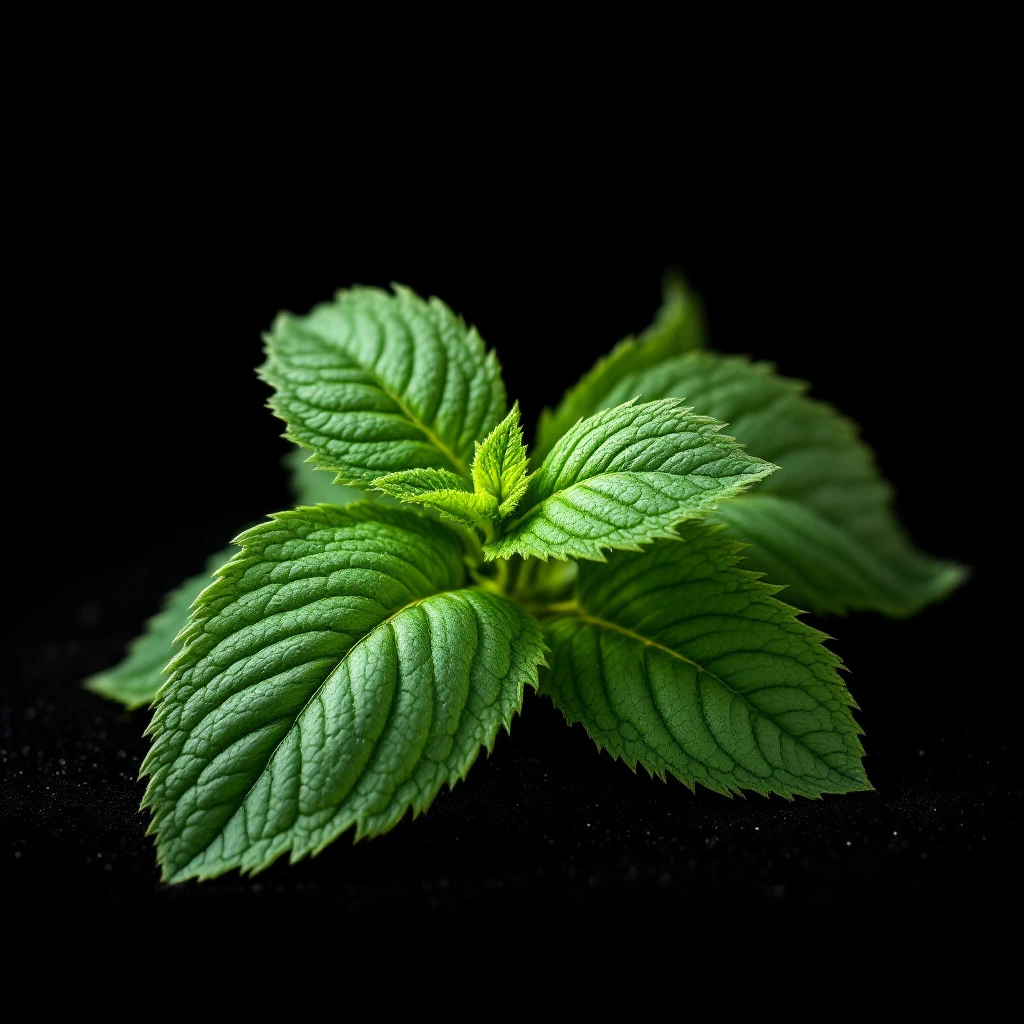
Character
How it smells
Crystalline menthol punch from Mentha arvensis.
Corn mint contains up to 90% menthol, making it the richest natural source of this compound in the plant kingdom.


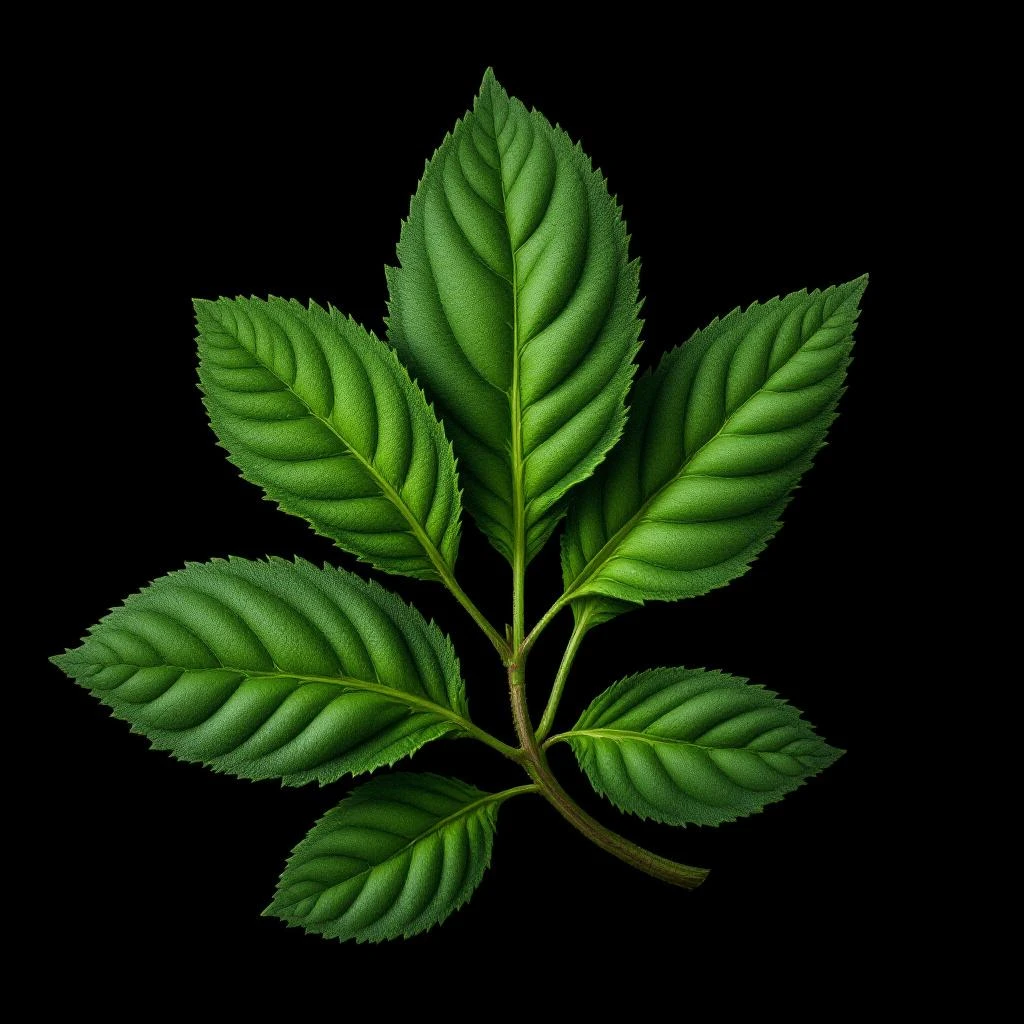





Origin
India
Corn mint traveled through human history as a therapeutic agent long before it became a fragrance raw material. Ancient Greek physicians including Dioscorides documented its use for digestive complaints and respiratory congestion. Roman naturalists described similar applications, and the herb appears in early Chinese medicinal texts as a cooling remedy for fever and headaches.
Medieval European monastic gardens routinely cultivated mint species for their healing properties, and folk medicine across the continent employed corn mint in poultices and tonics. When colonists settled North America, they found native Mentha arvensis already in use among indigenous peoples. Commercial essential oil production began in earnest during the 19th century, with English and American distillers establishing extraction operations.
India eventually emerged as the dominant global supplier, with cultivation concentrated in Uttar Pradesh and surrounding states. Today, this humble field herb supplies the menthol that makes everything from chewing gum to fine fragrance possible.
Wears it best
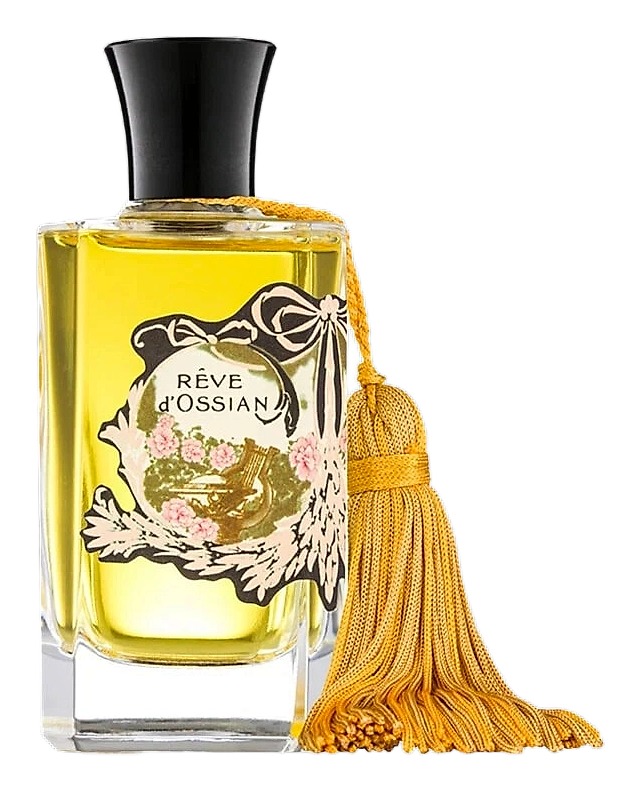
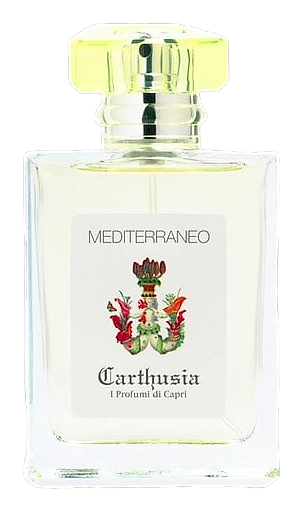
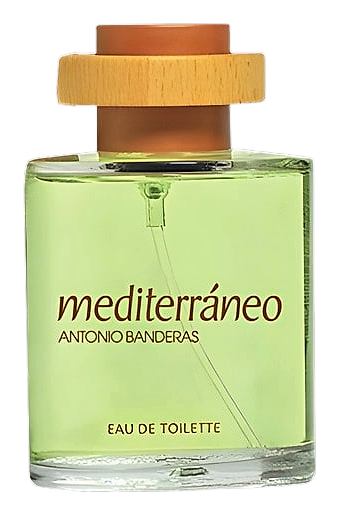
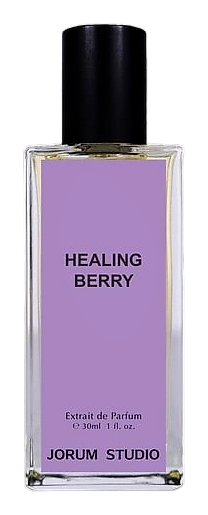
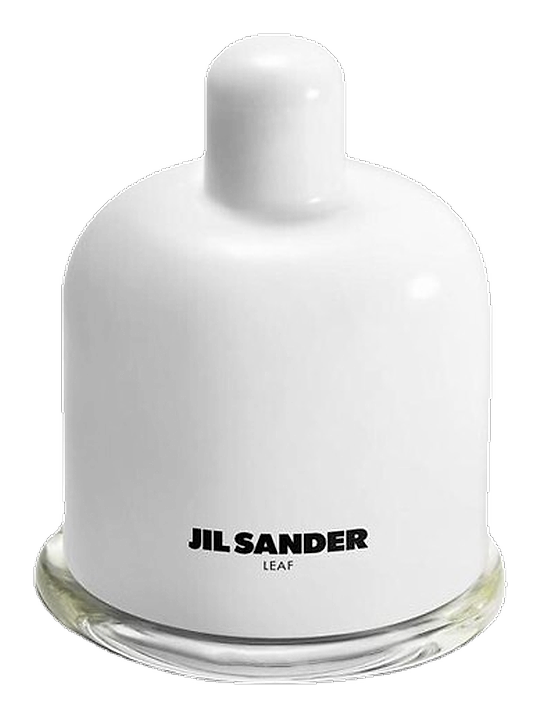
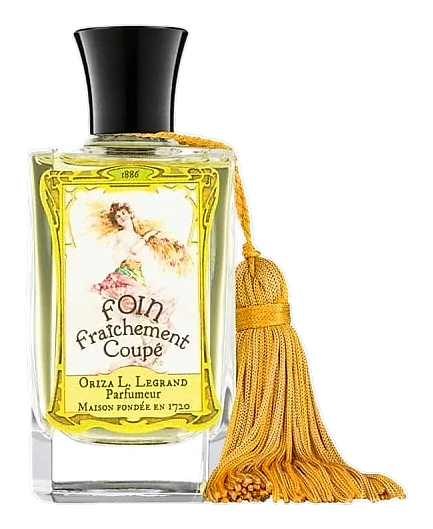
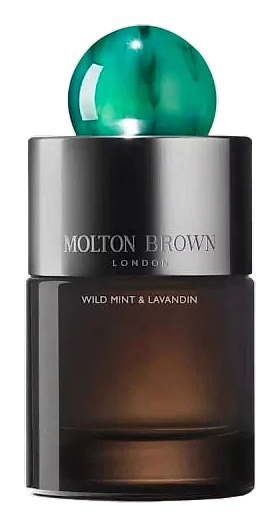
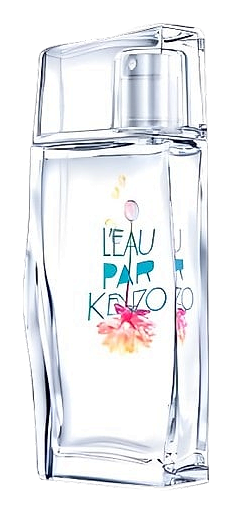
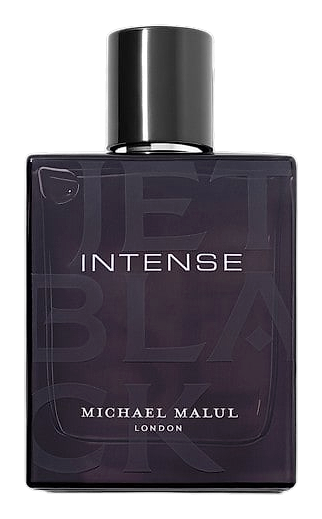
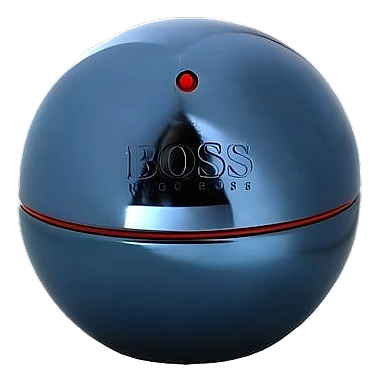
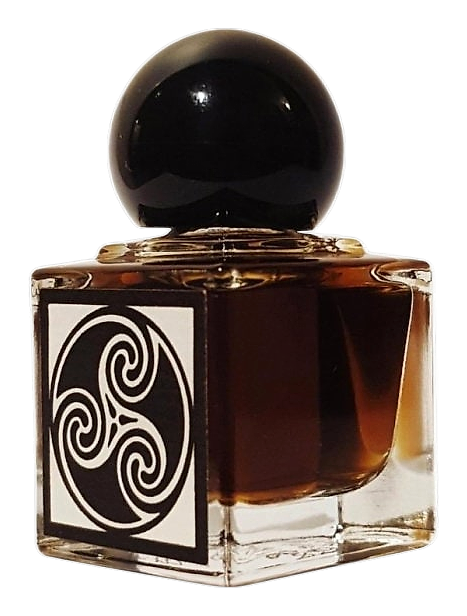
Fragrances featuring Corn mint

Brands
Brands known for Corn mint
Good to know
Questions, answered
The essentials on Corn mint in perfumery: how it smells, where it comes from, and how it behaves on skin.
What makes corn mint different from peppermint in perfumery?
Corn mint contains significantly higher menthol content than peppermint, typically 60-90% versus 30-50%. This creates a sharper, more medicinal coolness compared to peppermint's sweeter, slightly camphorated profile.
How do perfumers use corn mint in fragrance compositions?
Corn mint oil provides an intense mentholated freshness that works in top notes for an immediate cooling effect. Perfumers use it in fresh colognes, masculine fougeres, and aquatic fragrances to create bright, crisp openings.
Is corn mint oil produced synthetically or from natural sources?
Natural corn mint oil comes from steam distilling cultivated Mentha arvensis. Synthetic menthol exists but cannot replicate the full complexity of the natural oil, which contains dozens of trace compounds beyond menthol.
Which countries produce the most corn mint oil?
India produces approximately 80% of global corn mint oil output, making it the dominant supplier. The United States serves as the largest single importer for both fragrance and pharmaceutical applications.
Why is corn mint a critical ingredient for the menthol supply chain?
Corn mint ranks as the richest natural source of menthol, with concentrations reaching 90% in optimized cultivars. Pharmaceutical, confectionery, and fragrance industries depend on this supply for mentholated products.
What does corn mint smell like on its own?
Straight corn mint oil presents an overwhelmingly cool, medicinal menthol sensation with sharp green undertones. The aroma reads as intensely cooling, almost numbing, and quite far from the familiar kitchen mint experience.
When do producers harvest corn mint for oil extraction?
Producers harvest corn mint just before or during early flowering, when menthol concentration peaks in the aerial parts. Timing matters considerably; harvesting too early yields less oil, while delaying reduces menthol percentages.
Can corn mint oil be used as a single-note fragrance?
Corn mint oil alone functions more as a character ingredient than a standalone fragrance. Its extreme intensity and medicinal quality make it better suited as an accord-builder rather than a soliflore-style scent.