
The Story
Why it exists.
The beginning
Hugo Lambert created Chypre Mousse in 1914 with a specific brief: capture the forest after the first September rainfall. Not the pristine forest of tourism brochures, but the real thing, damp undergrowth, mossy paths, the green scent that happens when summer heat breaks and the season turns. The French word 'mousse' means moss, and this was a fragrance built around that single idea. Not a court elegant or a refined floral. A walk through the woods. The aromatic opening delivers cool mint and aniseed freshness, almost medicinal in its clarity. Clary sage adds herbal sweetness that keeps the sharpness from feeling clinical. Wild fennel brings depth, a green-anise quality that the mint can play against. The top notes hold their own for a good while before the heart begins to emerge.
Chypre Mousse treats oakmoss in an unusual way for a chypre. The top notes of corn mint and wild fennel create an immediate cool, aromatic opening, almost medicinal in its clarity. Clary sage adds an herbal sweetness that keeps the mint from feeling clinical. Then the heart takes over. Galbanum, angelica, violet leaf, and clover layer into the moss accord, creating a green complexity that holds for hours. The base adds depth without sweetness: pine needles, vetiver, earthy boletus, leather, and labdanum.
The evolution
The opening is immediate: corn mint and wild fennel create a cool, aromatic burst that reads almost like eucalyptus. Clary sage softens the sharpness within minutes. As the top notes settle, the oakmoss accord emerges as the true heart of the composition. Galbanum and angelica give it a bitter-green quality, while violet leaf adds subtle florality. Clover and mastic lend a faint resinous sweetness. The drydown is where Chypre Mousse earns its reputation. The green stays. Vetiver and pine needles arrive quietly, dry and slightly smoky. Roasted chestnut adds a nutty warmth that doesn't flirt with sweetness, it is autumnal, not edible. Boletus edulis, the porcini mushroom, adds an earthy depth that becomes more pronounced on dry skin, the smell of soil and decay in the best possible way.
Cultural impact
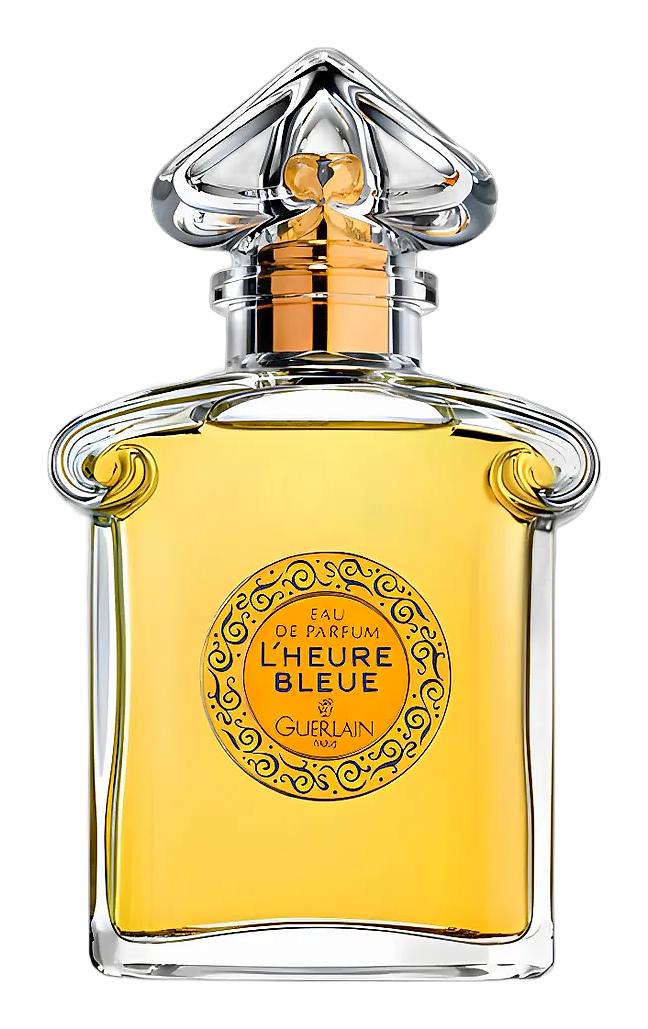
Chypre Mousse stands out among contemporary chypres for its oakmoss character and autumnal-green personality. Community feedback highlights its distinctive character and notable complexity among modern releases, with some comparing it to vintage Guerlains.