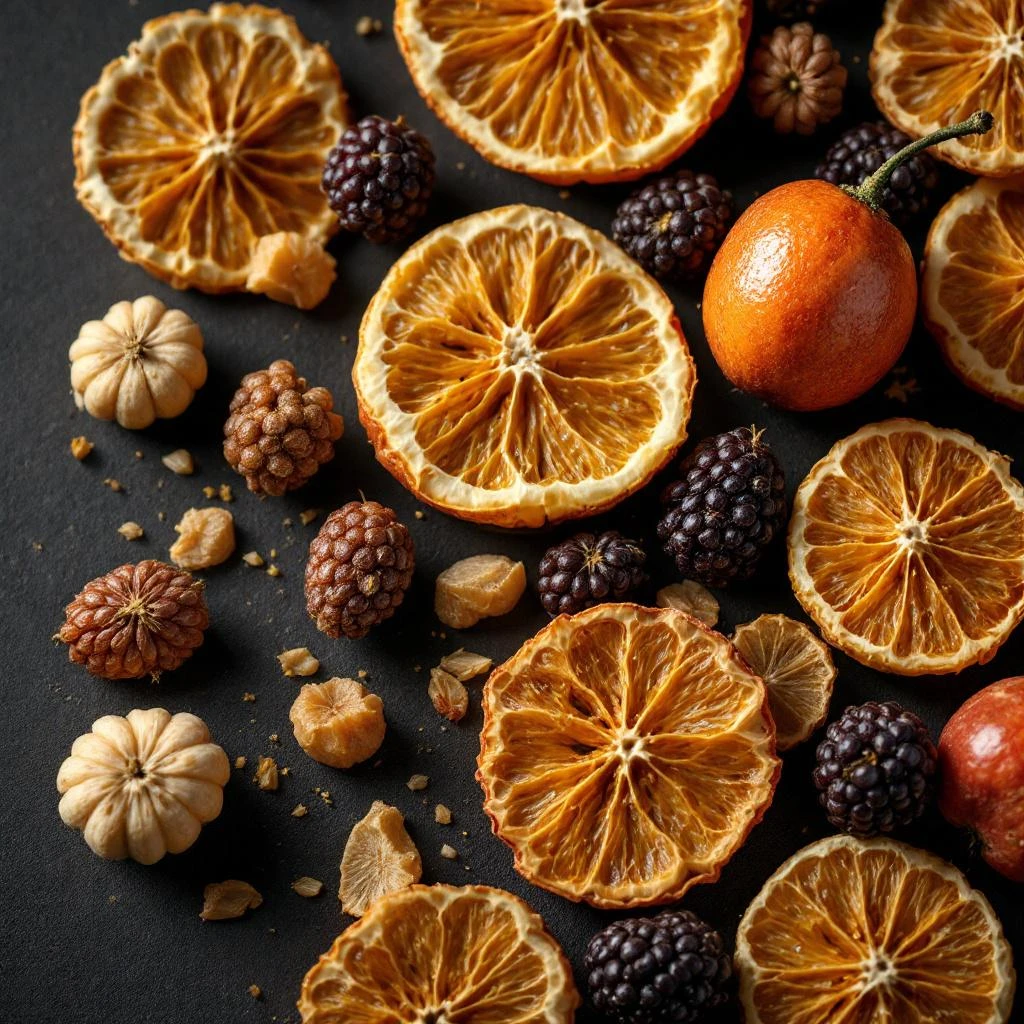
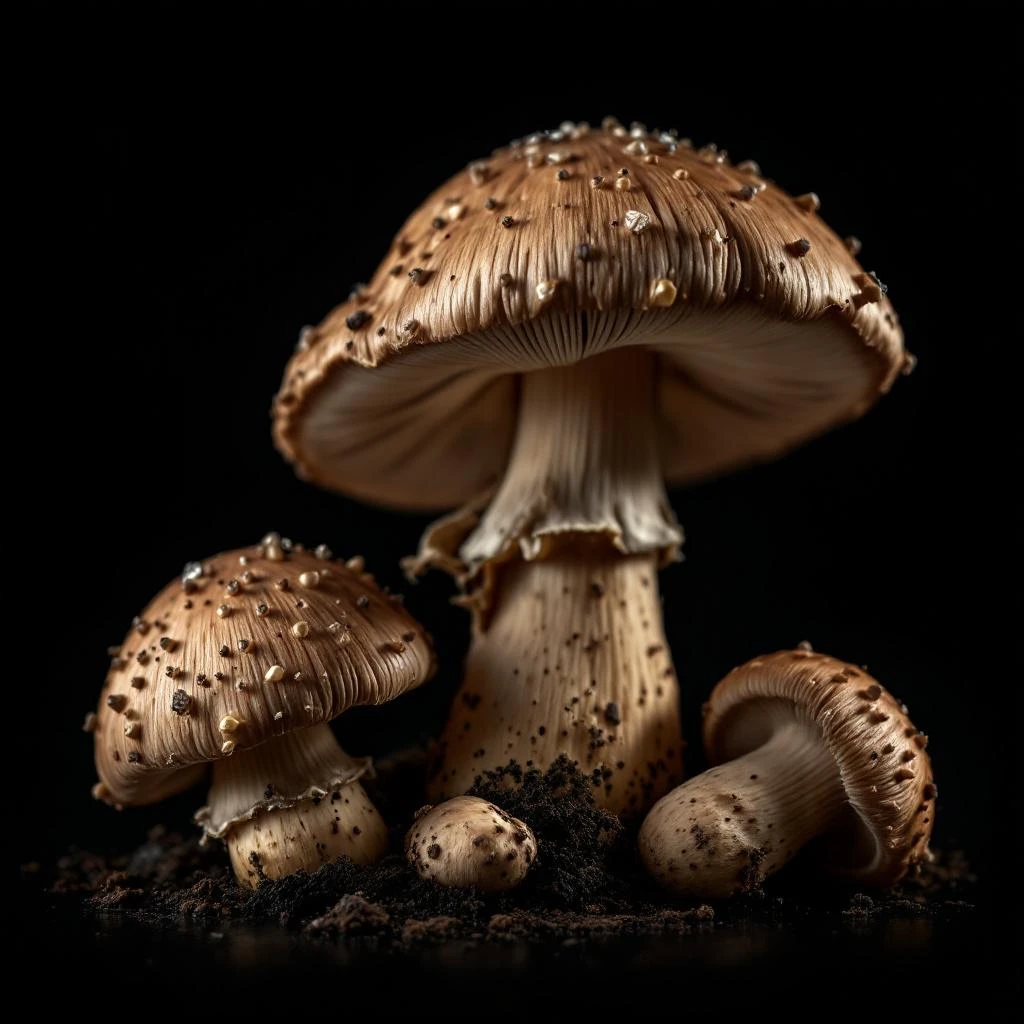
Boletus edulis
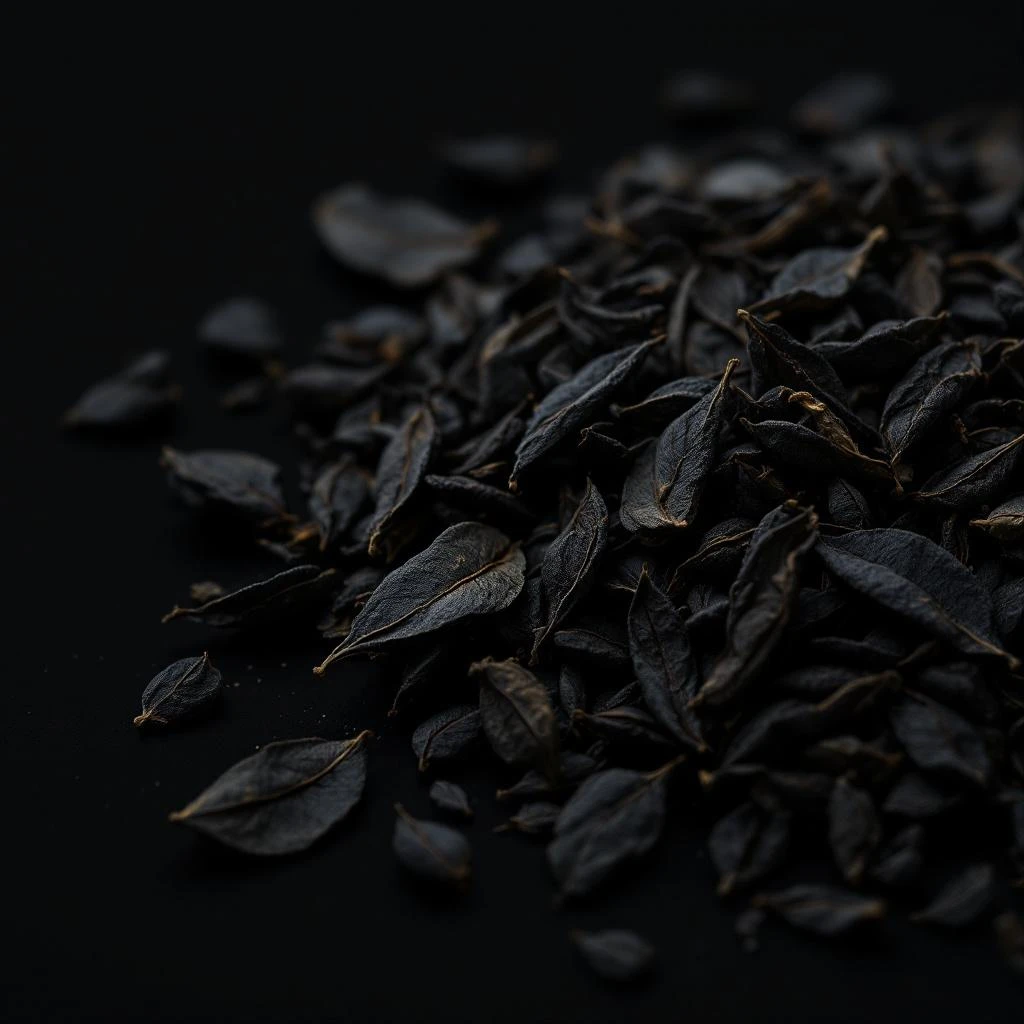
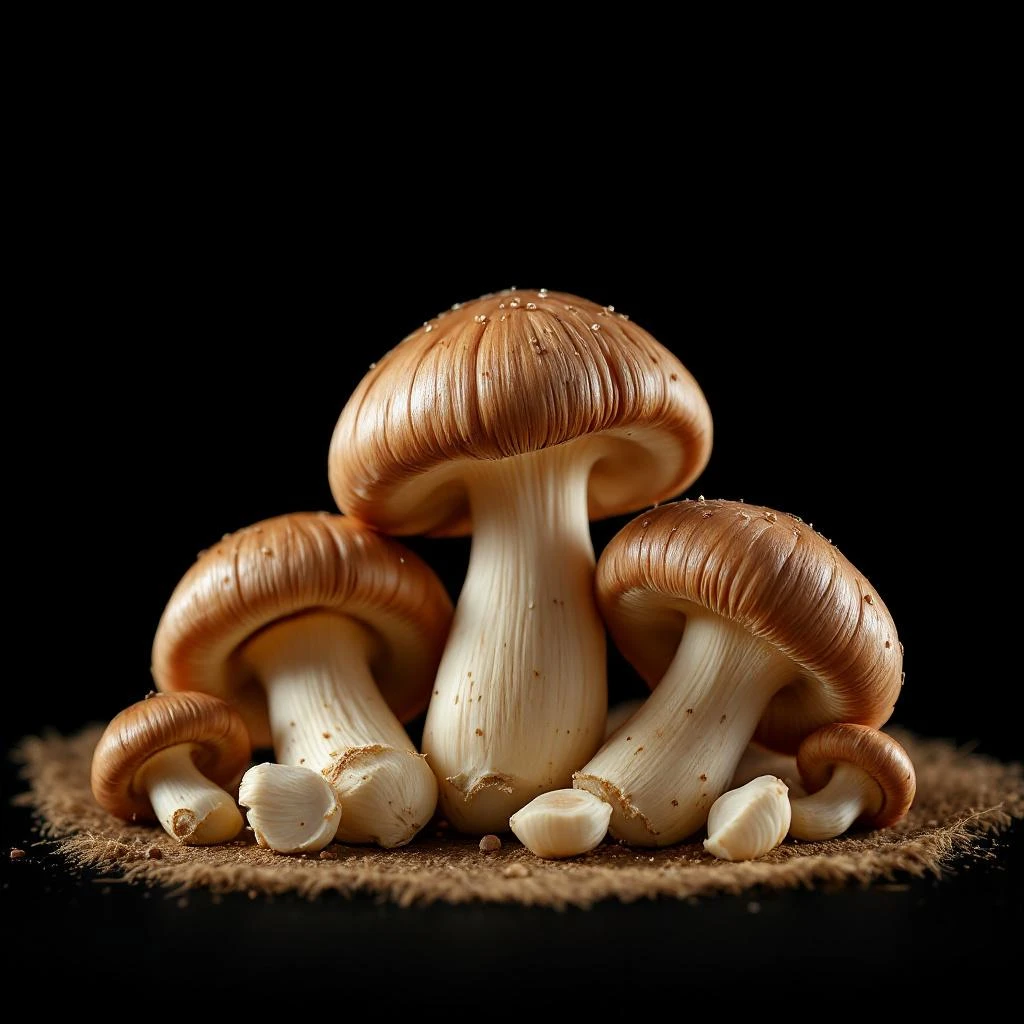
Boletus edulis absolute captures the forest floor’s earthy umami, delivering a nuanced mushroom note that grounds modern fragrances with a subtle nutty depth.
Character
How it smells
Earthy mushroom umami that anchors scent compositions.
A single kilogram of dried porcini yields less than one milliliter of absolute, making it one of the rarest mushroom extracts used in perfumery.



Origin
Italy
Porcini mushrooms have been celebrated in European cuisine for centuries, prized for their rich, nutty flavor and firm texture. Early herbalists recorded the distinctive scent of Boletus edulis in medicinal tinctures, noting its grounding qualities.
In the late 1800s, French perfumers experimented with mushroom extracts, but low yields limited commercial adoption. The advent of modern solvent techniques in the 1970s revived interest, allowing a stable absolute to be produced for experimental fragrance houses.
Today, the note appears in niche perfumes that seek a forest‑inspired character, often paired with cedar, amber, or spice to evoke a woodland atmosphere. Sustainable foraging practices in the Alpine regions of Italy and France support a responsible supply chain, while the rarity of the absolute reinforces its status as a specialty ingredient.
Wears it best
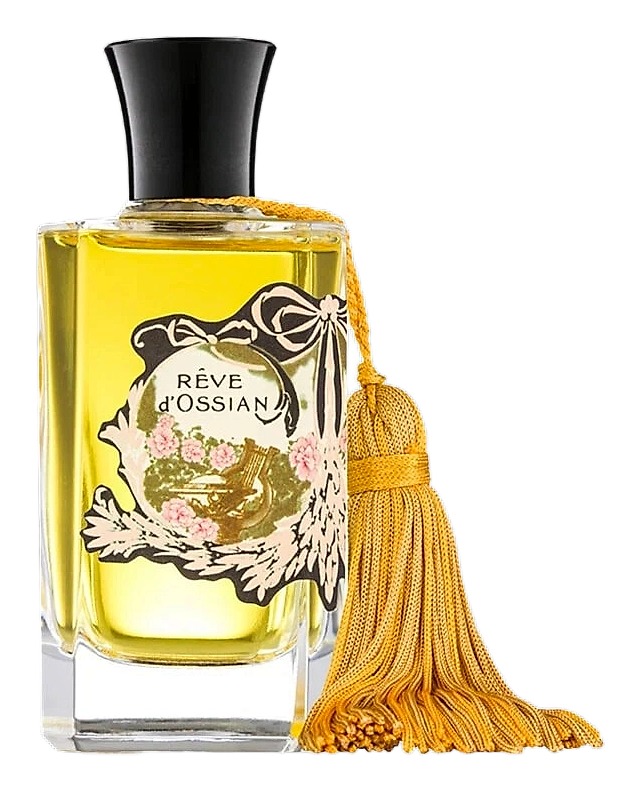
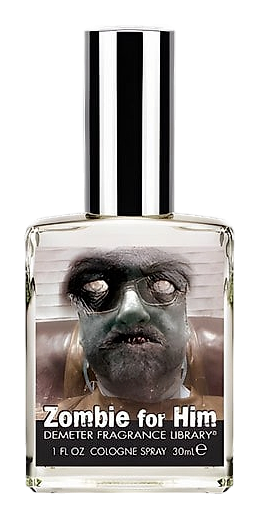
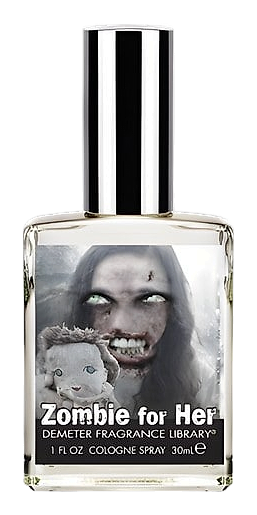
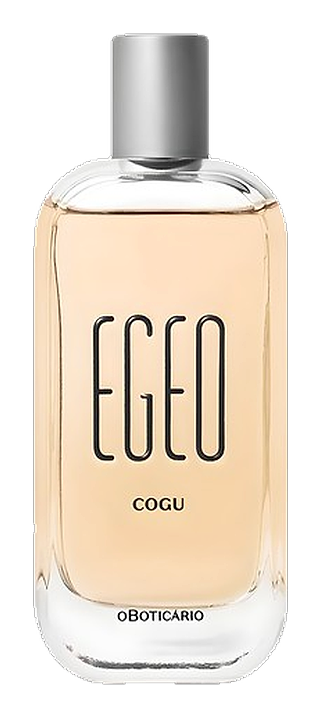
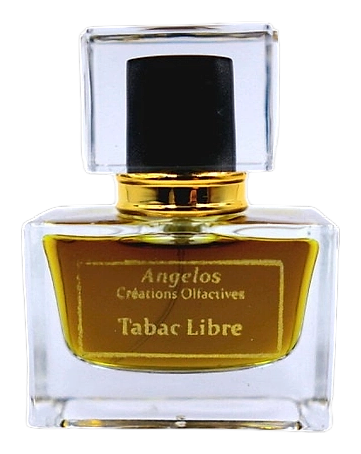
Fragrances featuring Boletus edulis
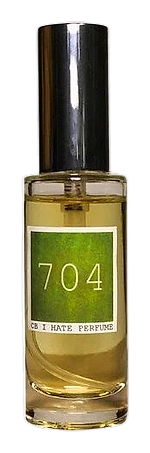
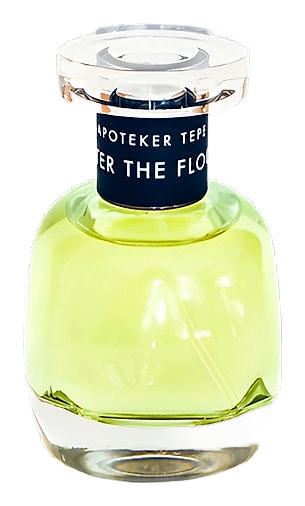
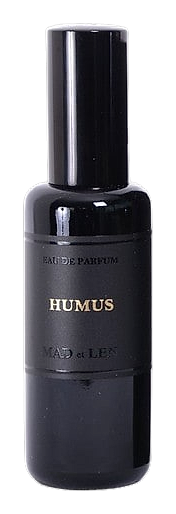
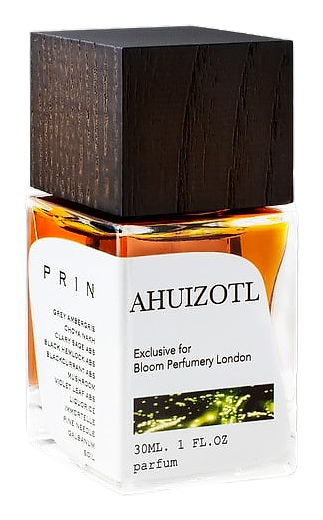
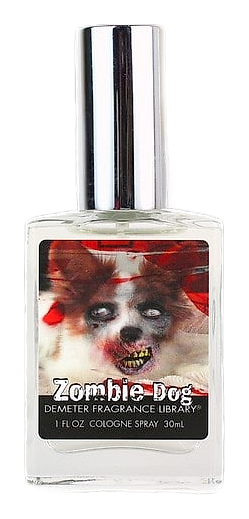
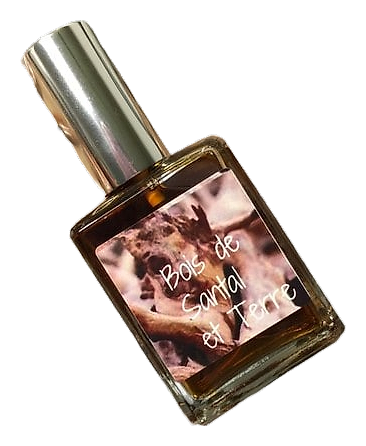
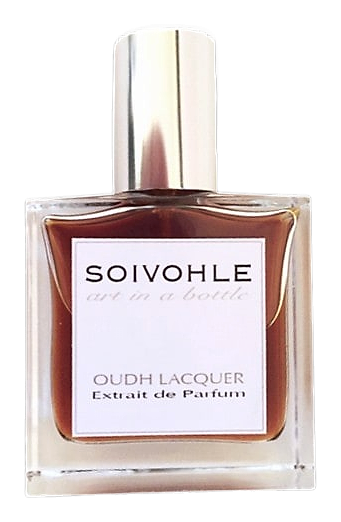
Brands
Brands known for Boletus edulis
Good to know
Questions, answered
The essentials on Boletus edulis in perfumery: how it smells, where it comes from, and how it behaves on skin.
What primary scent character does Boletus edulis absolute add to a fragrance?
It contributes an earthy, umami note reminiscent of forest floor and toasted nuts. In a 2021 GC‑MS study, the absolute showed dominant 1‑octen‑3‑ol and heptanal, which together create that characteristic mushroom aroma. These compounds blend with subtle hints of dried wood and a faint mineral edge, giving the note depth in both masculine and feminine compositions.
Is Boletus edulis absolute considered a natural ingredient?
Yes, it is derived from the dried caps and stems of the porcini mushroom without synthetic alteration. The extraction uses food‑grade solvents, and the final absolute contains only the compounds originally present in the fungus, as confirmed by ISO 17025 analysis in 2020.
How is the absolute obtained from Boletus edulis?
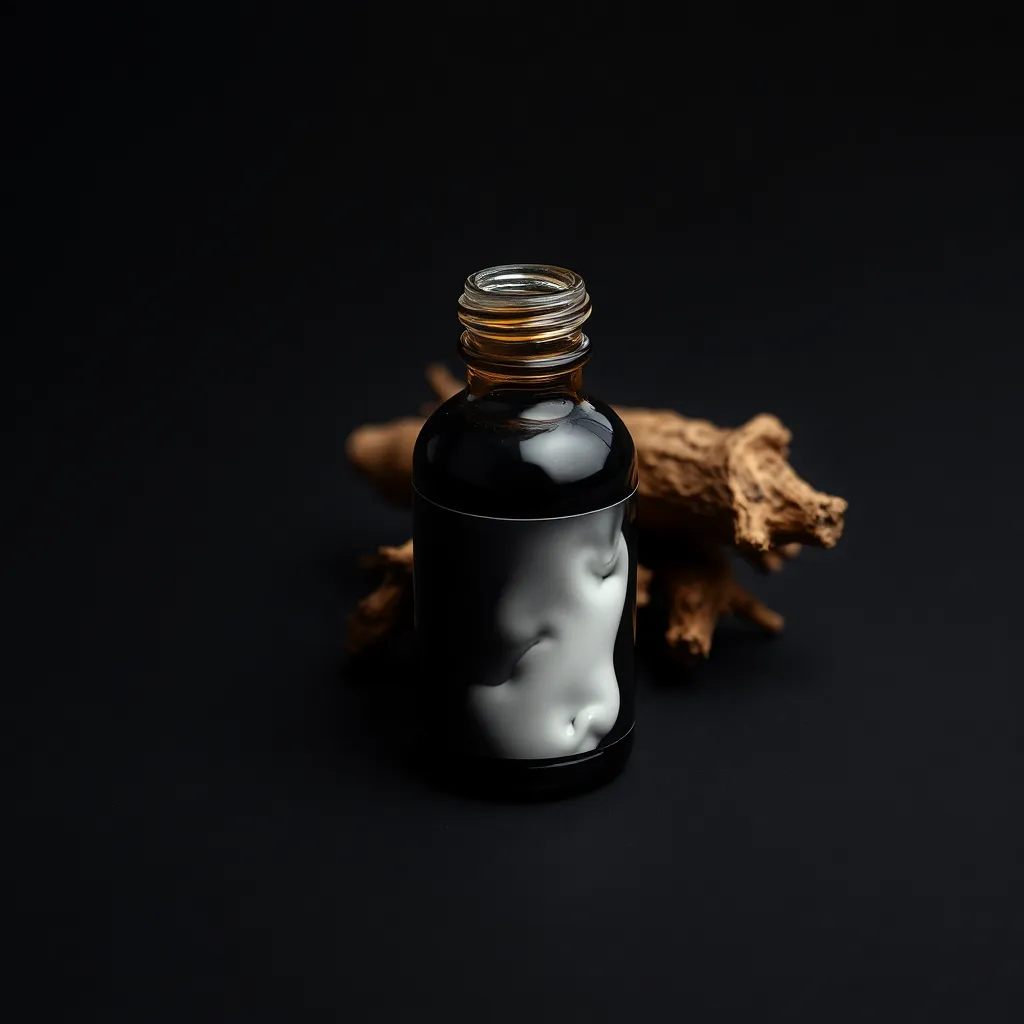
It is obtained through solvent extraction of dried fruiting bodies. The material is macerated in hexane or ethanol, filtered, and the solvent is evaporated under vacuum, leaving a viscous amber liquid that captures the mushroom’s volatile profile. Typical batch yields range between 0.08 % and 0.12 % of the dry weight, reflecting the low concentration of aromatic molecules in the fungus.
What are the key aromatic compounds in Boletus edulis absolute?
The absolute is dominated by 1‑octen‑3‑ol, heptanal, and 3‑methyl‑1‑butanol, which together create its characteristic mushroom aroma. A 2019 chromatographic profile listed 1‑octen‑3‑ol at 45 % of the total volatile fraction, confirming its central role. Heptanal contributes a faint green‑apple nuance, while 3‑methyl‑1‑butanol adds a subtle sweet undertone, enriching the overall scent palette.
Which regions are the primary source of Boletus edulis for perfumery?
Northern Italy supplies the majority of mushroom absolute used in niche fragrances. Harvests from the Alpine valleys of Trentino and Piedmont account for roughly 60 % of global commercial production, according to a 2022 trade report. The region’s cool, moist climate promotes a high concentration of aromatic precursors in the fruiting bodies, enhancing extraction efficiency.
Is the use of Boletus edulis absolute considered sustainable?
Sustainability depends on harvesting practices; wild collection follows strict quotas in most European countries. In 2021, the Italian Ministry of Agriculture reported that regulated foraging limited removal to 15 % of local mushroom populations, helping maintain ecological balance. Certified suppliers also employ re‑planting programs to offset any impact on forest ecosystems.
Can Boletus edulis absolute be blended with other notes?
Yes, it blends well with woody, resinous, and spicy ingredients, adding depth to forest‑inspired compositions. A 2020 formulation trial showed that pairing the absolute with cedarwood oil increased perceived complexity by 22 % in blind panel tests. The combination also softens the mushroom’s earthiness, creating a balanced aromatic profile suitable for both masculine and feminine scents.
What safety considerations apply to Boletus edulis absolute?
The absolute is classified as a skin‑safe natural ingredient when used below 2 % in finished products. Toxicology data from a 2018 EU safety assessment report indicate no sensitization risk at typical fragrance concentrations. However, formulators should perform a patch test for any new batch, as natural variability can affect allergenic potential.