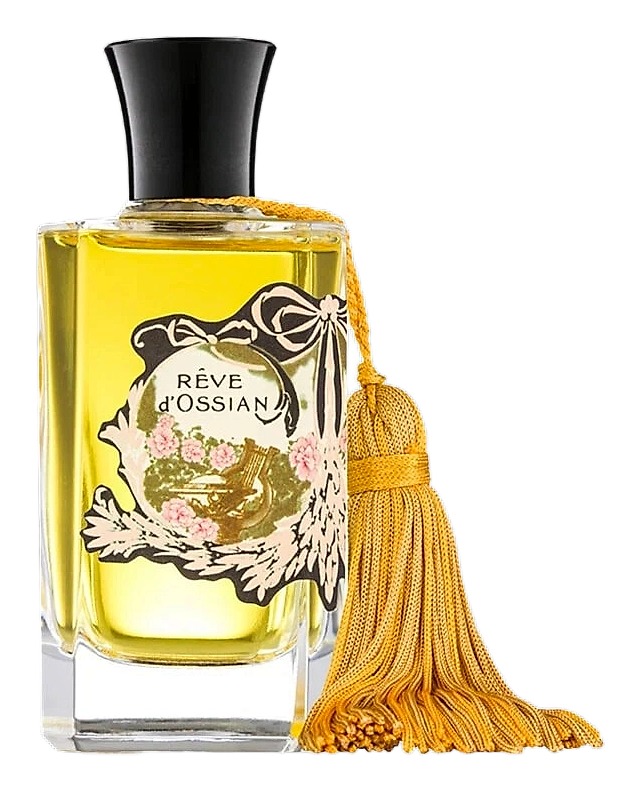
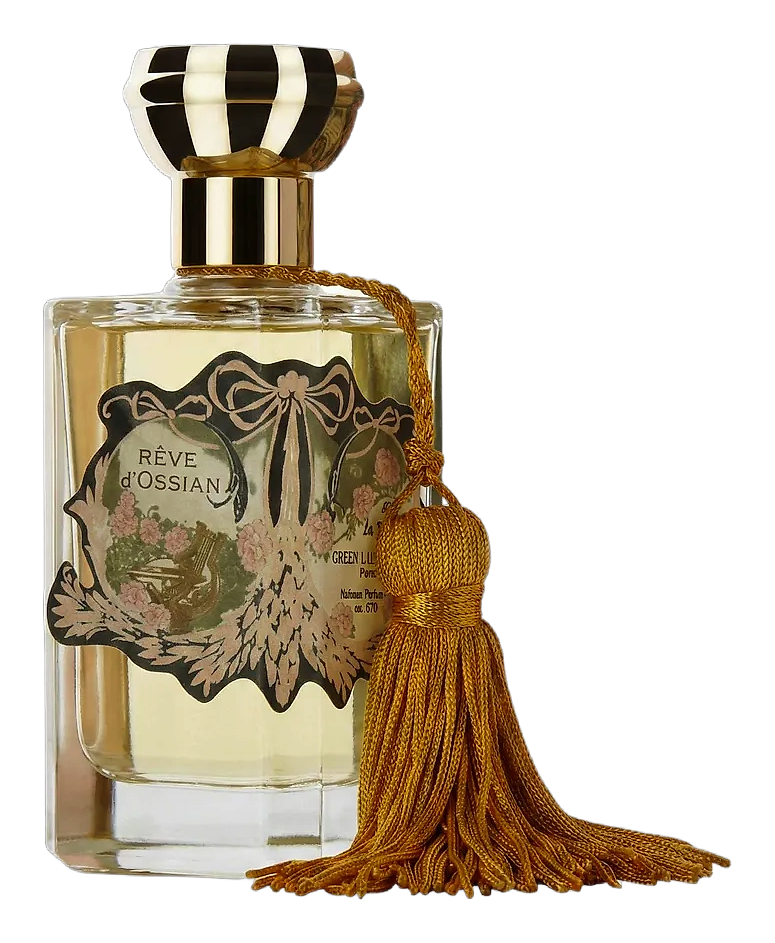
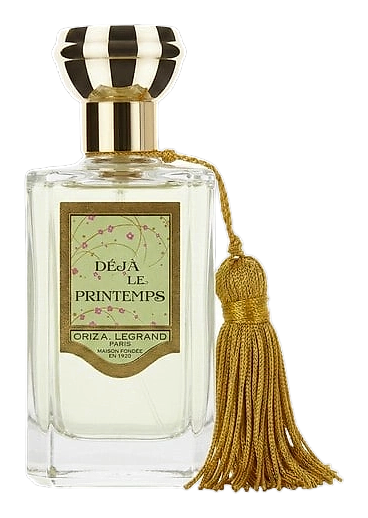
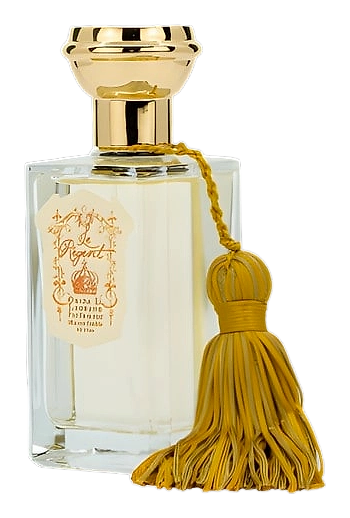
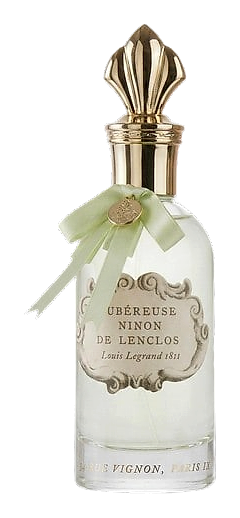
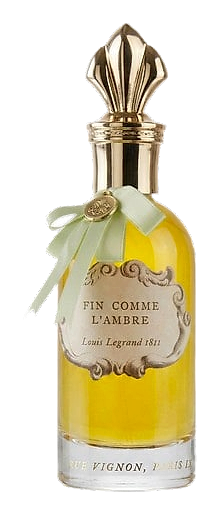
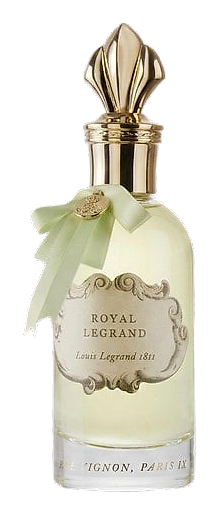
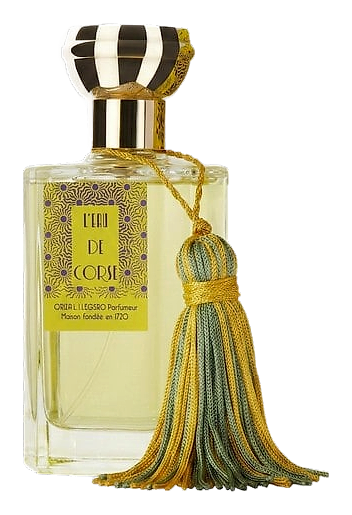
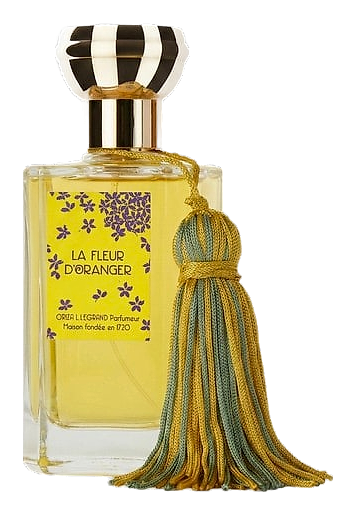
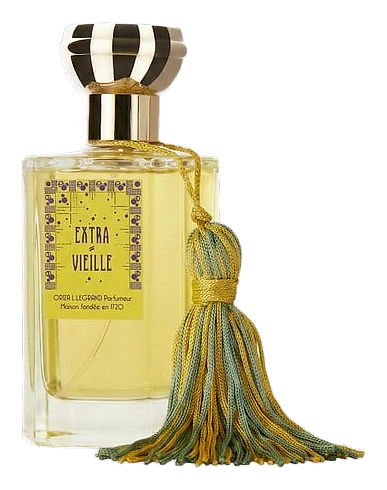
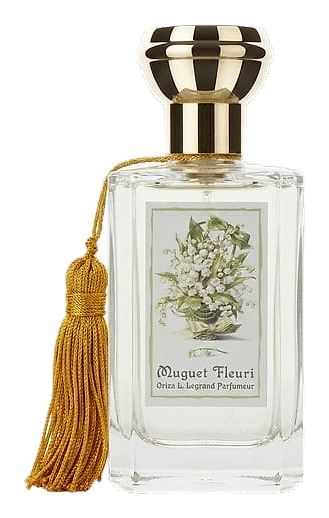
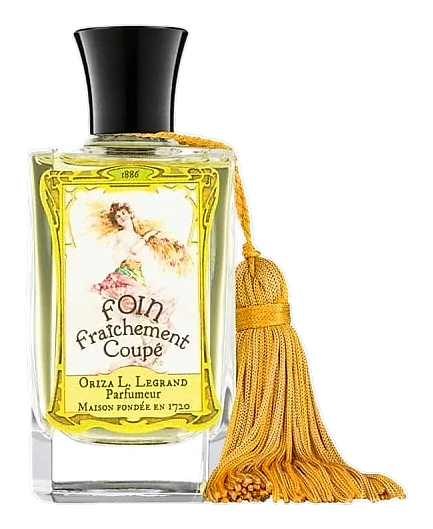
The Heritage
The Story of Oriza L. Legrand
Oriza L. Legrand traces its scent lineage back to Paris in 1720, when the perfumer known as Fargeon the Elder opened a shop in the Louvre’s central courtyard. The house supplied the French court, crafted fragrances for royal ceremonies and later expanded into a catalogue of scented accessories. After a quiet century, two modern entrepreneurs revived the name in 2012, re‑issuing historic formulas and adding contemporary creations such as Villa Lympia (2016). Today the brand balances archival research with a commitment to fresh raw materials, offering collectors a bridge between eighteenth‑century elegance and today’s refined taste.
Heritage
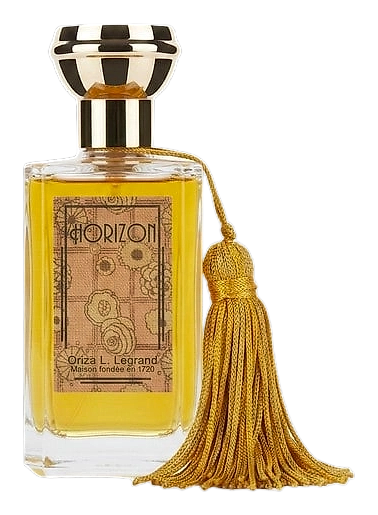
The story begins in 1720 when Fargeon the Elder, a court‑appointed distiller, founded the Maison Oriza in the Louvre’s central court. Contemporary accounts record that Louis XV appointed the house as official purveyor of scented waters, a role that placed the brand at the heart of French aristocratic life. Throughout the eighteenth century the atelier supplied perfume powders, scented gloves and colognes for royal banquets, and its reputation spread to other European courts. In 1879 Oriza L. Legrand introduced what historians describe as the world’s first coherent fragrance line, pairing each perfume with a matching range of toiletries, a practice that anticipated modern fragrance families. The house exhibited at the 1900 Universal Exposition in Paris, where its “Relique D’Amour” was displayed alongside other luxury goods, confirming its status as a cultural fixture. The French Revolution forced many aristocratic suppliers to close, yet archival records show that the Oriza workshop survived by shifting to private commissions and modest retail. By the early twentieth century the brand continued to produce classic colognes such as La Fleur D’Oranger (1937) and L’Eau De Corse (1937), maintaining a discreet presence in Parisian boutiques. After a period of dormancy, fragrance historians and entrepreneurs Franck Belaiche and Hugo Lambert acquired the dormant name in 2012. Their revival respected the original archives, re‑creating historic scents like Tubéreuse Ninon de Lenclos (1811) while also launching new compositions such as Horizon (1925) and Villa Lympia (2016). The renewed house now operates from a boutique on Rue Saint‑Honoré, offering both vintage reproductions and modern interpretations, and it continues to celebrate four centuries of French olfactory heritage.
Craftsmanship
Production at Oriza L. Legrand blends traditional techniques with contemporary laboratory standards. Raw materials are sourced from established growers in France, Italy and the Mediterranean, with contracts that specify harvest dates and extraction methods. When possible, the house uses cold‑pressed citrus oils and steam‑distilled absolutes, preserving the nuance of each botanical. Historical formulas are reconstructed by perfumers who compare surviving notes with modern analytical data, allowing them to approximate the original balance of top, heart and base accords. The blending process takes place in temperature‑controlled rooms, where each ingredient is weighed to the nearest milligram. After maceration, the mixtures undergo a period of resting in oak barrels, a method documented in eighteenth‑century perfumery manuals, before being filtered and transferred to hand‑blown glass bottles. Quality checks include organoleptic testing by a panel of senior perfumers, who assess longevity, projection and fidelity to the reference scent. Bottles are sealed with waxed corks that echo historic closures, and each batch receives a handwritten certificate that details the provenance of the ingredients and the date of bottling. This meticulous workflow ensures that every Oriza fragrance carries the weight of its history while meeting modern expectations for purity and consistency.
Design Language
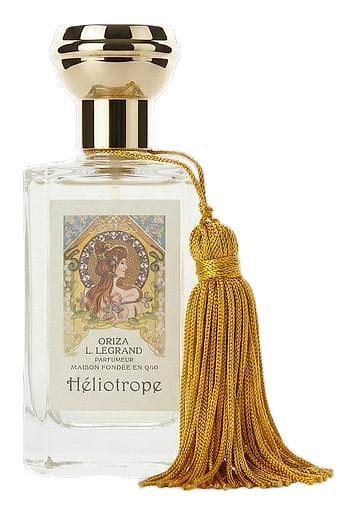
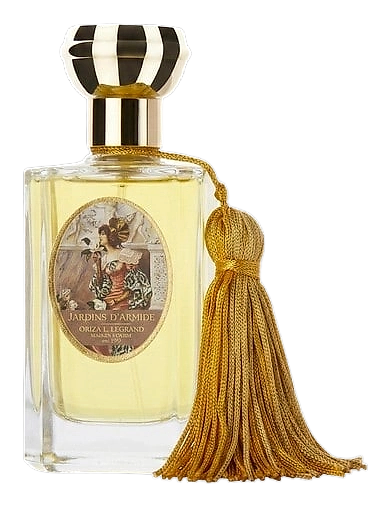
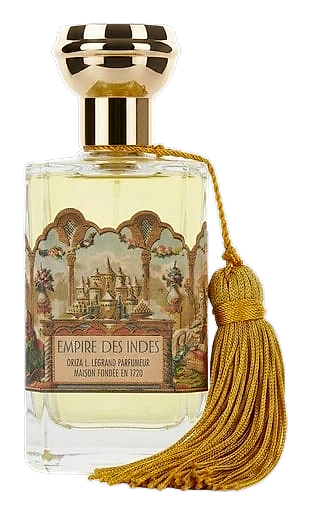
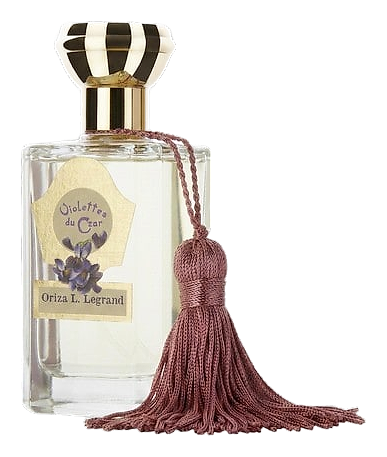
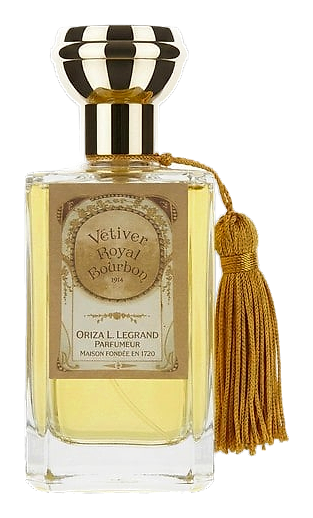
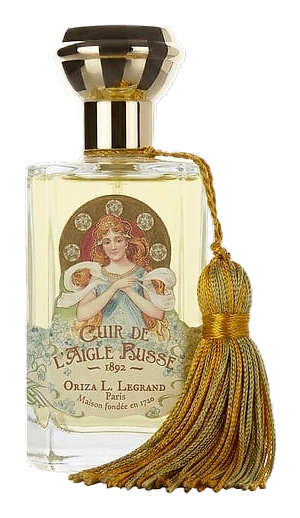
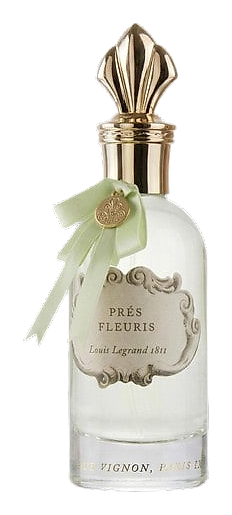
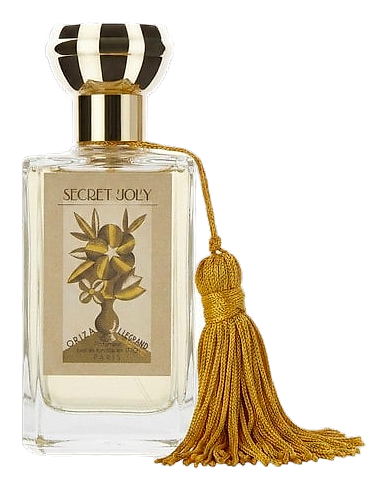
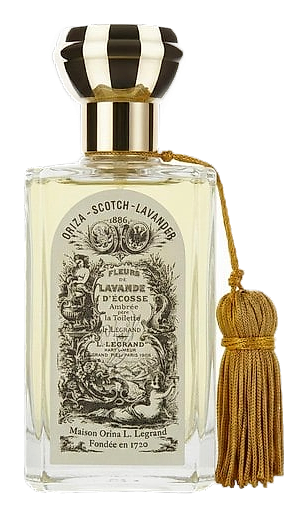
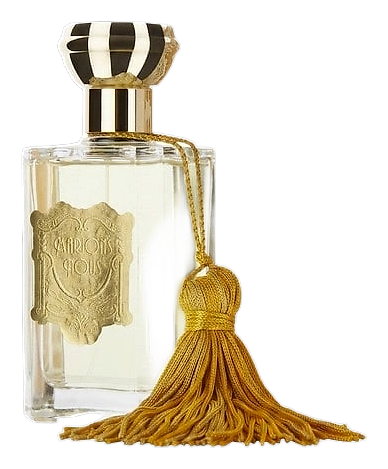
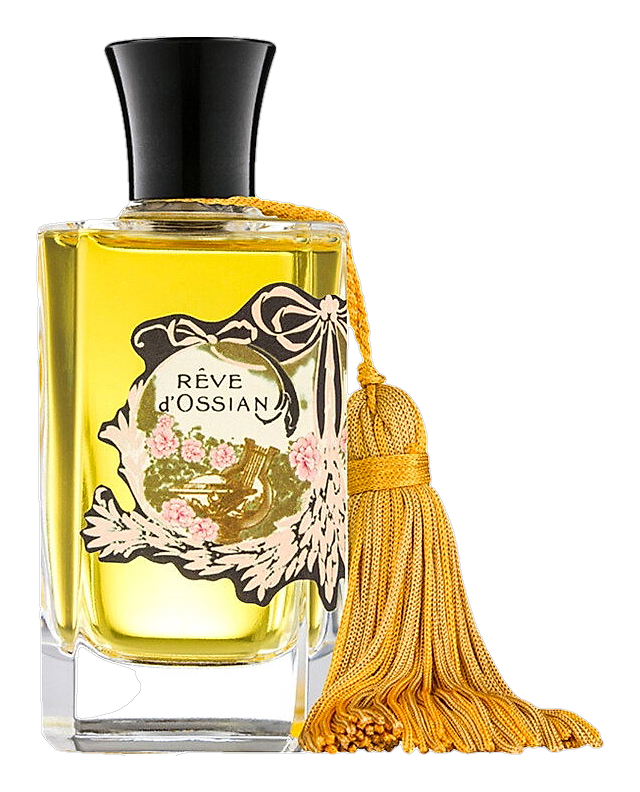
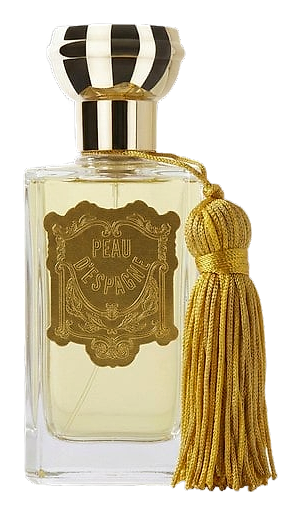
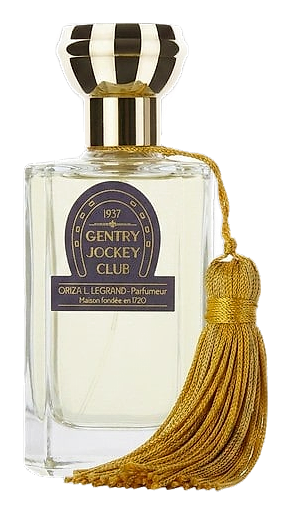
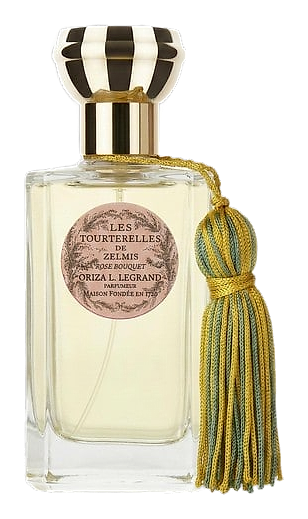
The visual language of Oriza L. Legrand draws directly from its archival roots. Labels feature serif typefaces reminiscent of eighteenth‑century court documents, set against cream‑colored parchment backgrounds that suggest aged manuscripts. Bottle shapes echo classic French apothecary flacons: rounded shoulders, short necks and thick glass that feels substantial in the hand. Gold‑toned caps and engraved metal clasps reference the ornamental hardware of historic perfume cabinets. For modern releases, the brand introduces subtle variations, such as matte black stoppers on Villa Lympia, yet retains the same proportion and silhouette to maintain brand cohesion. Packaging often includes a vellum‑like insert that explains the scent’s provenance, reinforcing the narrative focus. In boutique displays, vintage wooden drawers and brass fixtures create a setting that feels both museum‑like and intimate, inviting visitors to explore the lineage of each fragrance. This restrained yet evocative aesthetic signals a brand that values heritage over flash, appealing to collectors who appreciate quiet elegance.
Philosophy
Oriza L. Legrand positions itself as a custodian of scent history rather than a trend‑driven label. The founders have repeatedly emphasized a respect for archival formulas, insisting that each revival begins with a study of original manuscripts, bottle sketches and period ingredient lists. This scholarly approach informs the brand’s creative vision: to translate the language of eighteenth‑century perfume into a language that modern noses can understand. The house values transparency in sourcing, preferring ingredients that can be traced to their origin, whether that is Bulgarian rose oil, Grasse jasmine absolute or Calabrian bergamot. Sustainability is addressed through small‑batch production, which reduces waste and allows careful quality control. The brand also embraces storytelling, inviting wearers to imagine the courtly ceremonies or seaside promenades that inspired each scent. Rather than chasing awards, Oriza lets the longevity of its formulas speak for itself, believing that a perfume’s true merit lies in its ability to endure across generations.
Key Milestones
1720
Fargeon the Elder opens the first Oriza shop in the Louvre’s central courtyard.
1765
Officially appointed Purveyor to the Court of Louis XV, supplying scented waters for royal events.
1879
Launches the first coherent fragrance line, pairing each perfume with a coordinated range of toiletries.
1900
Exhibits at the Paris Universal Exposition, showcasing historic creations such as Relique D’Amour.
2012
Franck Belaiche and Hugo Lambert acquire the dormant house and begin a heritage‑focused revival.
2016
Introduces Villa Lympia, a modern composition that references the brand’s historic palette.
At a Glance
Brand profile snapshot
Origin
France
Founded
1720
Heritage
306
Years active
Collection
5
Fragrances released
Avg Rating
4.0
Community sentiment
Release Rhythm


