
The Story
Why it exists.
The beginning
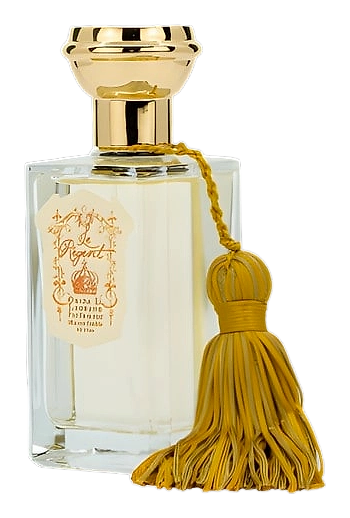
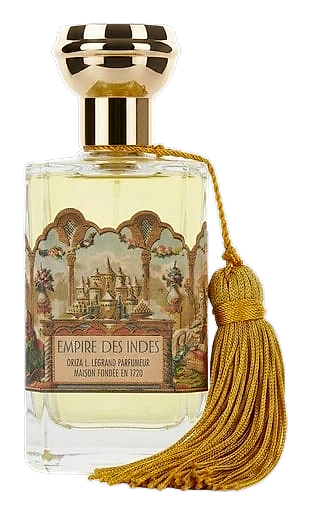
The name says it all. Empire des Indes, Empire of the Indies, arrived in 1886 as a tribute to the Empress of India, a loyal client of the house then run from the Excelsior Regina Palace in Nice. Oriza L. Legrand was no stranger to royal patronage. But this fragrance was different. Not a generic oriental exercise, but something specific, a memory of maharajas, of courtly opulence, of spice and incense rendered into liquid form. The perfumer approached the commission with the full weight of the house's expertise, and what emerged has outlasted empires and trend cycles alike. The composition pulses with a warm, resinous heartbeat, the kind of fragrance that feels like a living document rather than a static formula.
What makes Empire des Indes unusual isn't a single dominant note, it's the way three materials that rarely share space manage to coexist. Tolu balsam brings sticky warmth. Heliotrope adds an almost edible almond softness. Nag champa provides the incense backbone that ties everything together, giving the composition its dusty, meditative character. The interplay between these three creates a tension that keeps the fragrance alive across its wear.
The evolution
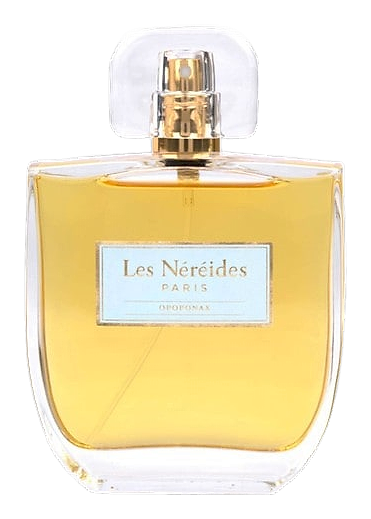
The opening is clean heat. Ginger's spice arrives first, bright, almost sharp, and the white musk softens it almost immediately. Not a loud opening. A warm one. Within twenty minutes, the heart takes over. Heliotrope's cream rises through tolu balsam's sticky warmth, and the nag champa begins its slow work, not aggressive, but present. This is the phase that earns the name. You understand why the house called it Empire des Indes. The incense isn't decorative. It's atmospheric. By the third hour, the base does what base notes do, it becomes the point of view. Benzoin and opoponax create a sweet, resinous warmth that sits close to skin. Tonka bean adds the powdery finish that rounds everything off, making the final hours feel like something being kept rather than something being worn.
Cultural impact
The 2021 reissue of Empire des Indes brought an older formula back into circulation at a time when interest in historical perfumery had found a new audience. Unlike fragrances that reference the past vaguely, this one has a documented origin story, tied to a named client, a specific era, a particular cultural moment. That specificity gives it a different kind of credibility. For those who appreciate the archival approach to fragrance composition, it represents a particular kind of appeal: a working perfume that hasn't been simplified or modernized into oblivion.