
The Story
Why it exists.
The beginning
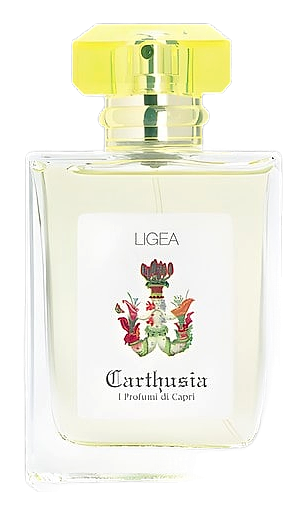
Ligea takes her name from one of the Sirens who tried, and failed, to charm Ulysses with her song. In 2000, perfumer Laura Bosetti Tonatto translated that myth into scent: warm patchouli as the Siren's embrace, fresh mandarin as the irresistible call. The combination is decisive and seductive, a fragrance that doesn't announce itself so much as it pulls you in.
What makes this composition work is the deliberate contradiction at its center. Citrus opens sharp and bright, Calabrian bergamot, Sicilian lemon, mandarin, then the warmth arrives. The patchouli arrives as a bridge between opening and base, tempering the citrus with something soft and powdery that lingers throughout the drydown. The base builds from that foundation: styrax's balsamic warmth, Madagascar vanilla's cream, tobacco flower adding a quiet edge that grounds everything.
The evolution
The opening arrives fast, bergamot and mandarin with an herbal lift from lavender. Bright, almost sharp. Within minutes the cloves and geranium emerge, softening the citrus without replacing it. The patchouli is the tell. That's the powdery warmth that grounds everything, turning bright into warm, sharp into soft. The drydown belongs to vanilla and styrax, close, warm, skin-adjacent. Styrax's balsamic quality gives it depth without heaviness. Tobacco flower lingers longest, a quiet thread that stays present into the night. The sillage remains intimate, never announcing itself but leaving a subtle presence that lingers close to the skin.
Cultural impact
Carthusia wears quiet well. Ligea fits that pattern: warm and powdery enough to be remembered, fresh enough to wear daily. The mandarin-patchouli combination creates something that feels distinctive within its category. There's an understated quality to how it develops on skin, neither demanding attention nor disappearing entirely. It finds its audience through genuine appreciation rather than visibility. For those who encounter it, the combination tends to stick in memory precisely because it doesn't follow expected trajectories.