The Heritage
The Story of Carthusia
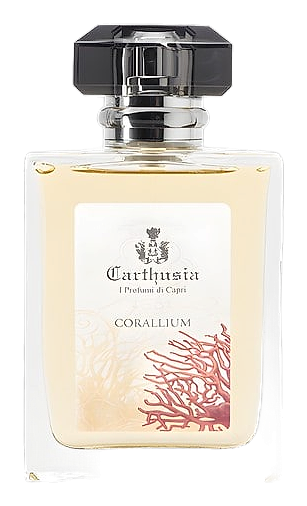
Carthusia is a perfume house rooted on the island of Capri, Italy. Since 1948 the brand has turned the island’s fragrant landscape into a line of niche scents that balance historic formulas with contemporary taste. A tiny laboratory sits a few steps from the Gardens of Augustus, where each bottle is blended by hand. The house is known for drawing on local botanicals – citrus, orange blossom, herbs and sea‑sprayed herbs – and for keeping production intimate enough to oversee every nuance of the final fragrance.
Heritage
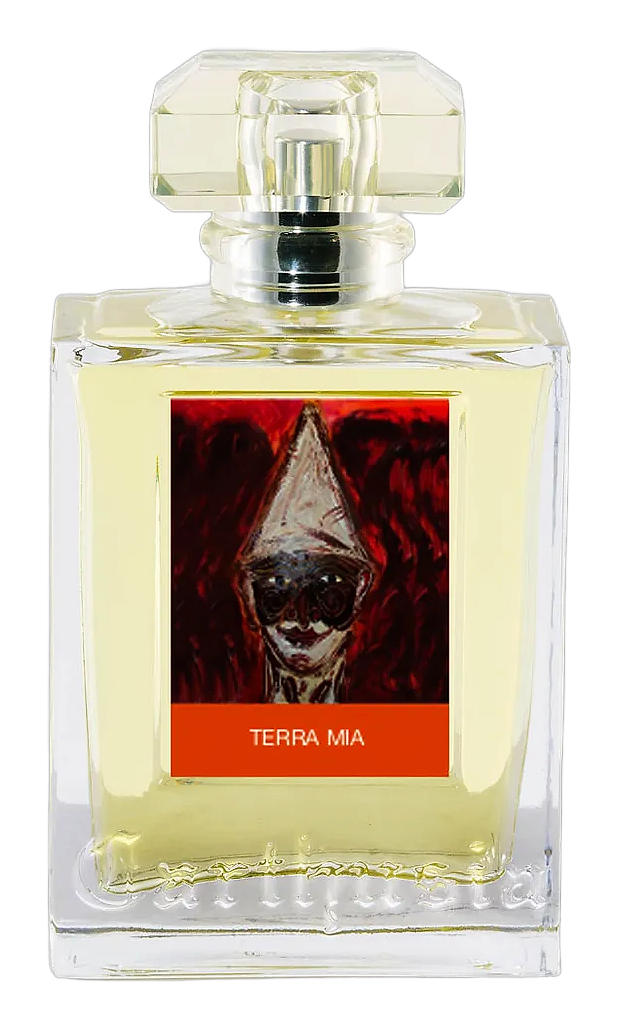
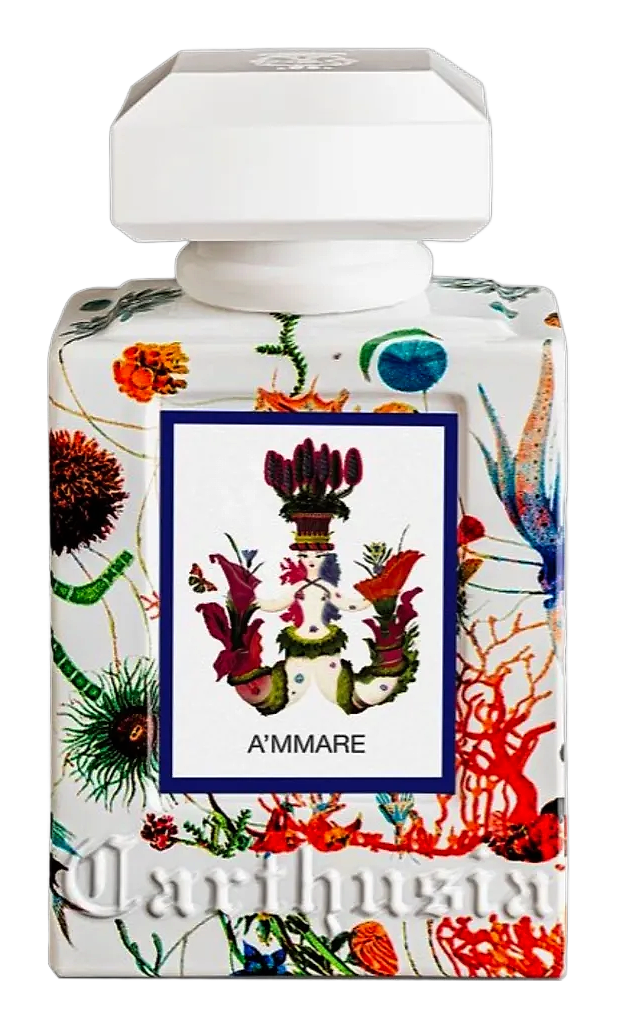
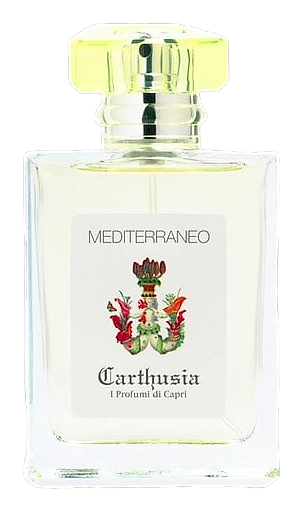
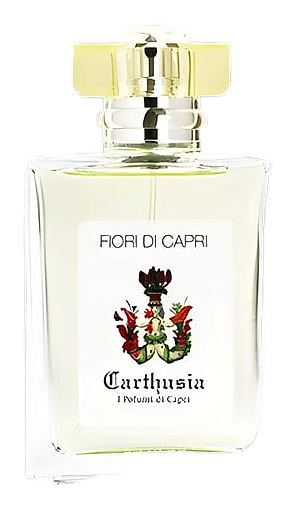
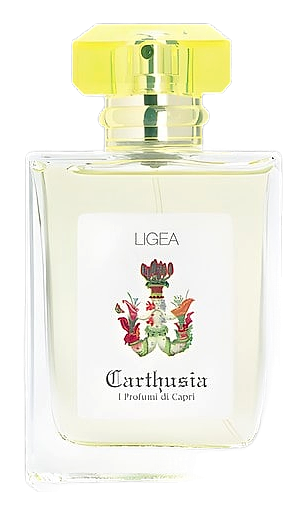
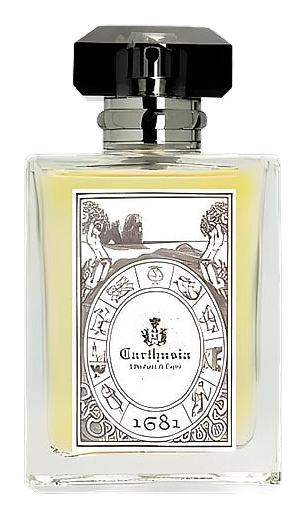
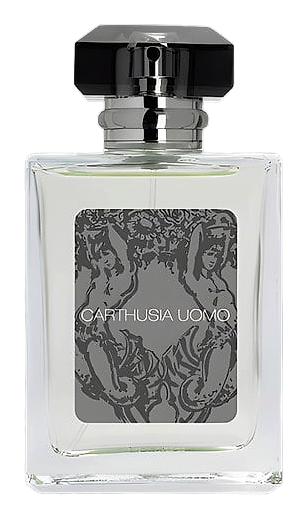
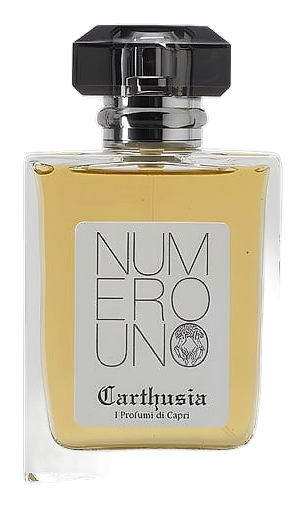
The story of Carthusia begins in 1948 when the prior of the Certosa di San Giacomo, a Carthusian monastery perched on Capri’s cliffs, uncovered a collection of scented waters that monks had guarded for centuries. With the Pope’s permission the prior handed the formulas to a local chemist, who refined them into the first commercial perfume, Fiori di Capri, that same year. The brand took its name from the Carthusian order, linking the product to its monastic heritage. Over the following decades Carthusia expanded its catalogue while staying on the island. In 1990 the house launched Mediterraneo Parfum, a tribute to the sea and sun that defined its early identity. The new millennium brought a series of landmark releases: Ligea (2000), a tribute to the mythic siren; Carthusia Uomo (2004), the first masculine offering; Numero Uno (2007), a modern reinterpretation of classic citrus accords; 1681 (2010), named for the year the monastery was founded; Terra Mia (2017), a scent that captures the island’s volcanic soil; and A'mmare (2021), a recent ode to the Mediterranean tide. Throughout its history the brand has kept a single, compact laboratory near the Gardens of Augustus, a space described by the house as the smallest perfume lab in the world. This continuity of place and scale has allowed Carthusia to preserve the original spirit of the 1948 formulas while introducing new olfactory chapters each decade.
Craftsmanship
Every Carthusia perfume is assembled in the modest laboratory that sits beside the Gardens of Augustus. The space is equipped for hand‑blending, allowing a master perfumer to adjust each accord in real time. Raw materials arrive from local farms – lemons from the Sorrento peninsula, orange blossoms cultivated on the island’s terraces, and aromatic herbs harvested at peak bloom. For ingredients that cannot be sourced on Capri, the house selects suppliers that meet strict quality standards and provide traceable, sustainably harvested raw material. Extraction methods combine traditional steam distillation for citrus oils with modern solvent‑free techniques for delicate floral absolutes, preserving the integrity of each note. Once the formula is finalized, the blend is poured into glass vessels and left to mature for several weeks, a period that allows the components to integrate fully. Quality control includes sensory evaluation by a panel of experienced noses, as well as analytical testing for concentration and stability. The final product is filtered, decanted into the brand’s signature bottle, and sealed by hand. Throughout the process, the laboratory’s limited size ensures that each batch receives personal attention, a practice the house credits for maintaining the nuanced character of its scents.
Design Language
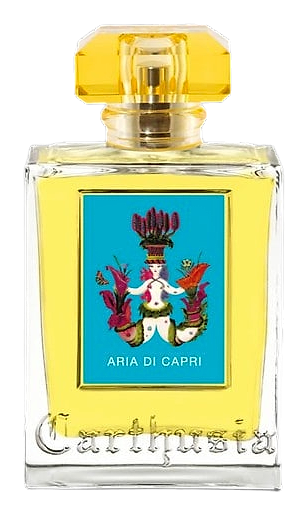
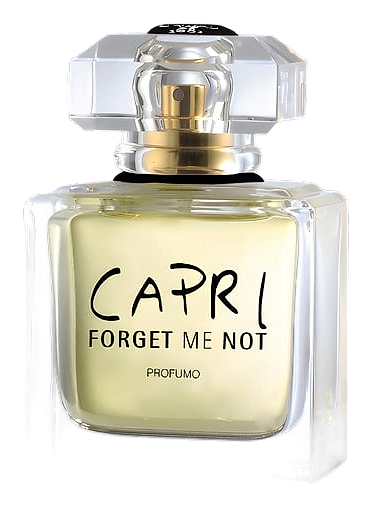
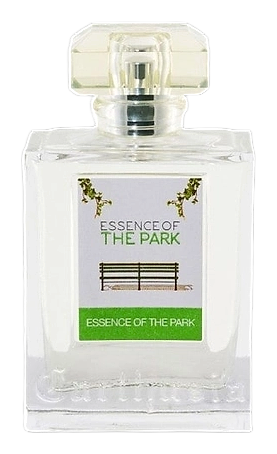
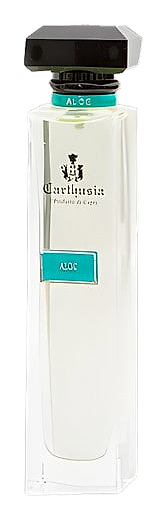
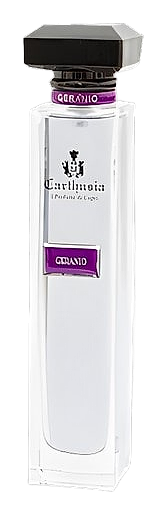
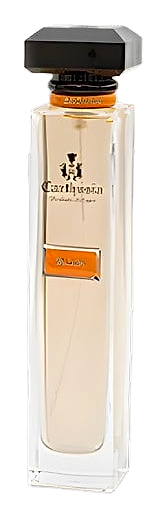
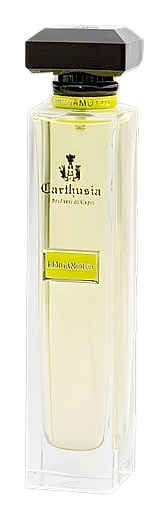
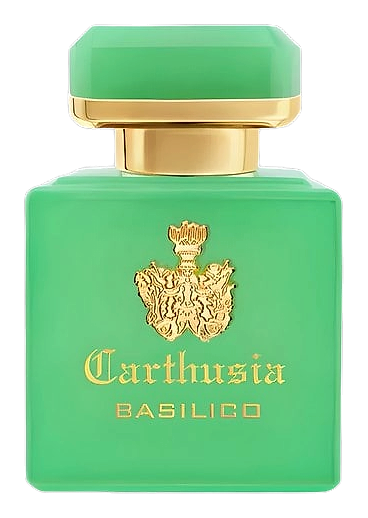
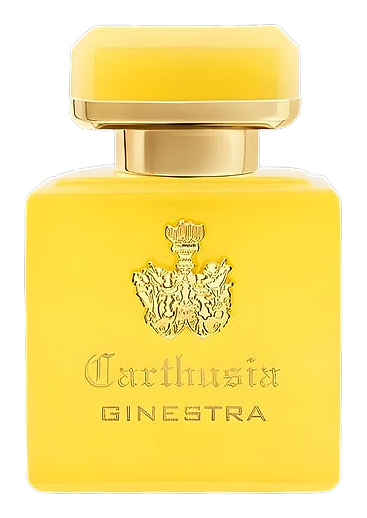
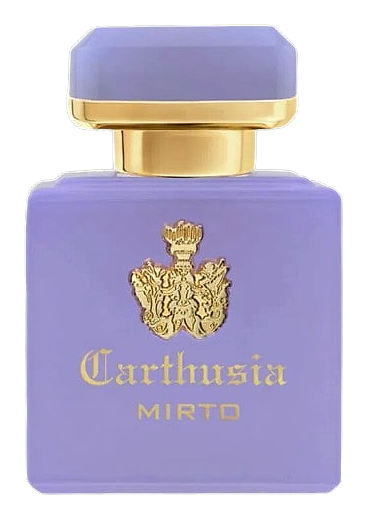
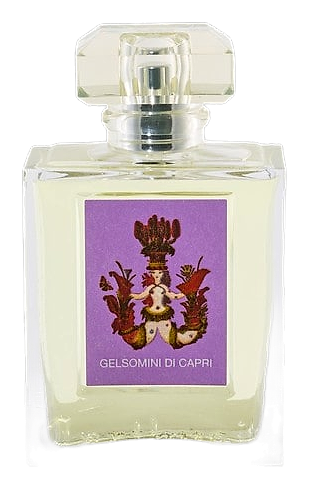
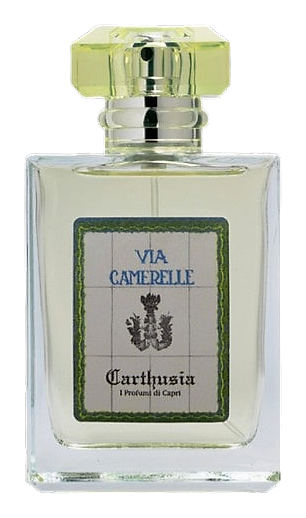
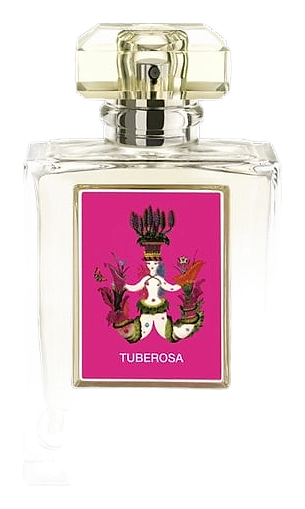
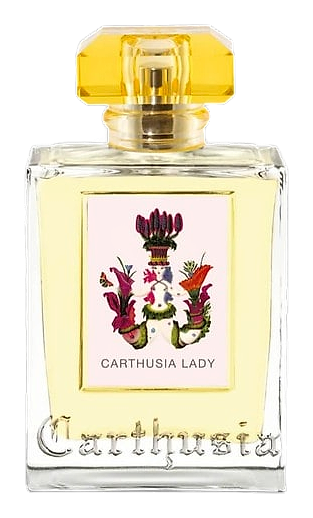
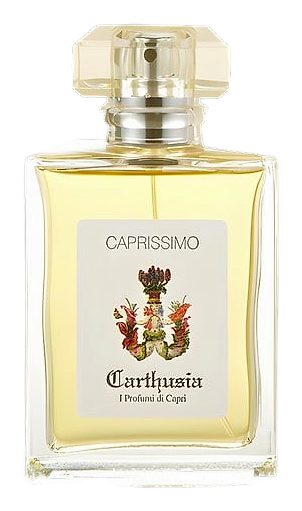
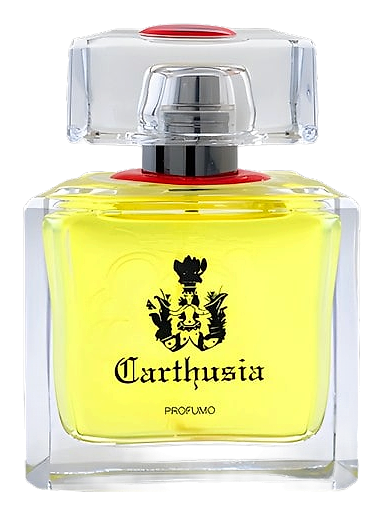
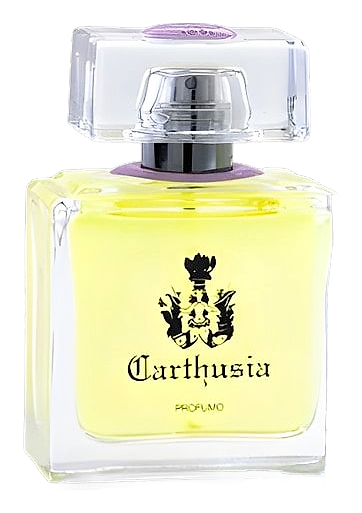
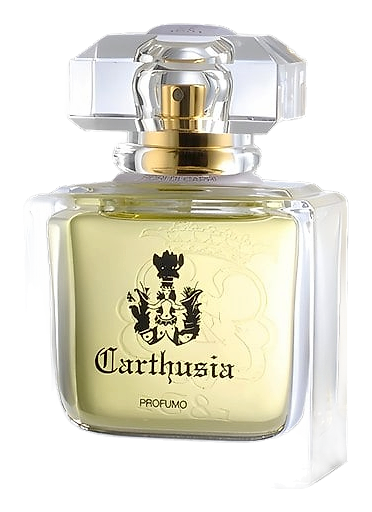
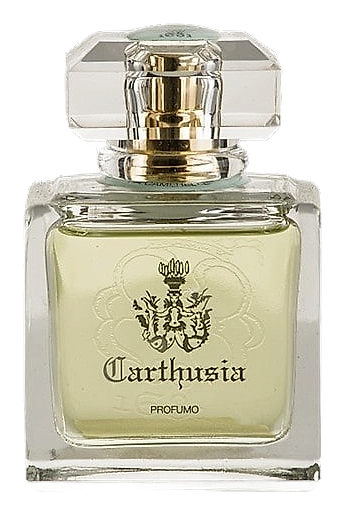
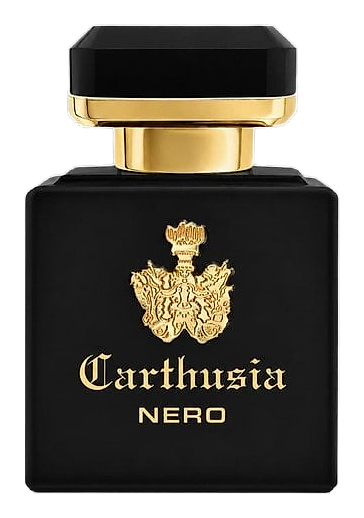
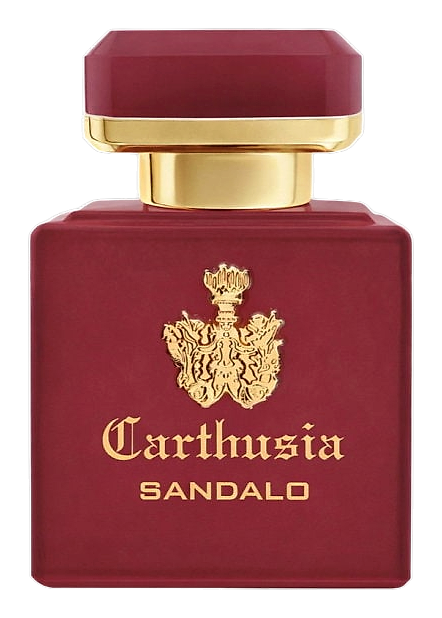
Carthusia’s visual language mirrors the simplicity of its island home. Bottles are clear glass with clean lines, allowing the perfume’s color to become part of the design. Caps are often brushed metal or matte stone, evoking the rugged cliffs of Capri. Labels feature a minimalist gold monogram and the brand name in a classic serif typeface, set against a white background that suggests the island’s bright sky. The packaging palette draws from the Mediterranean palette – soft blues, warm terracotta, and citrus yellows – each hue referencing a specific fragrance’s inspiration. Promotional imagery frequently showcases Capri’s iconic landmarks – the Gardens of Augustus, the Faraglioni rocks, and lemon groves – reinforcing the connection between scent and place. The overall aesthetic is understated yet refined, positioning the brand as an artisanal creator rather than a mass‑market label.
Philosophy
Carthusia’s creative vision rests on a dialogue between Capri’s natural world and the legacy of the Carthusian monks. The house treats scent as a narrative, each fragrance meant to evoke a specific place or moment on the island – a sunrise over the Faraglioni, the scent of orange blossoms after rain, the mineral edge of sea spray. Authenticity guides every decision; ingredients are chosen for their provenance and their ability to tell a story rooted in the island’s terroir. While the brand respects the historic formulas it inherited, it also welcomes contemporary techniques that enhance stability and longevity, ensuring that the scent remains true to its inspiration from the moment it leaves the lab. Sustainability is woven into the philosophy: Carthusia works with local growers who practice organic cultivation, and the small‑batch approach reduces waste. The result is a collection that feels both timeless and immediate, inviting the wearer to experience Capri through scent rather than through marketing slogans.
Key Milestones
1948
Prior of the Certosa di San Giacomo discovers historic perfume formulas and, with papal permission, collaborates with a chemist to launch Fiori di Capri.
1990
Release of Mediterraneo Parfum, a scent that celebrates the sea and sun of Capri.
2004
Introduction of Carthusia Uomo, the house’s first fragrance designed for men.
2010
Launch of 1681, named after the founding year of the Carthusian monastery, marking a milestone in the brand’s heritage line.
2017
Terra Mia debuts, capturing the volcanic soil and native flora of the island.
2021
A'mmare arrives, a contemporary ode to the Mediterranean tide and Capri’s coastal breezes.
At a Glance
Brand profile snapshot
Origin
Italy
Founded
1948
Heritage
78
Years active
Collection
1
Fragrances released
Avg Rating
4.0
Community sentiment
Release Rhythm


