The Story
Why it exists.
The beginning
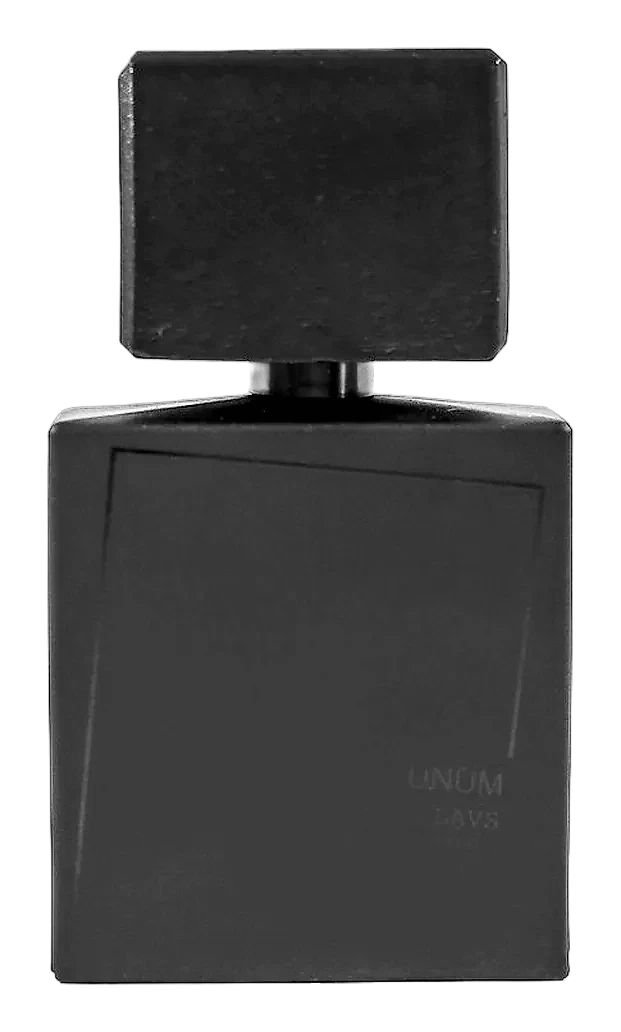
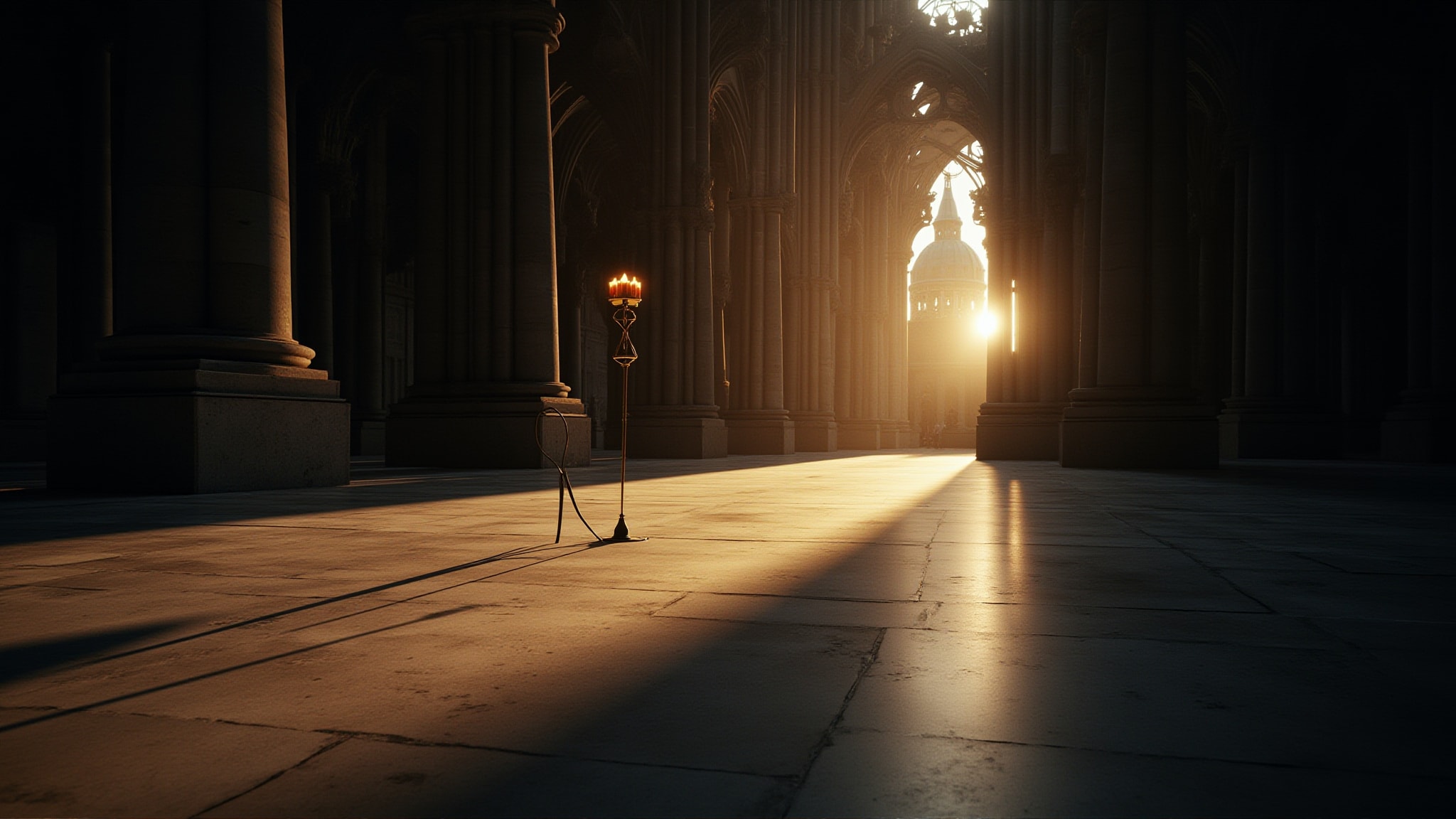
The name is the architecture. In 1144, the first stone of the Basilica of San Denis was laid just outside Paris, marking the moment Gothic began. Filippo Sorcinelli built Opus 1144 as an olfactory monument to that origin: the collision of cold stone and human devotion. Released in 2015 as part of the UNUM collection, the fragrance translates centuries of ecclesiastical art into something you can wear. The concept isn't metaphor, it's direct. This is what Gothic smells like.
What makes Opus 1144 structurally unusual is its ambergris sourcing. The brand describes this material as arriving from the Indian Ocean, with a grey color they explicitly connect to the leaden sky of Normandy, the very region where Gothic architecture first took hold. That geographical link between ingredient and inspiration isn't decorative. It's structural. The leather, vanilla, and sandalwood in the base act as what the brand calls a generator of spiritual harmony, while benzoin from Sumatra functions as an inebriating sweet balsam. The iris in the heart carries the powdery weight of old stone walls, and cashmere wood softens everything into something wearable rather than architectural.
The evolution
It opens sharp. Elemi resin hits first, slightly medicinal, with a citrus crack that feels like cold air meeting warm stone. The mandarin and lemon don't linger; they burn off within thirty minutes, leaving jasmine as a brief bridge. Then the iris arrives, and the temperature shifts. What was cold becomes powder-warm. The orchid adds something unexpected, a fleshy, tropical softness that seems borrowed from another fragrance entirely. By hour two, the benzoin thickens everything into a balsamic hum. The drydown is where this lives. Vanilla and sandalwood create a creaminess that could read as dessert, but the ambergris and leather pull it back toward something darker, earthier, more honest. Eight to ten hours on skin. The next morning, it's skin-warm white musk and the ghost of vanilla, close, intimate, like something borrowed.
Cultural impact
Part of the UNUM collection, Opus 1144 occupies a specific position in niche perfumery, fragrances built around cultural and artistic origin rather than pure hedonism. The Gothic concept is unusual: rather than borrowing imagery, it uses a specific historical moment as structural inspiration. Wearers tend to describe it as a statement piece, the kind of fragrance that requires intention, that communicates something about the wearer before a word is spoken. In the niche space, it stands apart from both the safeunisex approach and the purely avant-garde, occupying territory that feels almost scholarly without being cold.