The Story
Why it exists.
The beginning
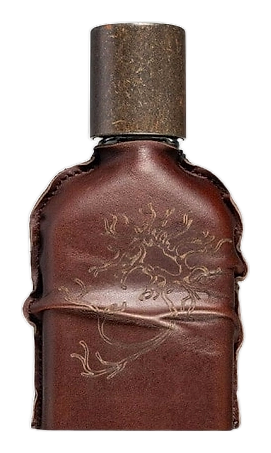
Filippo Sorcinelli founded his Milan-based house in 2001, translating the visual language of liturgical art into olfactory form. Each fragrance in the collection reads like a visual sketch, a concept that carries through to Reliqvia, launched in 2021. The name derives from the Latin relinquo, meaning to leave behind, to bequeath. Sorcinelli constructs Reliqvia as a olfactory reliquary, containing sensory fragments meant to outlast their wearer. Where other houses reference religious iconography superficially, Sorcinelli approaches it as material: smoke, resin, sacred wood, each note functioning as an artifact.
Sorcinelli's philosophy centers on using sacred materials to create secular contemplation. Reliqvia pairs blackcurrant with frankincense, an unusual combination that speaks to the house's approach: finding unexpected harmony between the natural and the spiritual. The mastic and Scots pine in the heart reference Mediterranean liturgical traditions, while tobacco and smoke nod to historical incense practices. These material pairings ground the fragrance in specific traditions while remaining open to personal interpretation. The cashmere wood and guaiac wood in the drydown represent warmth and smoke respectively, creating a wood core that feels both grounded and delicate.
The evolution
Reliqvia begins as a conflict between opposing forces. Smoke rises against blackcurrant brightness, tobacco leaf clashes with citrus, yet these tensions resolve through the heart. As mastic and Scots pine emerge, the composition shifts from urban tension to forest contemplation. The clove and orange blossom introduce complexity without sweetness, maintaining the fragrance's austere character. The transition to frankincense and sandalwood feels inevitable, like smoke dispersing into sacred air. The evolution mirrors ritual progression, each phase deepening until reaching spiritual stillness.
Cultural impact
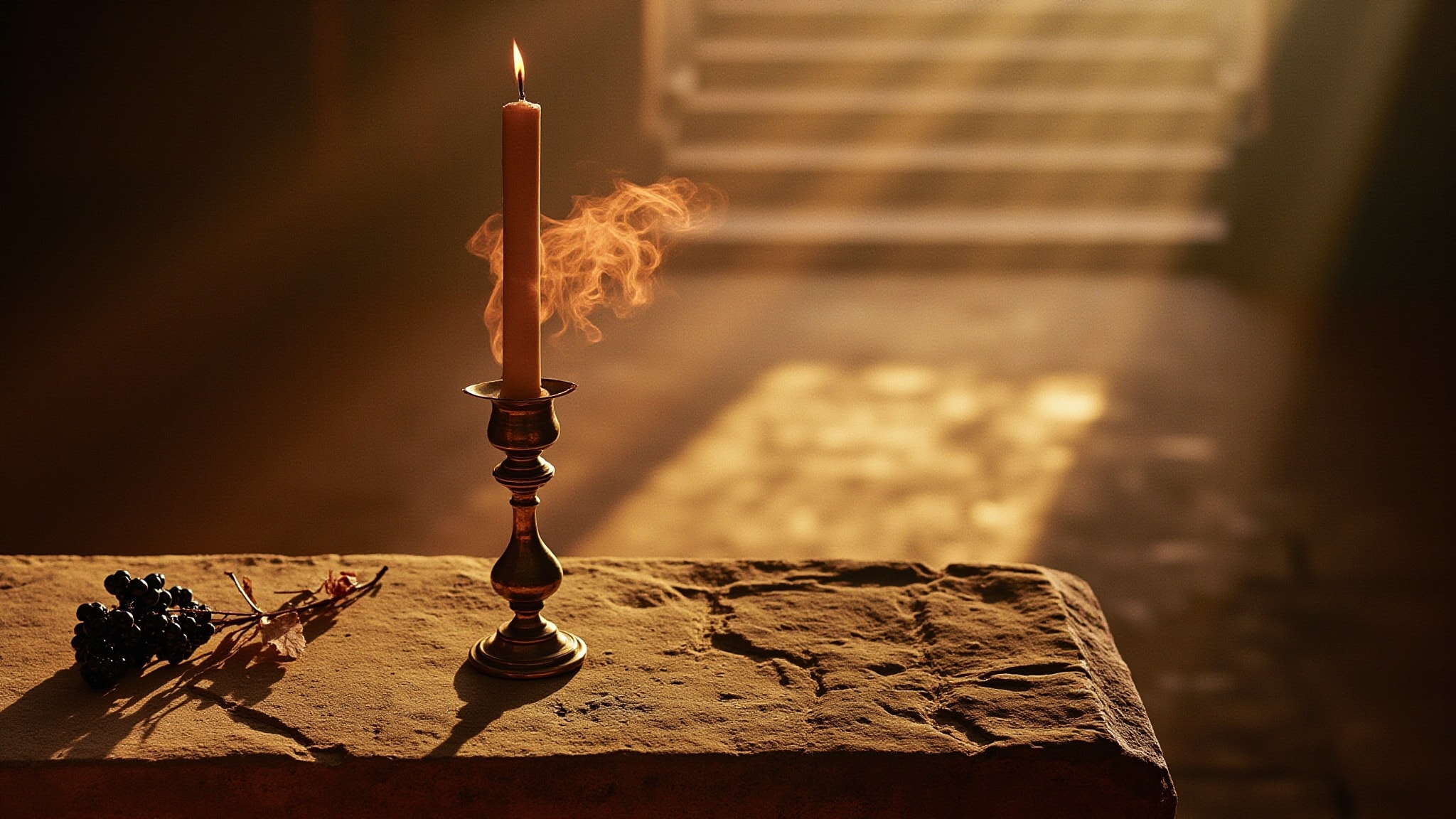
Since its 2021 debut, Reliqvia has become a reference point for modern sacred‑inspired perfumery, often mentioned alongside Simone Andreoli’s Smoke of Desert and Heeley’s Cardinal for its balanced smoky‑woody character. Wearers describe it as the scent of a quiet chapel after dusk, earning quiet compliments in artistic circles and niche forums. Its ritualistic aura has made it a favorite for gallery openings and contemplative evenings, cementing its place in the niche community as a modern relic.