Scots pine
Scots pine captures the crisp vitality of northern forests. Steam-distilled from Pinus sylvestris needles, this essential oil delivers fresh, resinous, and woody facets that define the archetype of pine in perfumery.
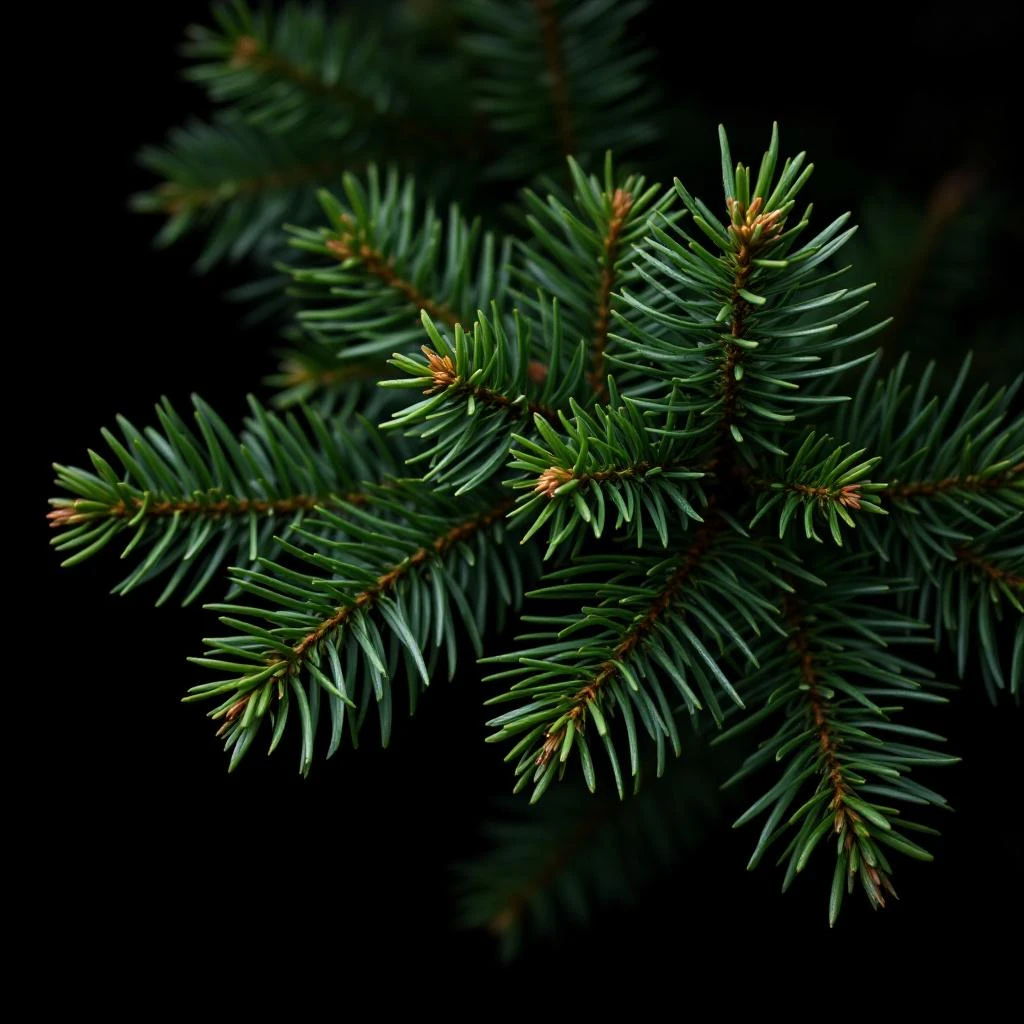
Character
How it smells
The archetype of forest freshness
Ancient Egyptian embalmers used pine oil for its preserving qualities, a practice that influenced perfumery traditions for millennia.








Origin
Scotland
Pinus sylvestris has shaped human culture across millennia. Ancient Egyptians incorporated pine oil into embalming practices, recognizing both its preserving qualities and distinctive fragrance. Greek and Roman physicians documented pine resin in medicinal treatments, while northern European peoples developed sophisticated methods for harvesting and processing the material.
The species takes its name from the Latin silvestris, meaning "of the forest," reflecting its central role in woodland ecosystems and human tradition alike. Scottish highlanders traditionally used pine pitch and oil for wound treatment and ritual purposes. During the Industrial Revolution, expanded distillation techniques made pine oil more accessible to perfumers.
Today, Scotland and Scandinavia remain primary producers of premium Scots pine oil, though the species grows wild across temperate and boreal zones throughout the Northern Hemisphere.
Wears it best
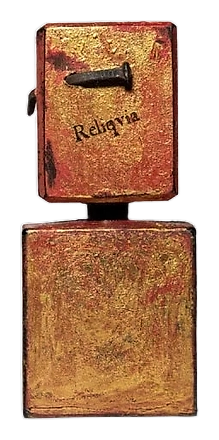
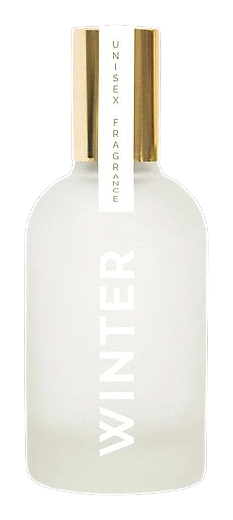
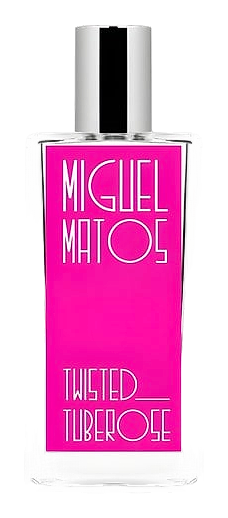
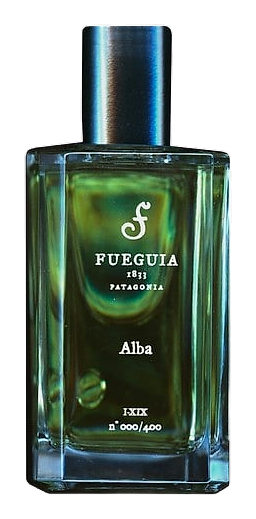
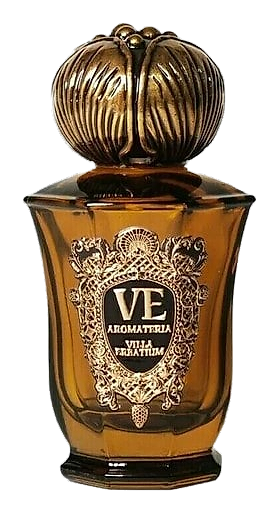
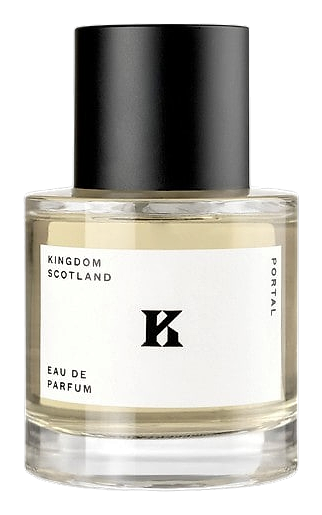
Fragrances featuring Scots pine

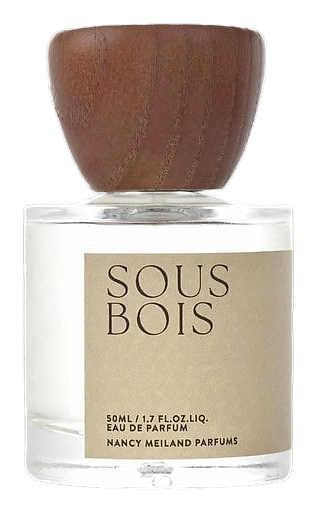

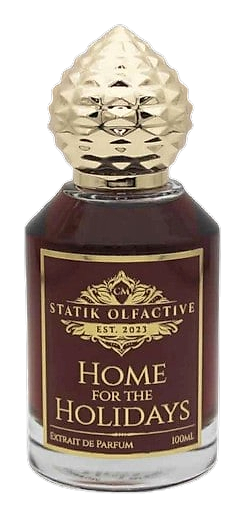
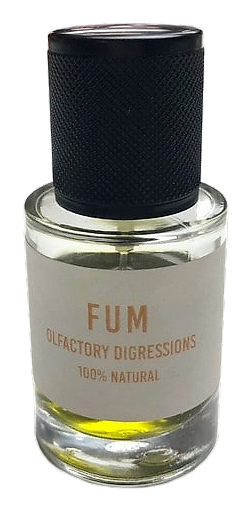
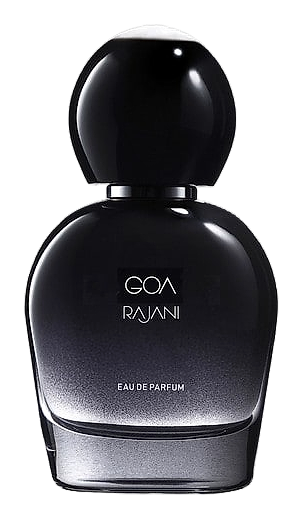
Brands
Brands known for Scots pine
Good to know
Questions, answered
The essentials on Scots pine in perfumery: how it smells, where it comes from, and how it behaves on skin.
What does Scots pine smell like in perfume?
Scots pine delivers fresh, resinous, and woody scent characteristics. The note opens with crisp conifer freshness, followed by warm balsamic undertones reminiscent of forest walks.
Is Scots pine a top note or base note?
Scots pine functions as both a top and heart note in perfumery. It projects immediately upon application while retaining its character through the fragrance's mid-phase.
Which fragrance families use Scots pine?
Scots pine appears most commonly in fougere and aromatic fragrance families. It also features in chypre, woody, and fresh aquatic compositions.
How is Scots pine oil extracted?
Steam distillation extracts the essential oil from Pinus sylvestris needles. This process involves passing steam through plant material to vaporize aromatic compounds, which then condense and separate from water.
Does Scots pine blend well with other ingredients?
Scots pine pairs naturally with cedarwood, juniper, and other conifer materials. It also complements lavender, oakmoss, and citrus notes in aromatic fougere compositions.
Is Scots pine used in men's or women's fragrances?
Scots pine appears across masculine and feminine fragrances. It dominates men's aromatic and fougere scents but also features in unisex and women's perfumes seeking fresh, natural character.
What volume of plant material yields Scots pine essential oil?
Distillers require approximately 100 kilograms of Scots pine needles to produce 200 to 500 grams of essential oil, making it a relatively concentrated aromatic material.
Where does commercial Scots pine oil originate?
Scotland and Scandinavia serve as primary production regions for premium Scots pine oil. The cool boreal climate of these areas produces needle material with robust aromatic concentration.


