Smoke
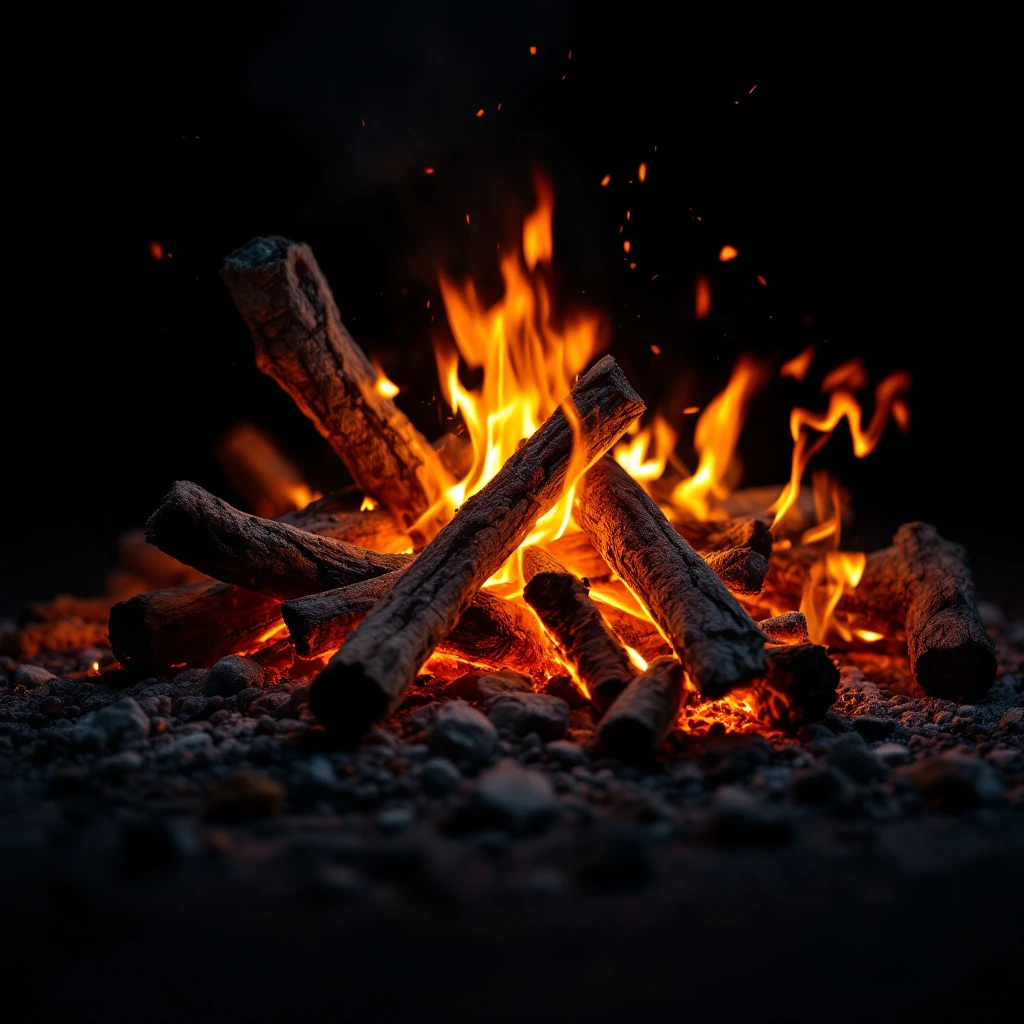
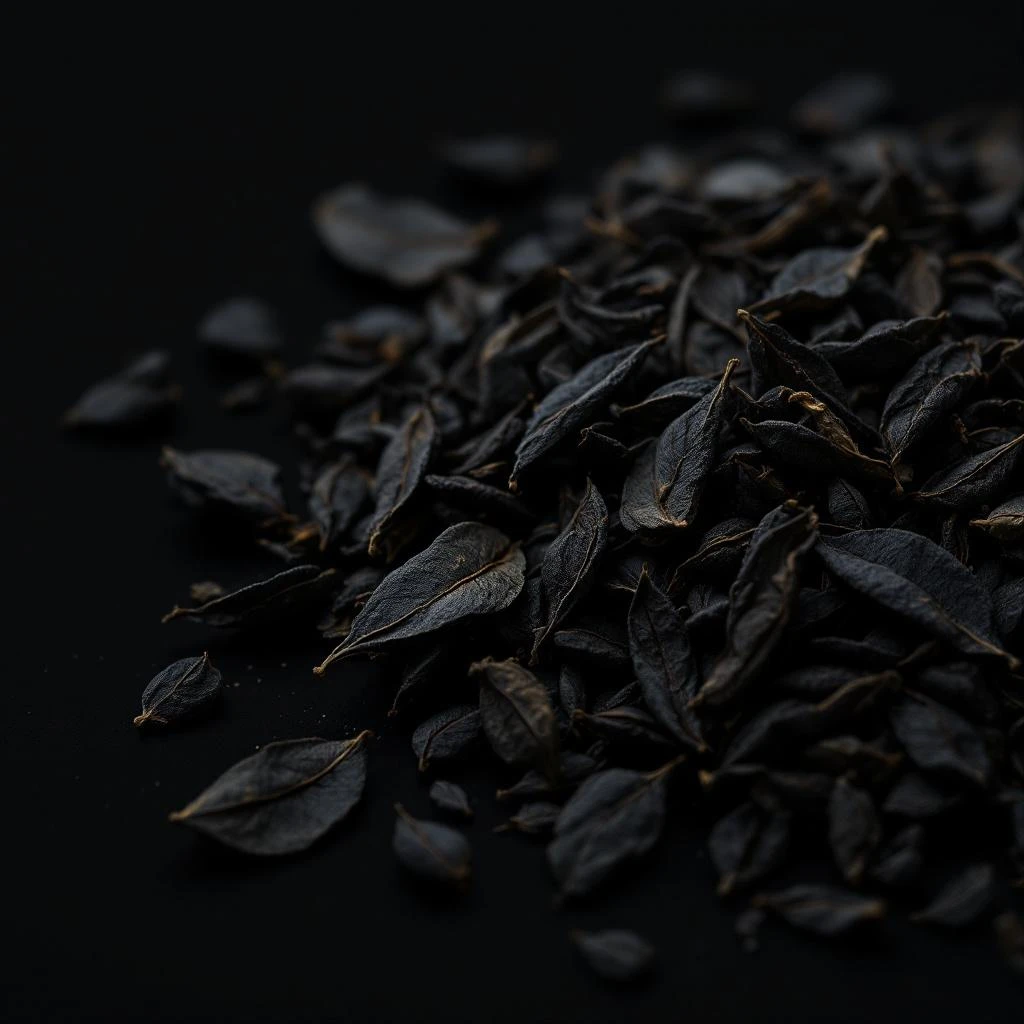
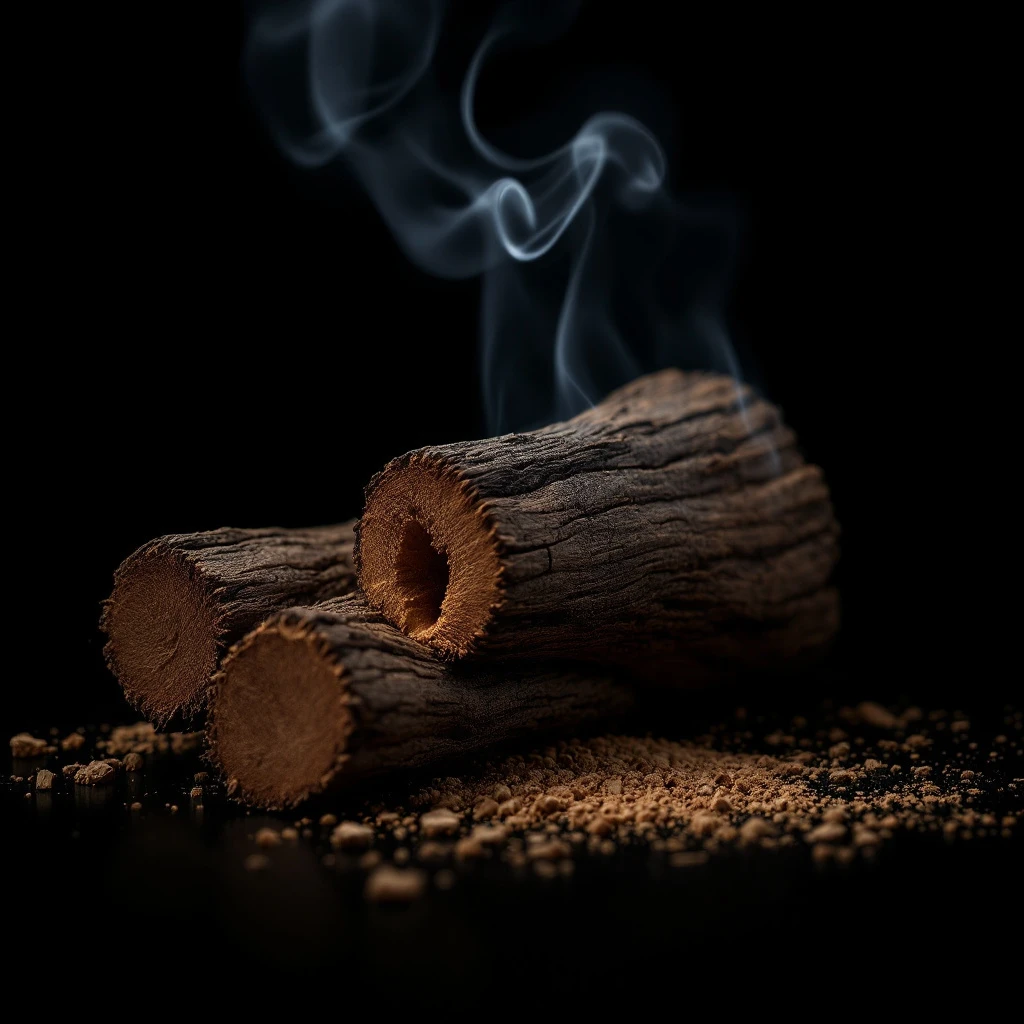
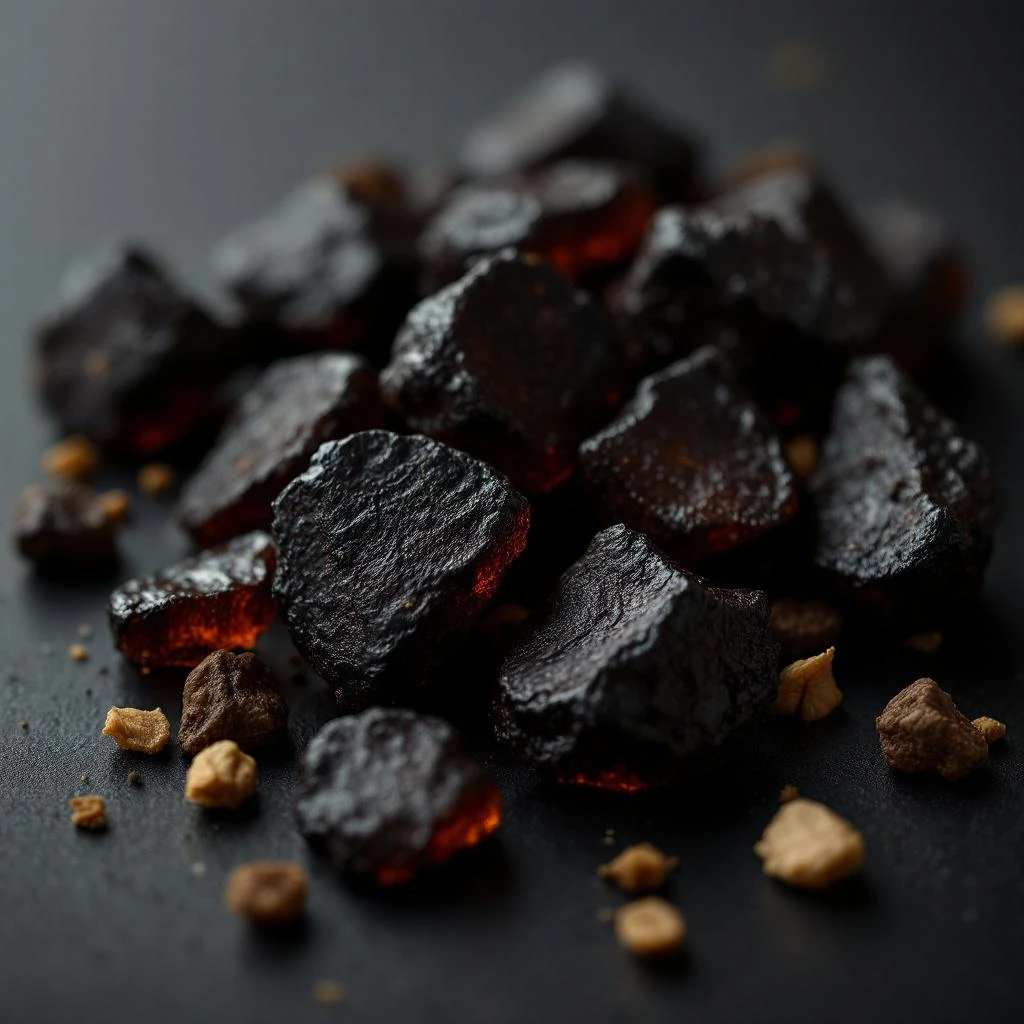
Smoke in perfumery captures the primordial essence of burning wood, aromatic resins, and smoldering embers. Unlike single-source ingredients, smoke is meticulously reconstructed through accords of birch tar, cade oil, guaiac wood, and lapsang souchong tea to evoke atmosphere, memory, and depth. It transforms compositions by introducing weight and mystery, grounding lighter notes while adding a sophisticated darkness that lingers on skin.
Character
How it smells
The primordial element that rises through every great fragrance
The very word perfume derives from the Latin per fumum, meaning through smoke. Ancient civilizations burned aromatic woods and resins as the earliest form of scent, making smoke literally the origin of perfumery itself.







Origin
Mediterranean region
The relationship between smoke and scent predates recorded history. When early humans threw aromatic woods, resins, and herbs onto fires, they discovered that heat released fragrant compounds into the air, creating the first intentionally scented environments. This practice, found across virtually every ancient civilization, established smoke as humanity's original perfume vehicle. The Latin per fumum, meaning through smoke, eventually gave us the modern word perfume, a linguistic fossil of this ancient connection.
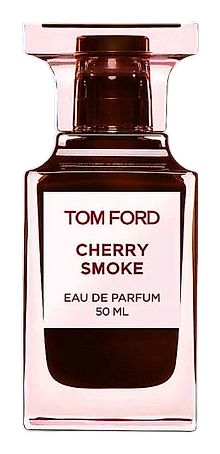
In ancient Egypt, Greece, and Rome, burning incense was central to religious ritual, with smoke believed to carry prayers to the gods. The Mediterranean tradition of cade wood as a fumigant stretches back to antiquity, when it was burned to purify air and repel insects. Birch tar entered the European perfumer's palette through the leather industry, where it was used to waterproof and preserve hides. By the nineteenth century, smoky notes had become essential tools for creating leather accords, adding depth to chypre compositions, and evoking the atmosphere of libraries, drawing rooms, and distant fires. In contemporary perfumery, smoke has experienced a renaissance as niche houses explore atmospheric and narrative-driven compositions. Tom Ford's Cherry Smoke demonstrates the note's versatility, combining smoky accords with sweet fruit to create unexpected contrast. From sacred ritual to modern luxury, smoke remains perfumery's most elemental expression of transformation and memory.
Wears it best
Fragrances featuring Smoke






Brands
Brands known for Smoke
Good to know
Questions, answered
The essentials on Smoke in perfumery: how it smells, where it comes from, and how it behaves on skin.
What does smoke smell like in perfume?
Smoke in perfume ranges from soft and wispy to bold and ashen, typically presenting as woody, dry, and atmospheric with warm, resinous undertones. Natural sources like birch tar deliver intense, leathery darkness, while guaiac wood offers gentler, sweeter smoke with creamy nuances. The character varies dramatically by source, from the campfire intensity of cade oil to the refined, tea-like smokiness of lapsang souchong. In compositions, smoke adds texture and mystery without overwhelming other notes.
Why is smoke used in perfumery?
Smoke adds depth, atmosphere, and contrast to fragrance compositions, functioning primarily as a sophisticated base note. It grounds lighter accords like citrus and florals while enhancing warmth in oriental and woody compositions. Smoke creates emotional resonance through its association with memory, campfires, incense rituals, and leather. In modern perfumery, it appears in approximately 15 percent of niche fragrances, prized for its ability to transform simple compositions into complex, atmospheric experiences that evolve dramatically on skin.
Is smoke in perfume natural or synthetic?
Smoke is primarily a reconstructed accord combining both natural and synthetic materials. Natural sources include birch tar from dry-distilled birch bark, cade oil from Mediterranean juniper, guaiac wood, and lapsang souchong tea. Modern perfumery increasingly employs synthetic pyrazines and specialized aroma molecules to create cleaner, more consistent smoky effects. These synthetics offer greater control and avoid the heavy, sometimes harsh character of natural materials, allowing perfumers to craft precise atmospheric impressions.
What famous perfumes contain smoke?
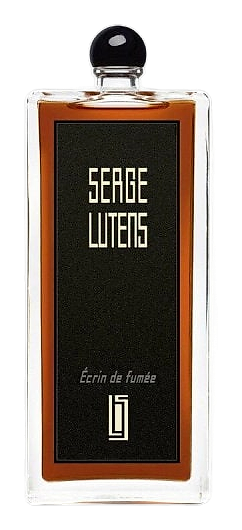
Notable smoky fragrances include Tom Ford Cherry Smoke, which pairs smoke with sweet cherry for dramatic contrast. Serge Lutens Chergui combines tobacco and smoke in a warm, enveloping composition. D.S. & Durga Burning Barbershop reinterprets smoke through burnt lavender and pine tar. Tom Ford Tobacco Vanille uses smoke to deepen its gourmand structure. These fragrances demonstrate smoke's versatility across leather, oriental, and woody fragrance families.
Is smoke a top note, heart note, or base note?
Smoke functions almost exclusively as a base note in perfumery. Its heavy molecular weight and persistent character allow it to anchor compositions for 8 to 12 hours on skin. Smoke accords typically emerge in the drydown, revealing their full complexity after top and heart notes have dissipated. This longevity makes smoke valuable for creating lasting impressions and atmospheric foundations, though perfumers must balance it carefully to avoid overwhelming more delicate notes in a composition.
What notes pair well with smoke in perfume?
Smoke pairs exceptionally well with leather, creating classic smoky-leather accords found in fragrances like TF Tobacco Oud. It complements vanilla, tonka, and cacao in gourmand compositions, where smoke adds savory contrast to sweetness. Woods like cedar, sandalwood, and oud create layered depth when combined with smoke. Spices including cinnamon, clove, and cardamom amplify its warmth. In modern compositions, smoke appears alongside unexpected partners like cherry, creating innovative contrasts.
Where does smoke come from in perfumery?
Smoke accords draw from multiple natural origins. Birch tar originates from northern European forests, where birch bark undergoes dry distillation. Cade oil comes from Juniperus oxycedrus shrubs native to Mediterranean garigue landscapes in France and Spain. Guaiac wood is sourced from Bulnesia sarmientoi trees in the Gran Chaco region of South America. Lapsang souchong tea originates from China's Wuyi Mountains. These diverse sources each contribute distinct smoky signatures.
Is smoke used in men's or women's fragrances?
Smoke is gender-neutral and appears across all fragrance categories, though it has historical association with masculine scents through its use in leather and tobacco compositions. Contemporary perfumery has embraced smoke as a universal element, with notable unisex fragrances like Le Labo Santal 33 and Tom Ford's smoky compositions. Women's fragrances increasingly incorporate smoke to add sophistication and edge to floral and gourmand structures. The note's atmospheric quality transcends traditional gender boundaries in modern niche perfumery.