













Heritage
A house, in its own words
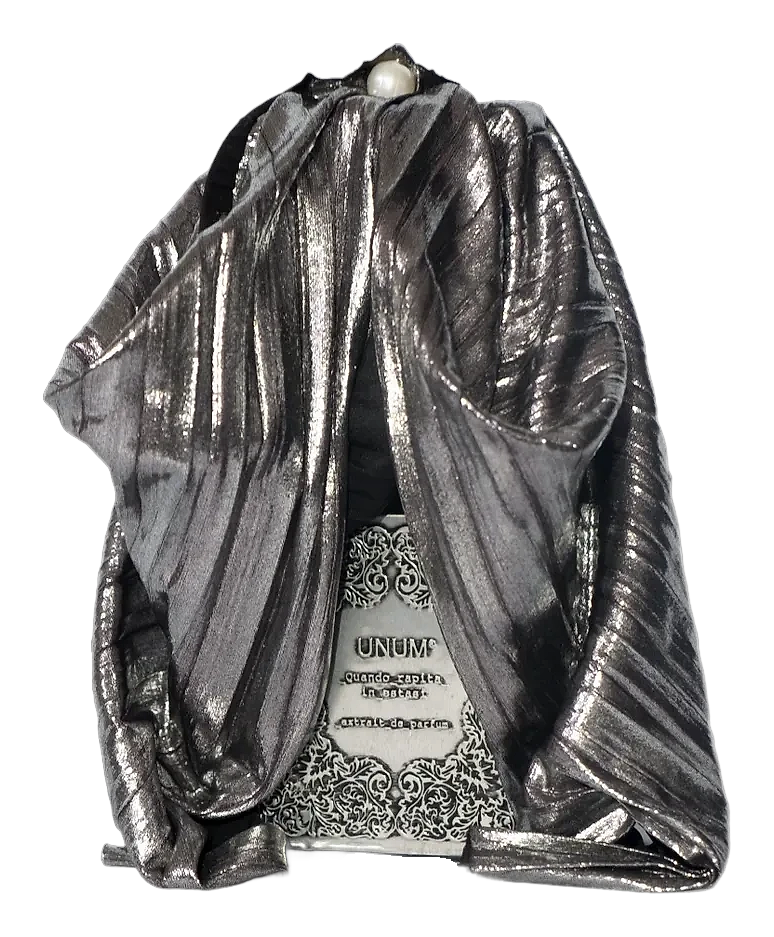
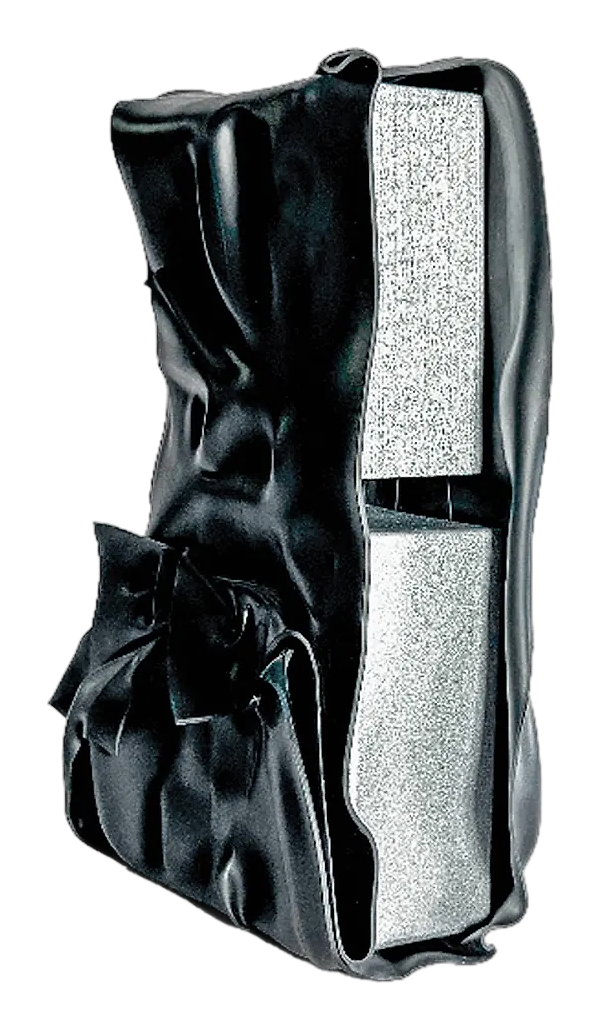
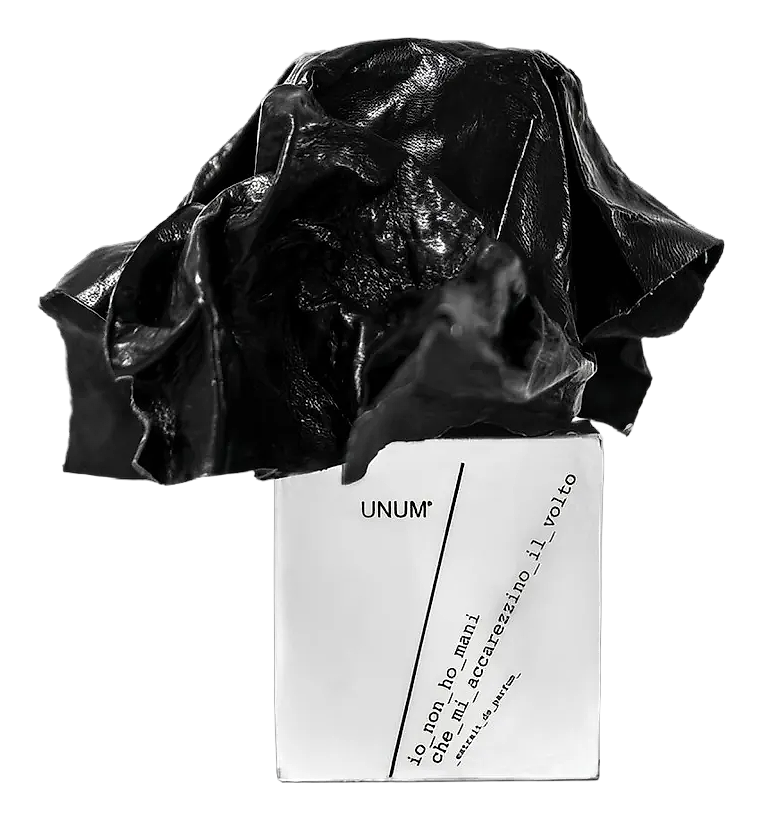
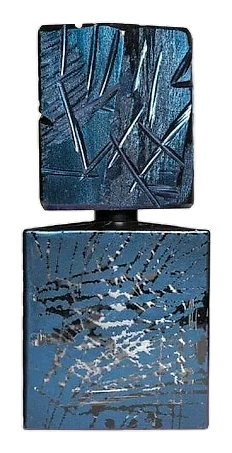
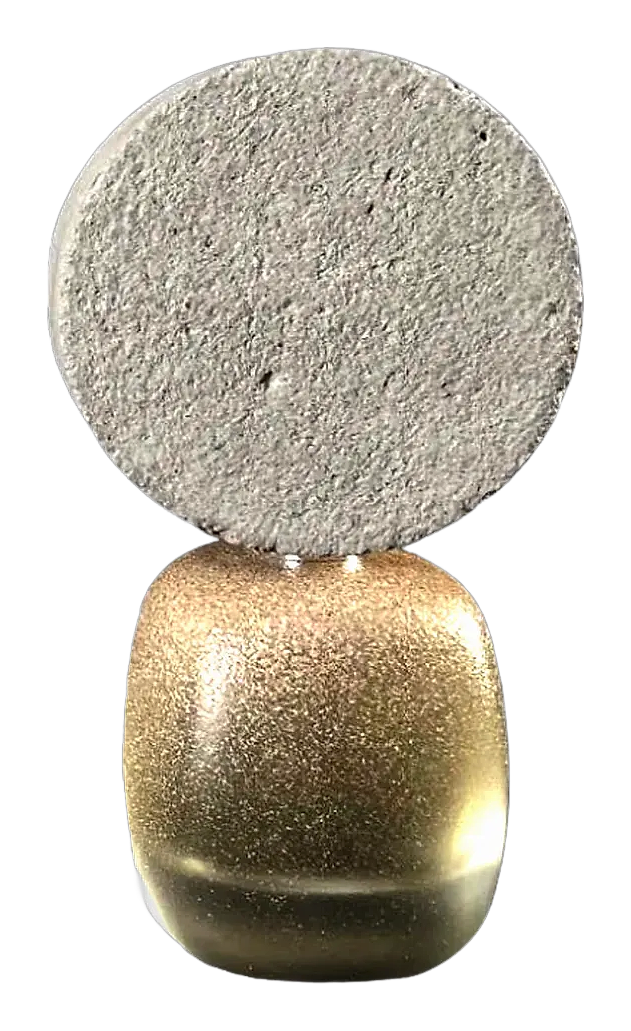
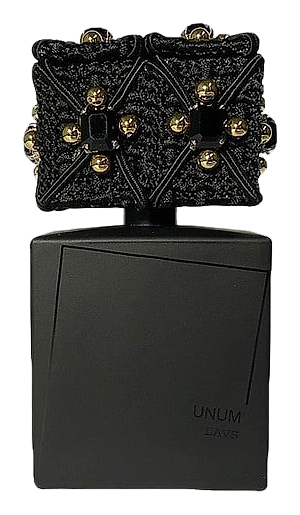
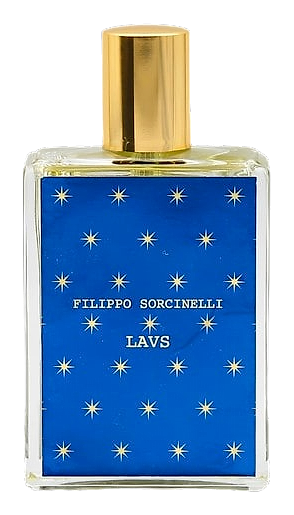
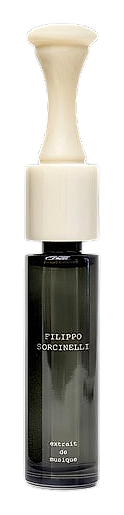
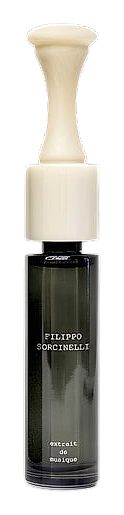
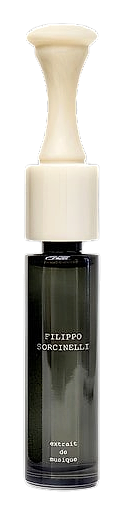
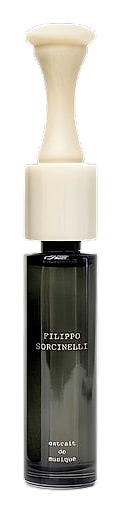
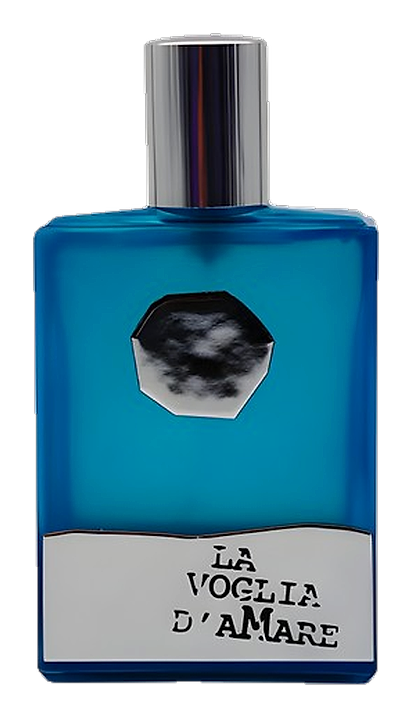
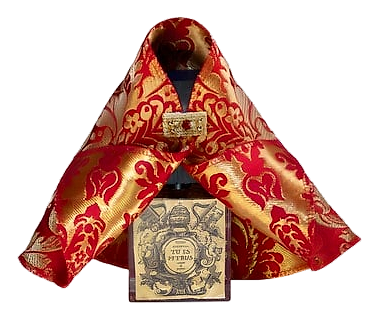
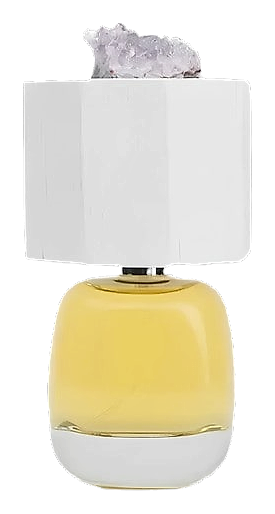
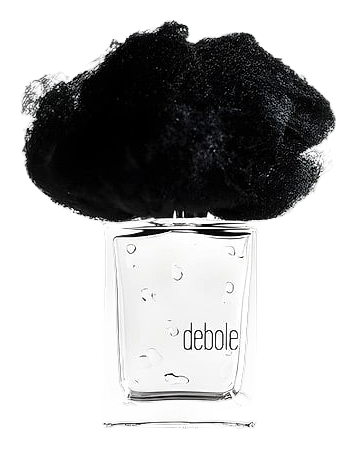
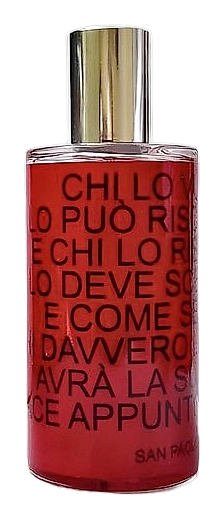
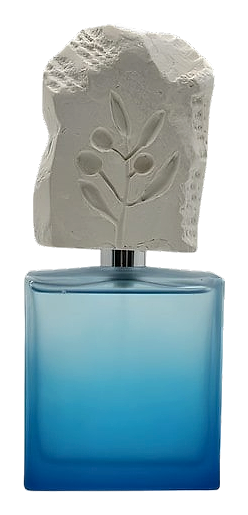
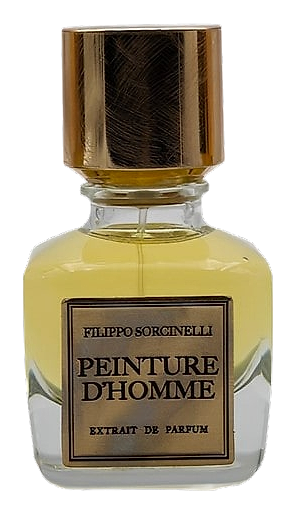
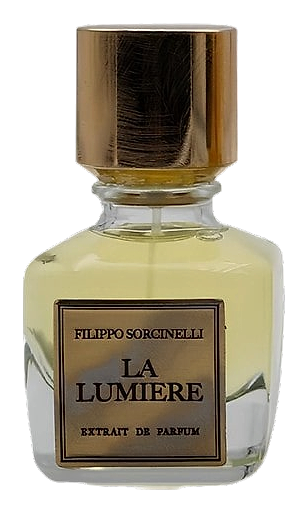
In 2001 Filippo Sorcinelli founded LAVS – Laboratorio Atelier Vesti Sacre – in Milan. The workshop began by designing and hand‑stitching sacred vestments for churches, then expanded to create a room and clothing spray for Pope Benedict XVI. That commission introduced a fragrance concept rooted in ritual and place. Over the next decade the studio experimented with scent as a complement to visual art, producing small batches for private collectors. In 2016 the brand launched ennui‑noir, a dark, introspective scent that marked the first perfume released under the Filippo Sorcinelli name. Three years later Quando rapita in estasi arrived, drawing on the composer’s notion of ecstatic music and earning coverage in niche perfume blogs. The 2020 Lavs Limited Edition revisited the original papal spray, reformulated with contemporary ingredients while preserving its historic DNA. 2022 saw the introduction of TU ES PETRUS, a fragrance that references stone and permanence, followed by La Voglia d’aMare (2024), a marine‑inspired composition that juxtaposes salt‑kissed air with warm amber. The most recent releases, Peinture d’Homme and La Lumière (both 2025), explore the relationship between light, colour and scent, completing a decade‑long evolution from liturgical craft to artistic perfumery. Throughout its history the house has remained independent, producing each fragrance in limited numbers from its Milan workshop and maintaining a direct relationship with a small community of collectors. Filippo Sorcinelli treats fragrance as a visual medium, seeking to paint emotions with aroma. The brand’s creative vision stems from the founder’s background in sacred art, where symbolism and ritual guide composition. Each scent begins with a narrative sketch – a memory, a place, a musical phrase – that the perfumer translates into accords. The house values authenticity, favouring ingredients that carry a trace of their origin, whether a Tuscan lavender field or a Sicilian citrus grove. It avoids mass‑market trends, instead focusing on the personal resonance of a fragrance. The label encourages wearers to experience scent as a moment of contemplation rather than a decorative accessory. This approach aligns with a broader artistic practice that includes limited‑edition jewellery and hand‑crafted interiors, reinforcing the idea that scent can shape atmosphere as powerfully as colour or texture.