The Story
Why it exists.
The beginning
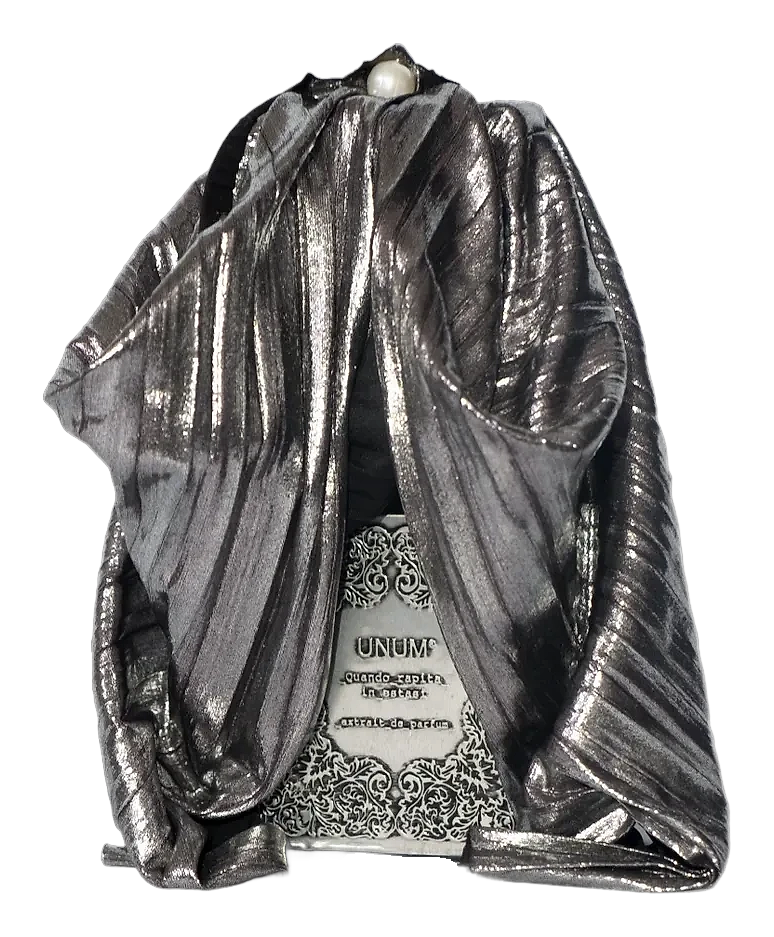
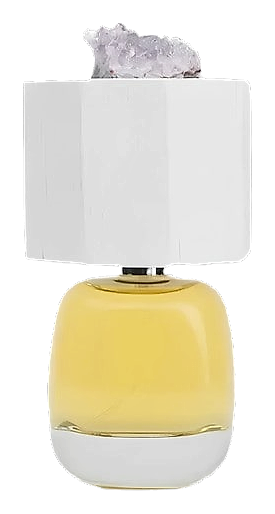
Filippo Sorcinelli translates the language of liturgy and fine art into wearable form. Before fragrance, his Milan studio crafted sacred vestments and a papal room spray, work that taught him light and shadow as partners, not opposites. Lux Visionaria completes that conversation. The name arrives from scripture: the moment darkness first admits illumination. Not darkness defeated. Light arrived. The composition mirrors this reversal, beginning where most fragrances end.
The structure deliberately defies expectation. Heavy resins open, myrrh, saffron, incense, amber, already warm, already present, already smelling like the moment before revelation. Florals arrive last. Jasmine and lily of the valley bloom against smoke rather than despite it. The pyramid inverts entirely: top and base notes swap weight. What reads as darkness in the opening becomes the ground from which light finally rises. That is the concept. That is the point.
The evolution
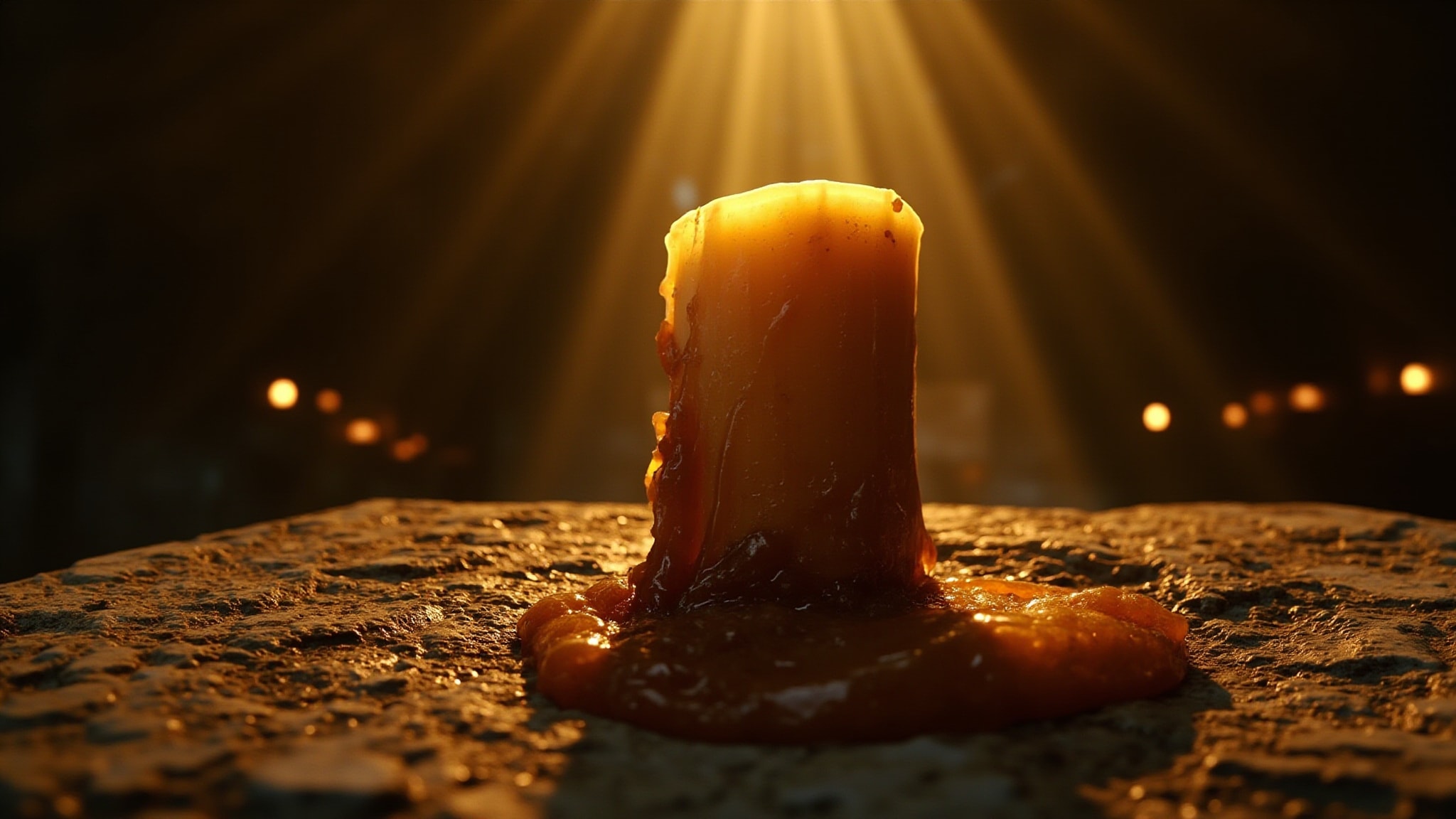
The opening makes no apologies. Myrrh, incense, amber, vanilla, a rich, resinous weight that doesn't build toward anything. It's already there. Already present. Already smelling like something sacred and ancient. Hold on. The heart is where the turn happens. Jasmine and lily of the valley push upward through the smoke, not softening it, blooming against it. Like candlelight in a dark room. Precious woods and ambrette keep things warm, skin-close rather than airspace. Then the drydown: smoke becomes soft, not sharp. Artemisia's green bitterness arrives late, a thumb-print of earth and herb. Ylang-ylang threads tropical sweetness through it all, the unexpected warmth at the bottom of something dark. The smoke doesn't disappear. It gentles. Becomes the memory of itself. This is shadow admitting light. The structure inverts the standard pyramid deliberately, heavy resins open, florals arrive last, creating the sensation of darkness gradually yielding rather than light fading.
Cultural impact
Since its 2022 debut, Lux Visionaria has found its audience among collectors who prize how Sorcinelli works sacred art and olfactory philosophy into a single bottle. The inverted structure, resins opening, florals arriving last, draws attention for its conceptual commitment as much as its scent. It sits alongside other spiritually-rooted niche houses like Tauer and Biehl, though it carves its own space with the floral-over-dark-resins architecture that collectors looking for something outside the mainstream tend to notice.