The Story
Why it exists.
The beginning
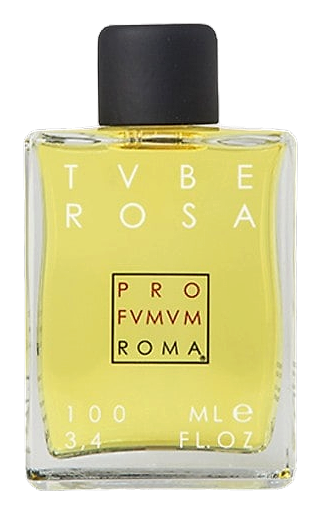
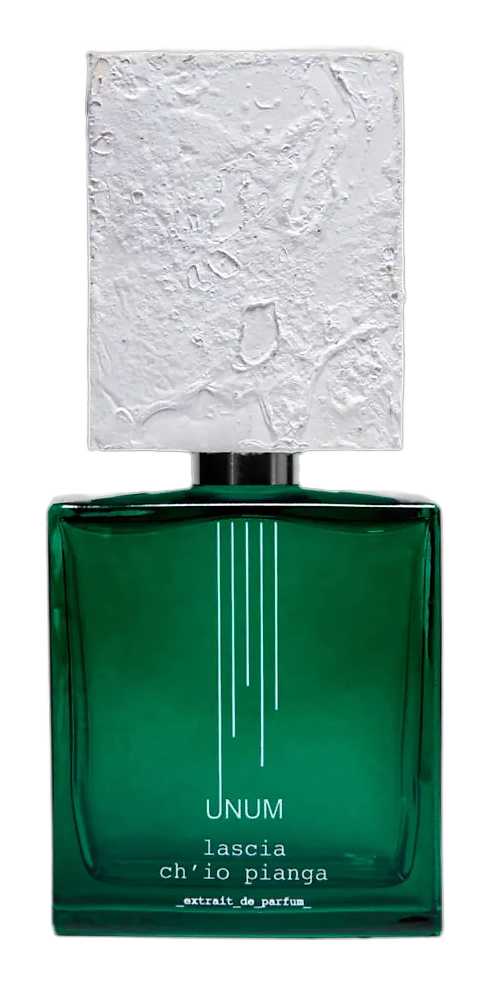
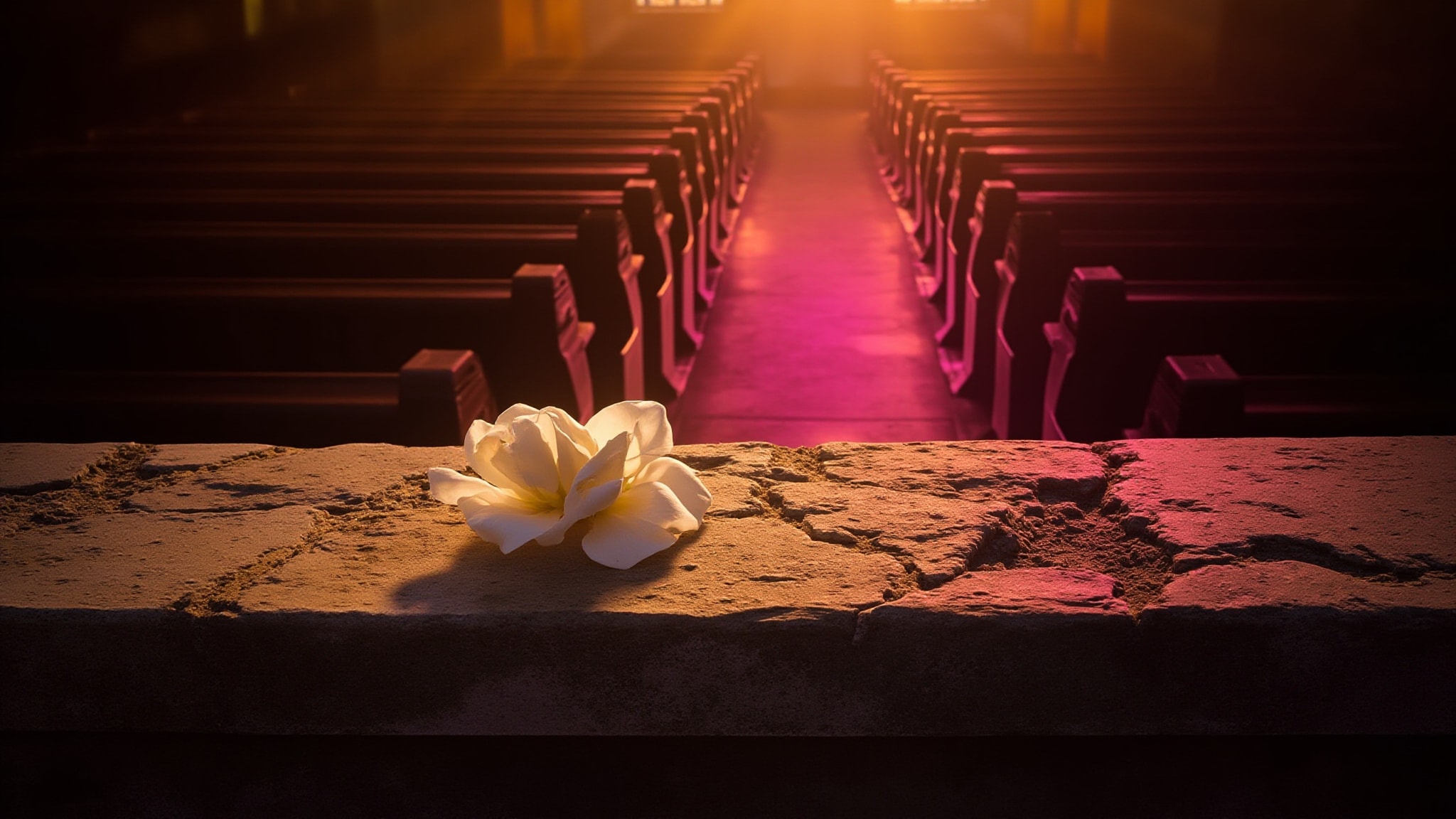
Filippo Sorcinelli named this fragrance for Handel's aria, "Lascia ch'io pianga," the lament from Rinaldo. A song about permission to weep. The aria speaks of sorrow, of the weight that persists, of the strange comfort found in letting something hurt. Sorcinelli, who began his atelier in Milan designing sacred vestments for churches, has always worked in the space between ritual and sensation. This fragrance is another vestment, in a sense, something worn close to the body, meant to translate an emotion into matter. The choice of a white floral was deliberate: tuberose, jasmine, gardenia, flowers that hold an almost physical presence, their sweetness tempered by something deeper. The green notes were the bridge between sorrow and something almost serene. Not comfort. Permission.
The combination of five white florals in the opening is unusual, most compositions would choose one or two and build around them. Here, jasmine, gardenia, lilac, ylang-ylang, and iris arrive almost simultaneously, creating a dewy, rain-washed effect rather than a single dominant note. The iris adds a powdery, slightly bitter quality that keeps the florals from becoming saccharine. In the heart, tuberose and carnation create a spiky, almost unsettling beauty, carnation's clove-like warmth against the green, indolic edge of tuberose. Tolu balsam in the base is a resinous, almost medicinal note that gives the fragrance its staying power. This is not a comfortable scent. But it is an honest one.
The evolution
The opening arrives as a cascade, jasmine and gardenia at the front, but the lilac, ylang-ylang, and iris create something more complex than a simple floral. There's a coolness here, a green mineral quality that feels like the air before rain. The florals are dewy and fresh without ever being sharp. The heart unfolds as the initial brightness settles, revealing the tuberose in its full green, almost indolic form, this is not softened or hedged. It smells like the actual flower, the part most compositions try to hide. Carnation adds a sharp spice that catches at the back of the throat. For the next several hours, the composition settles. The white florals recede and the base emerges, moss, tolu balsam, a warm resinous note that feels almost liturgical. The sillage becomes more intimate, less a statement than a presence.
Cultural impact
Lascia Ch'io Pianga occupies a specific space in niche fragrance: the intersection of sacred art and contemporary emotional expression. Filippo Sorcinelli's background in liturgical work gives the fragrance a weight that goes beyond aesthetics. White florals often trend sweet and enveloping in contemporary perfumery, but this one sets itself apart through its green, non-sweet character. The result is something that feels both raw and composed, a fragrance that asks something of its wearers rather than simply offering comfort.