The Story
Why it exists.
The beginning
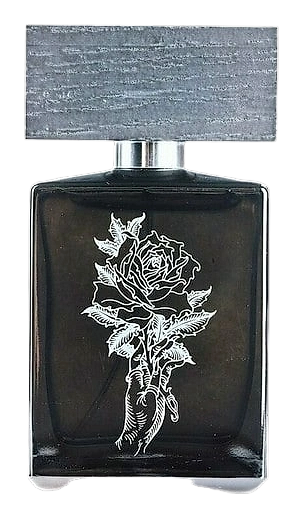
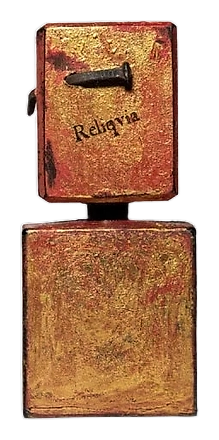
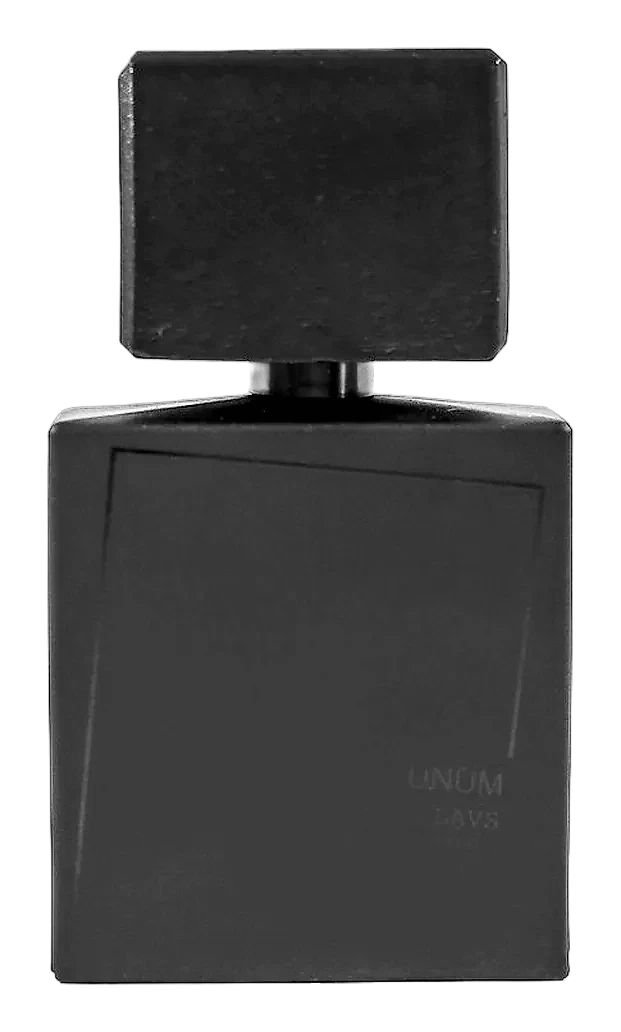
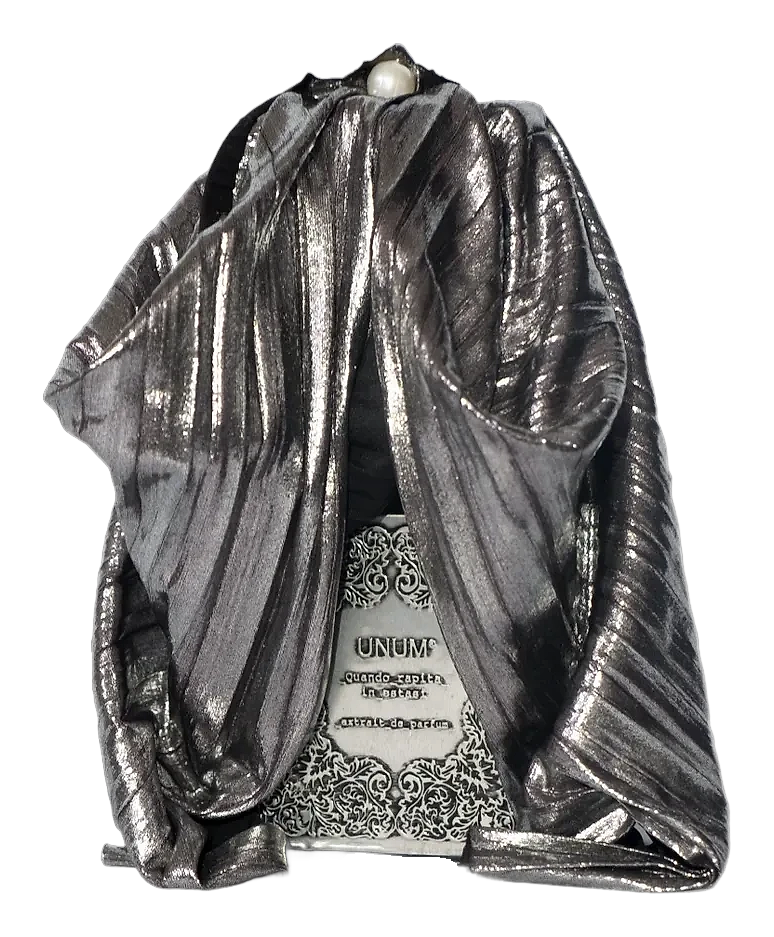
Before creating ennui-noir, Filippo Sorcinelli spent years translating liturgical craft into material objects worn close to the body. His Milan atelier, founded in 2001, inherited a heritage of dressing papal vestments, work that demanded precision in texture, weight, and ritual significance. When Sorcinelli turned to perfumery, the transition felt natural: fragrance, like vestment, exists to create atmosphere and communicate meaning beyond the visible. Ennui-noir emerged from this lineage, designed not as a decoration but as a quiet statement about the relationship between beauty and contemplation. The choice of myrtle and lavender as opening notes reflects this intention, drawing on botanicals with strong historical and cultural resonance rather than following commercial fragrance conventions.
The philosophy behind ennui-noir rests on using materials for their emotional weight rather than their immediate appeal. Myrtle and lavender in the opening create an intentionally unconventional pairing that avoids the bright citrus freshness most people expect from a top note. The cedarwood and heliotrope combination in the heart establishes a woody-floral tension that feels neither masculine nor feminine. In the base, patchouli, vanilla, and vetiver work together to ground the wearer in warmth and earthiness, creating a drydown that reads as contemplative rather than comforting. This approach appeals to those who view fragrance as a form of self-reflection rather than social signaling.
The evolution
The trajectory of ennui-noir moves from a sharp, aromatic opening through a woody-floral heart to a warm, earth-centered drydown. In the first minutes, myrtle and lavender establish a Mediterranean atmosphere that feels both green and herbaceous. The myrtle lends a faint berry-like sweetness while lavender contributes its characteristic clean, slightly camphorated quality. As the scent develops, cedarwood steps forward, bringing its dry and resinous character while heliotrope softens the progression with a powdery floral undertone. The final phase belongs to the base trio: patchouli provides depth and earthiness, vanilla adds warmth and cream, and vetiver finishes with a dry, grassy quality that prevents the composition from becoming too sweet. The complete arc reads as a journey from clarity to warmth.
Cultural impact
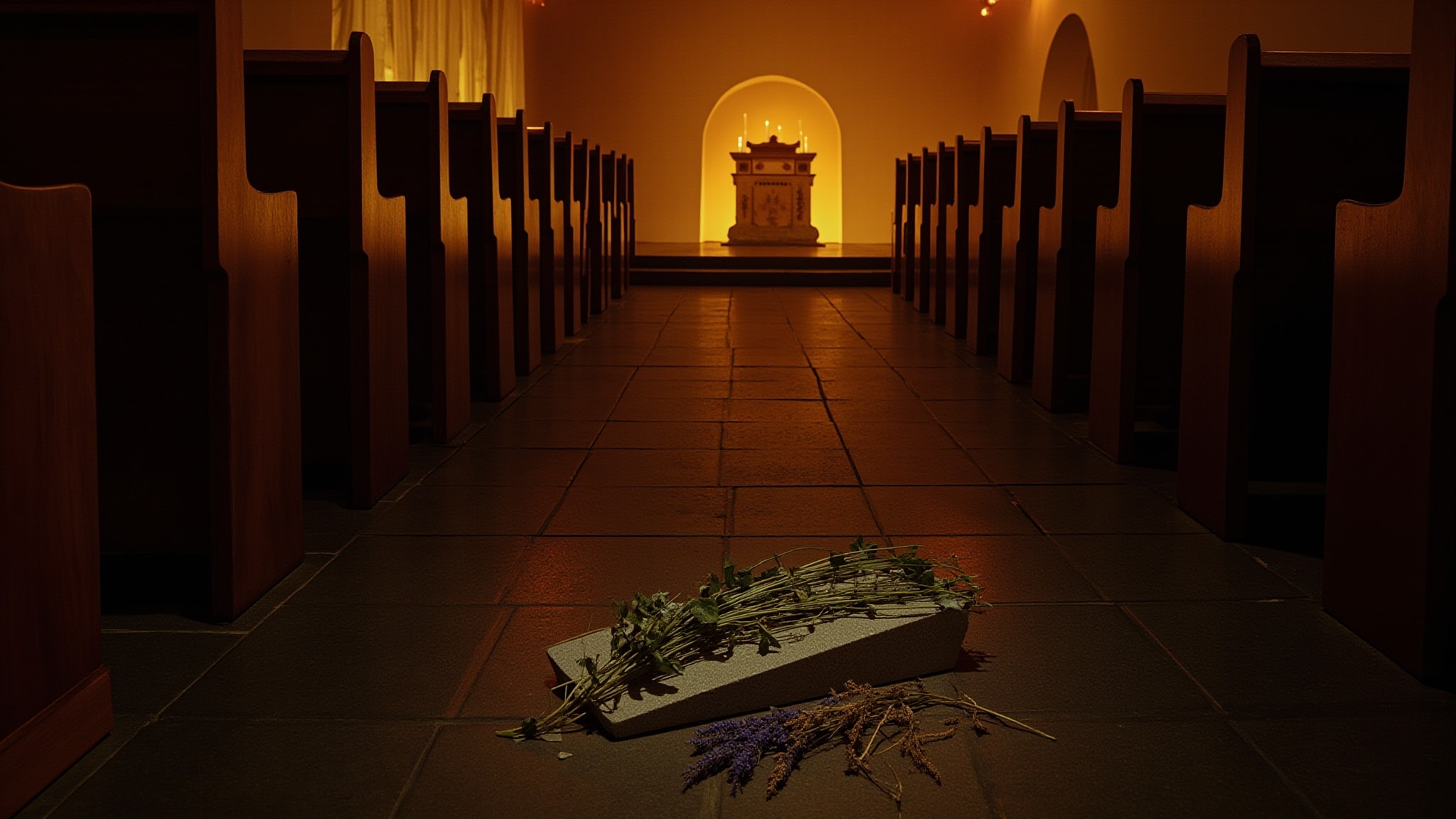
Since its 2016 debut, ennui-noir has resonated with a niche audience that values ritualistic and contemplative scent experiences. Its blend of lavender and myrtle evokes monastic gardens, while the deeper vanilla‑patchouli‑vetiver base reflects a modern reinterpretation of sacred vestments. Over the years, the fragrance has been cited in artistic circles as a scent that complements literary readings and gallery openings, reinforcing its cultural footprint within avant‑garde communities. The perfume’s understated yet persistent presence has inspired discussions about the role of fragrance in personal meditation practices, highlighting its impact beyond mere olfactory pleasure.