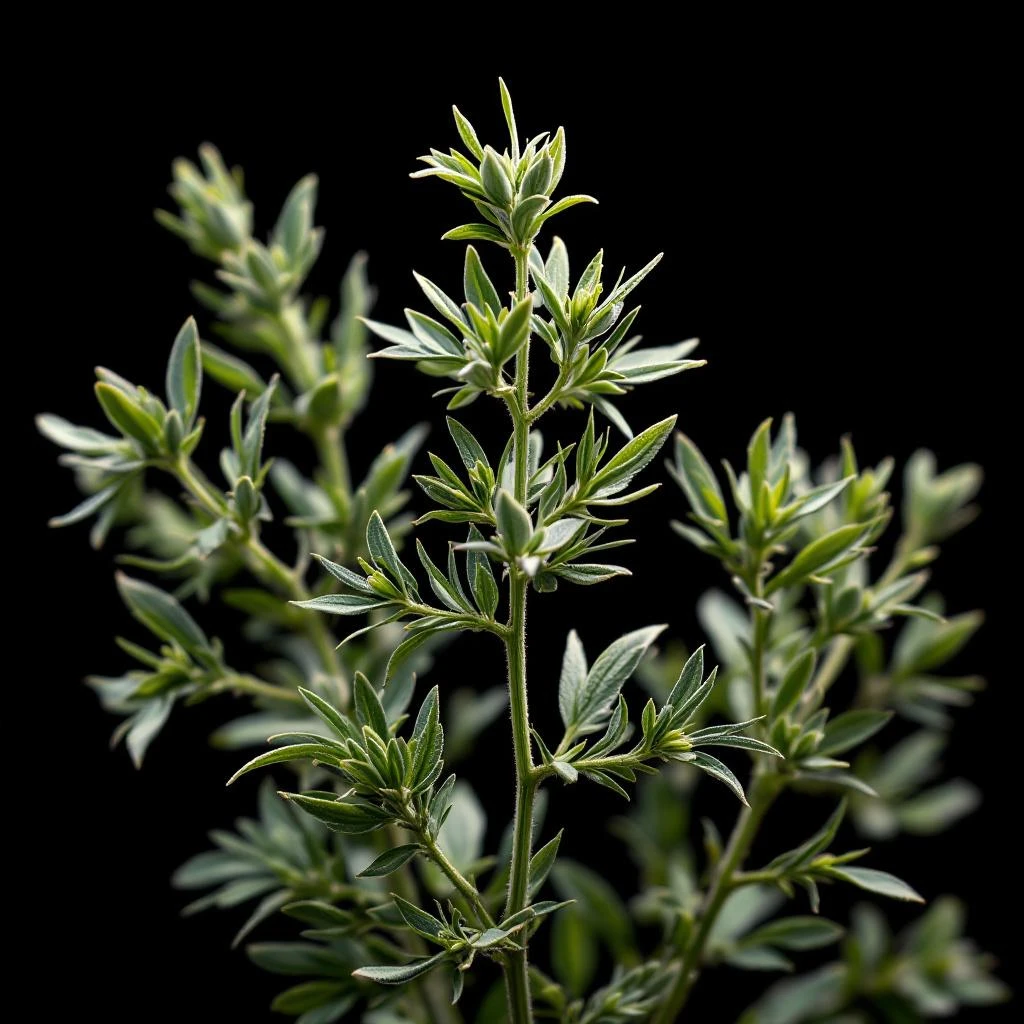
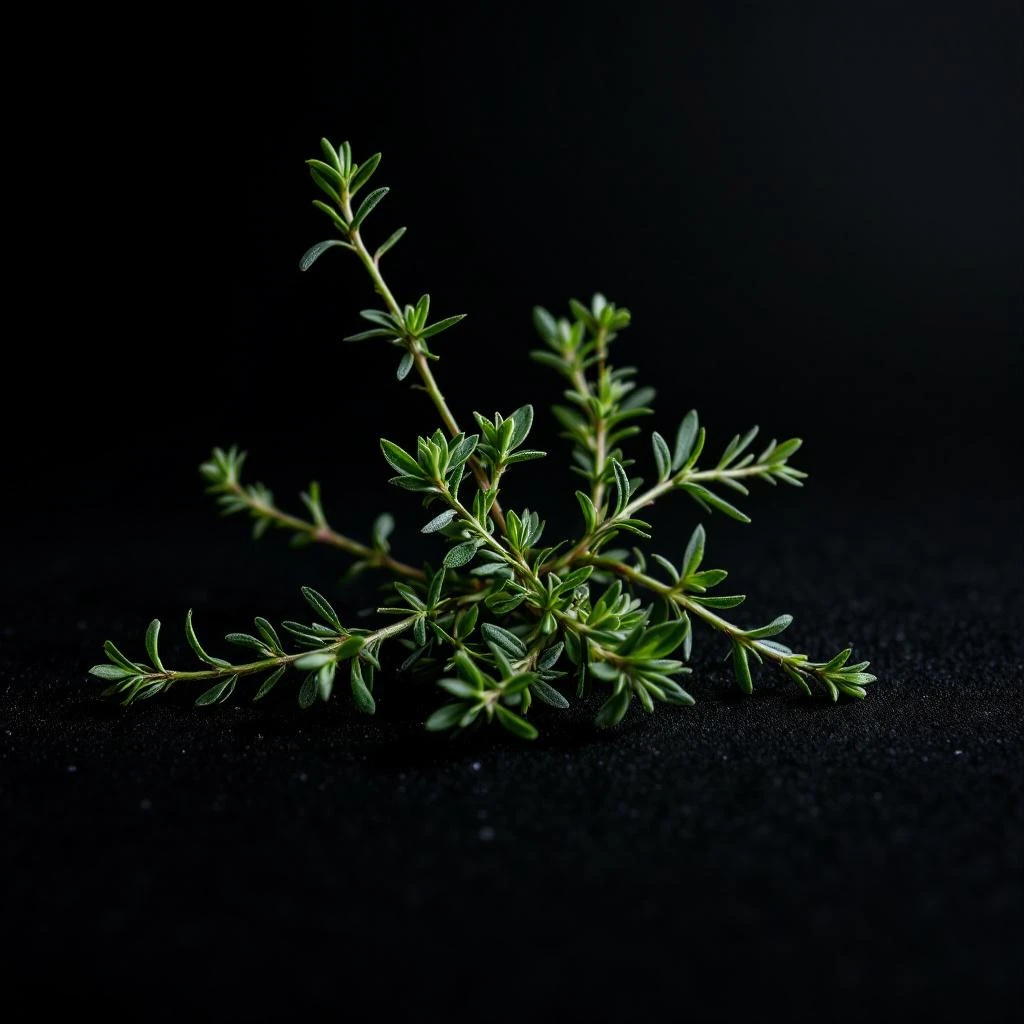
Myrtle
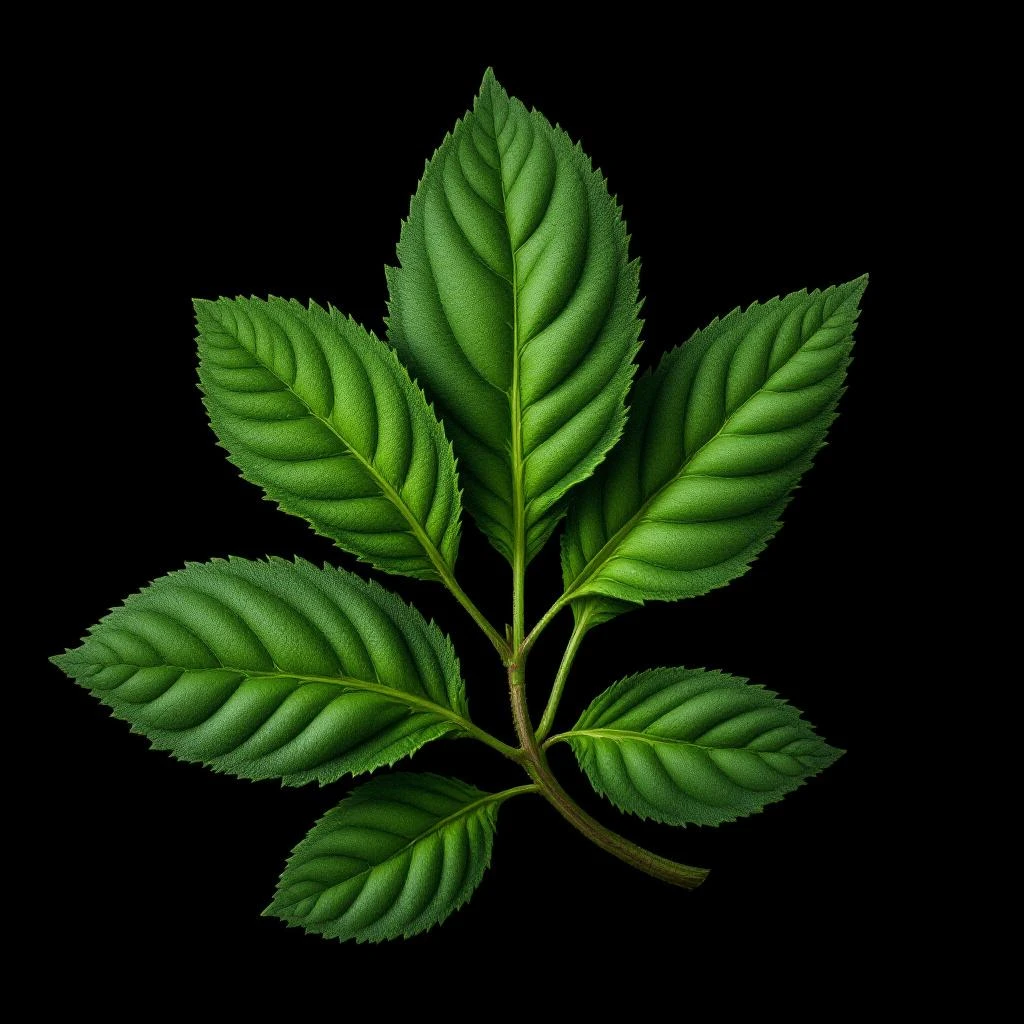
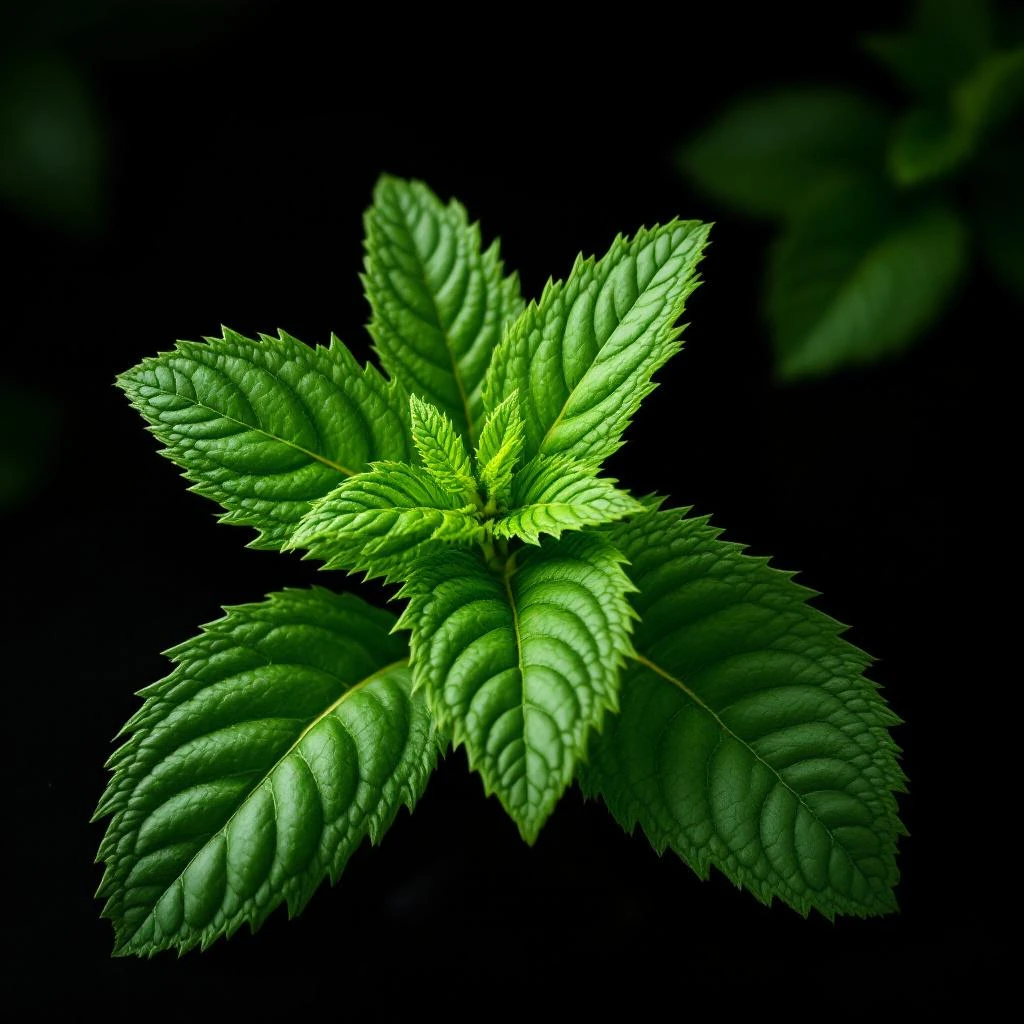
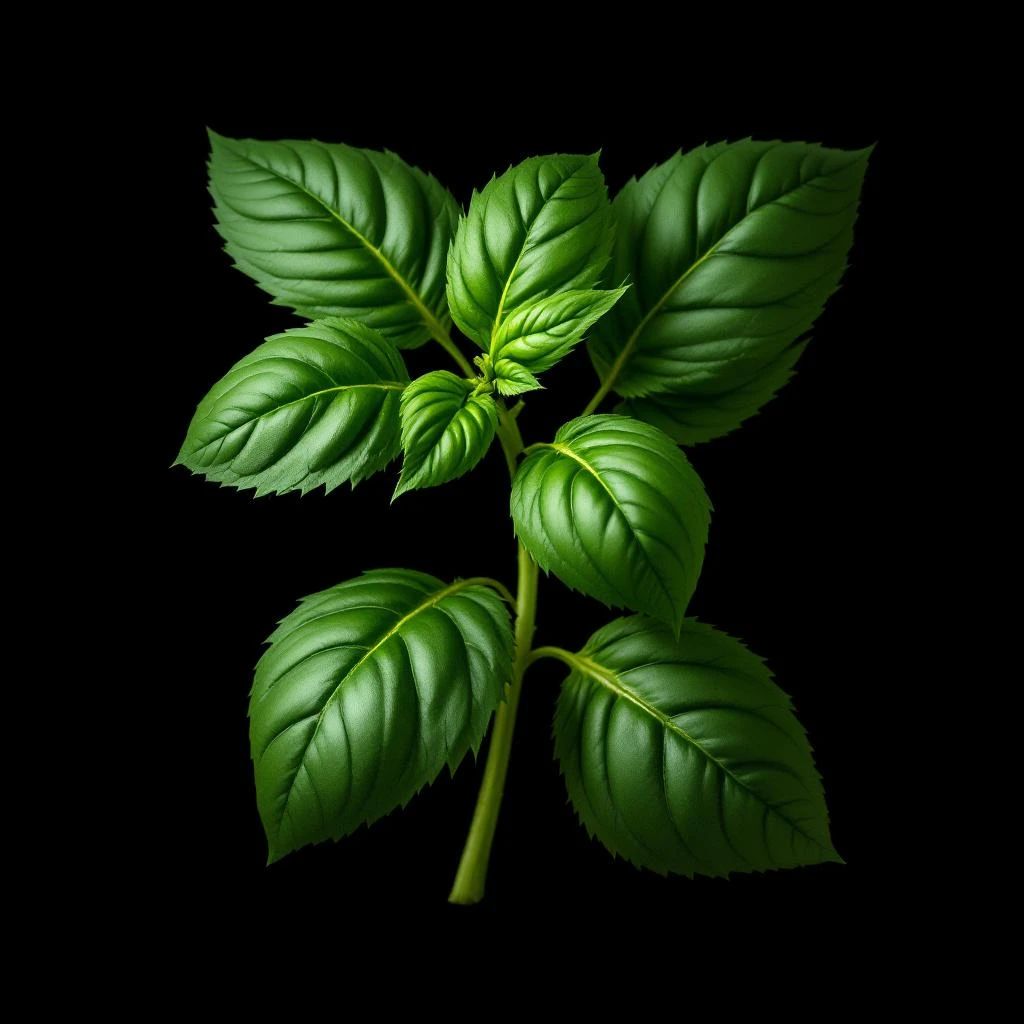
Myrtle is a Mediterranean evergreen whose leaves and flowering tops yield a crisp, camphoraceous oil with green and subtly fruity facets. Prized in perfumery for its aromatic complexity and ancient heritage.
Character
How it smells
A Mediterranean icon with ancient roots and crisp, green fragrance.
Venus wore a myrtle crown in Roman mythology, and the plant was so revered in ancient Athens that it could not be cut without ritual permission.









Origin
Morocco
Myrtle has been woven into Mediterranean culture for millennia. The ancient Greeks and Romans associated it with Venus, goddess of love and beauty, planting it in temple grounds and weaving it into bridal crowns.
Greek physicians including Hippocrates documented myrtle's medicinal properties, using it for digestive and respiratory complaints. In ancient Athens, the plant was considered so sacred it could not be cut without ritual permission.
When perfume-making centers emerged in Grasse during the nineteenth century, myrtle became a valued ingredient in masculine fragrances, prized for its ability to anchor aromatic fougères with fresh, green complexity. It remains a signature note in several classic masculine scents, carrying centuries of cultural significance into modern perfumery.
Wears it best
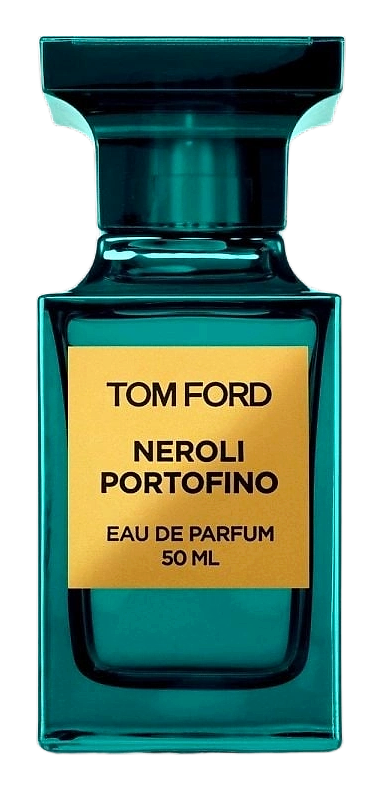
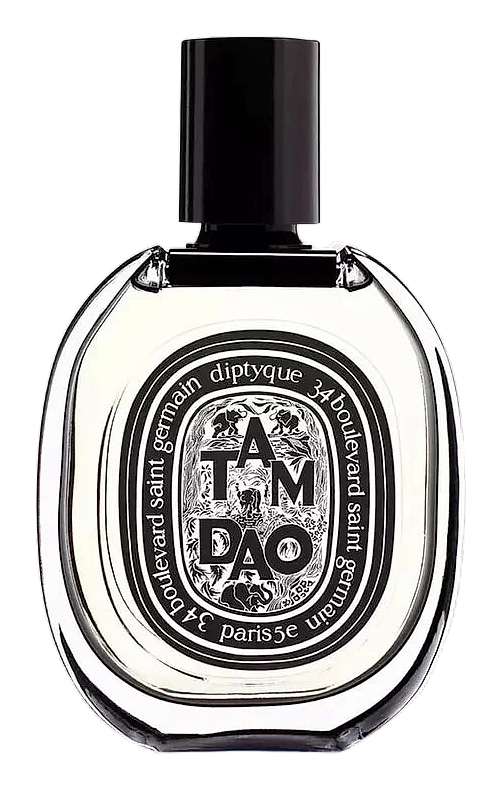
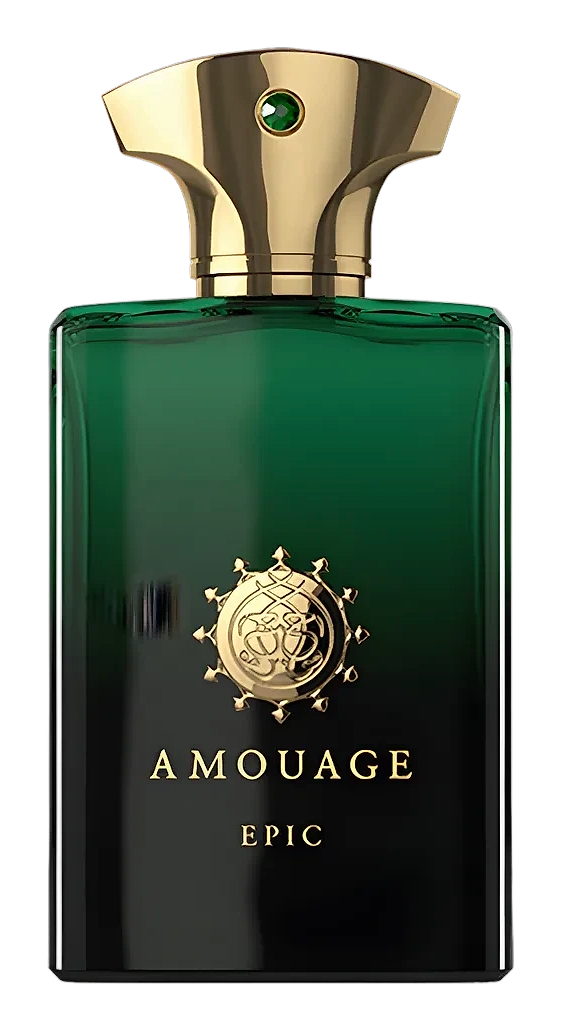
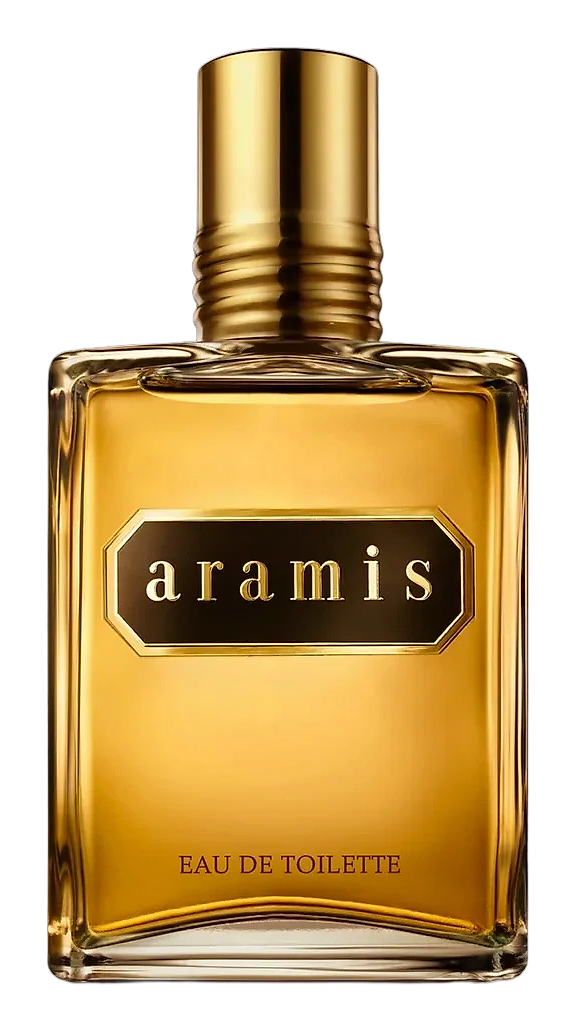
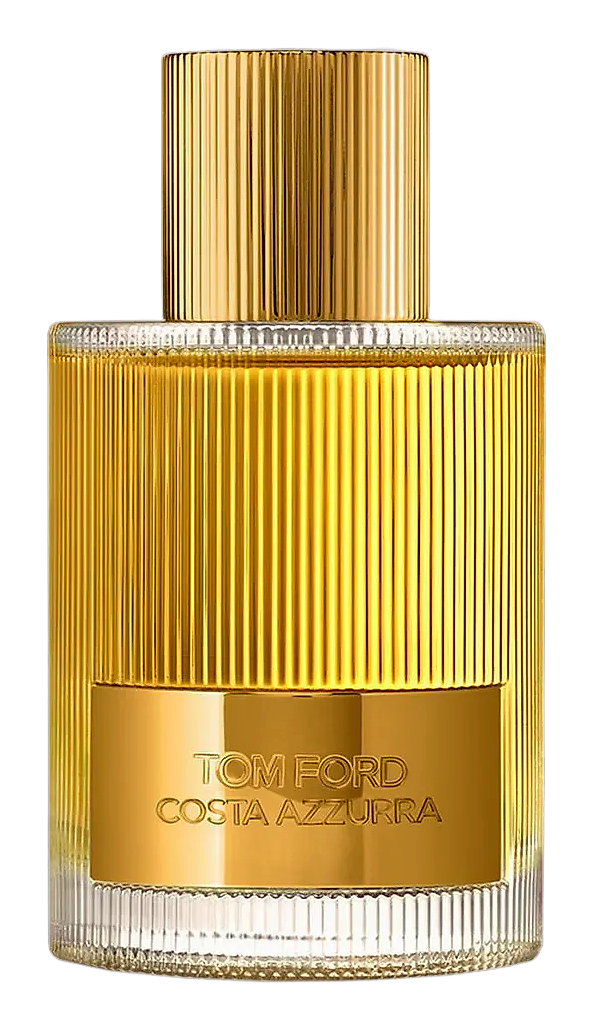
Fragrances featuring Myrtle




Good to know
Questions, answered
The essentials on Myrtle in perfumery: how it smells, where it comes from, and how it behaves on skin.
What does myrtle smell like?
Myrtle smells green, camphoraceous, and subtly fruity. The aroma evokes fresh eucalyptus with herbal and slightly sweet undertones. As a top-to-heart note, it brings brightness and aromatic complexity to fragrances.
Where does myrtle essential oil come from?
Myrtle essential oil comes from steam distillation of the leaves and flowering tops of Myrtus communis. Major producers include Morocco, Tunisia, and Corsica, where the plant grows wild across dry, rocky Mediterranean hillsides.
What perfumes feature myrtle?
Myrtle appears in aromatic fougères like Acqua di Parma Colonia Quercia and Miller Harris Bois de Myrrhe. It also features in Ann Gérard Myrique d'Amour and pairs with lavender and oakmoss in classic masculine compositions.
Is myrtle related to other fragrance ingredients?
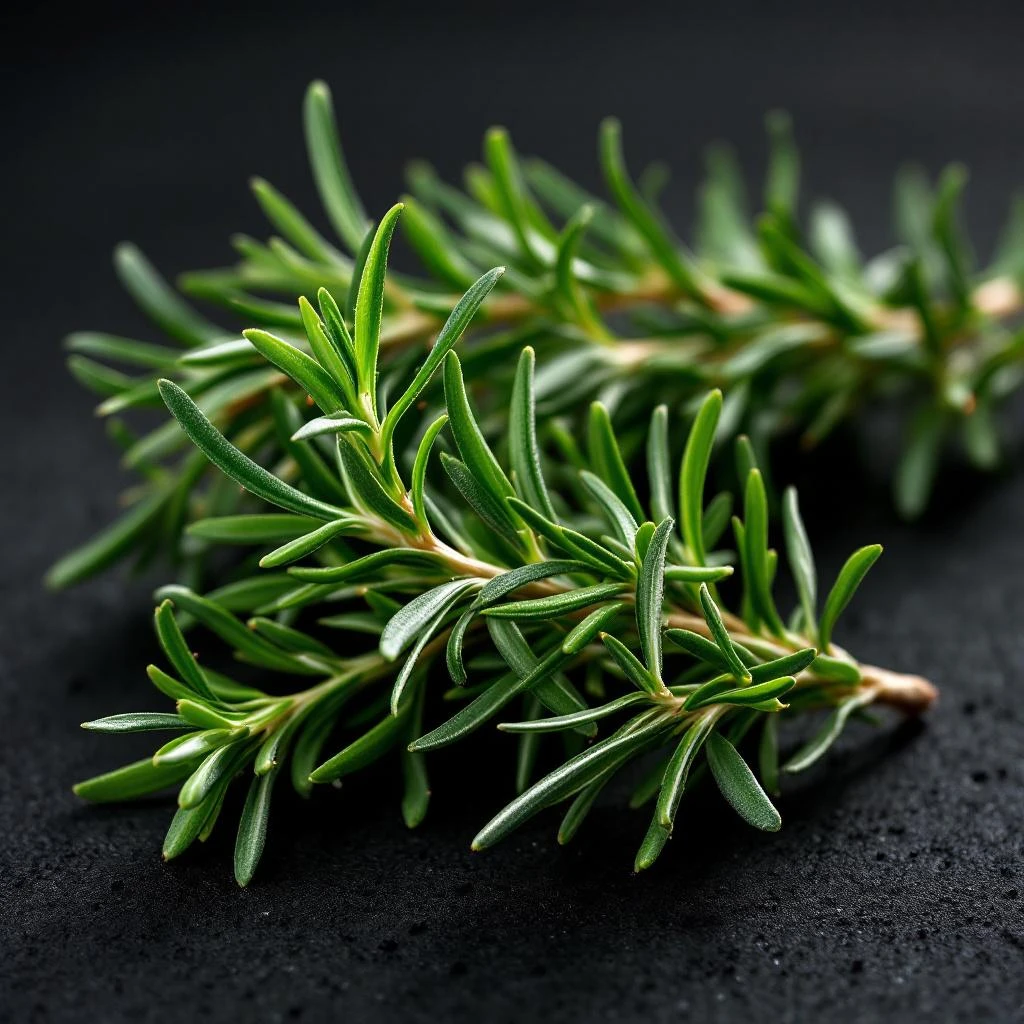
Myrtle shares aromatic kinship with eucalyptus, bay leaf, and rosemary, all Mediterranean plants with camphoraceous character. Unlike these relatives, myrtle carries a distinct fruity facet that adds uniqueness.
What is the difference between myrtle essential oil and absolute?
Steam distillation produces myrtle essential oil with a fresh, green, camphoraceous character. Solvent extraction yields myrtle absolute, which is richer and more complex but used less frequently due to cost.
Why is myrtle significant in perfumery?
Myrtle has been used since ancient Mediterranean times, associated with Venus and love goddesses. Its green, camphoraceous character brings aromatic freshness to fougères and chypres, remaining a relatively rare and distinctive ingredient.
What part of the myrtle plant is used in perfumery?
The leaves and flowering tops are used in perfumery, harvested in summer when oil content peaks. Twigs and berries are not typically used for fragrance production.
Can myrtle be used in natural perfumery?
Yes, myrtle essential oil is available for natural perfumery. Both the essential oil and absolute are natural extracts. The absolute requires solvent extraction, so some natural perfumers prefer steam-distilled oil.