The Story
Why it exists.
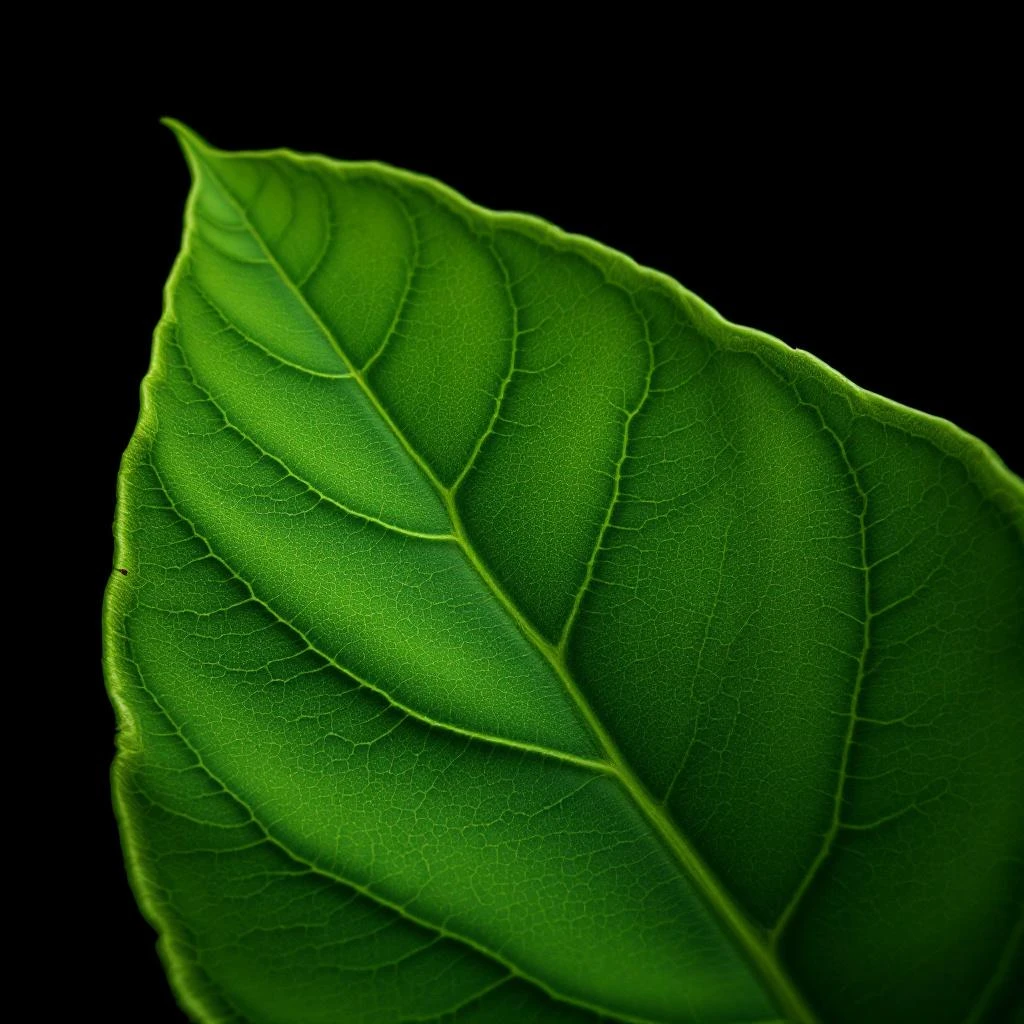
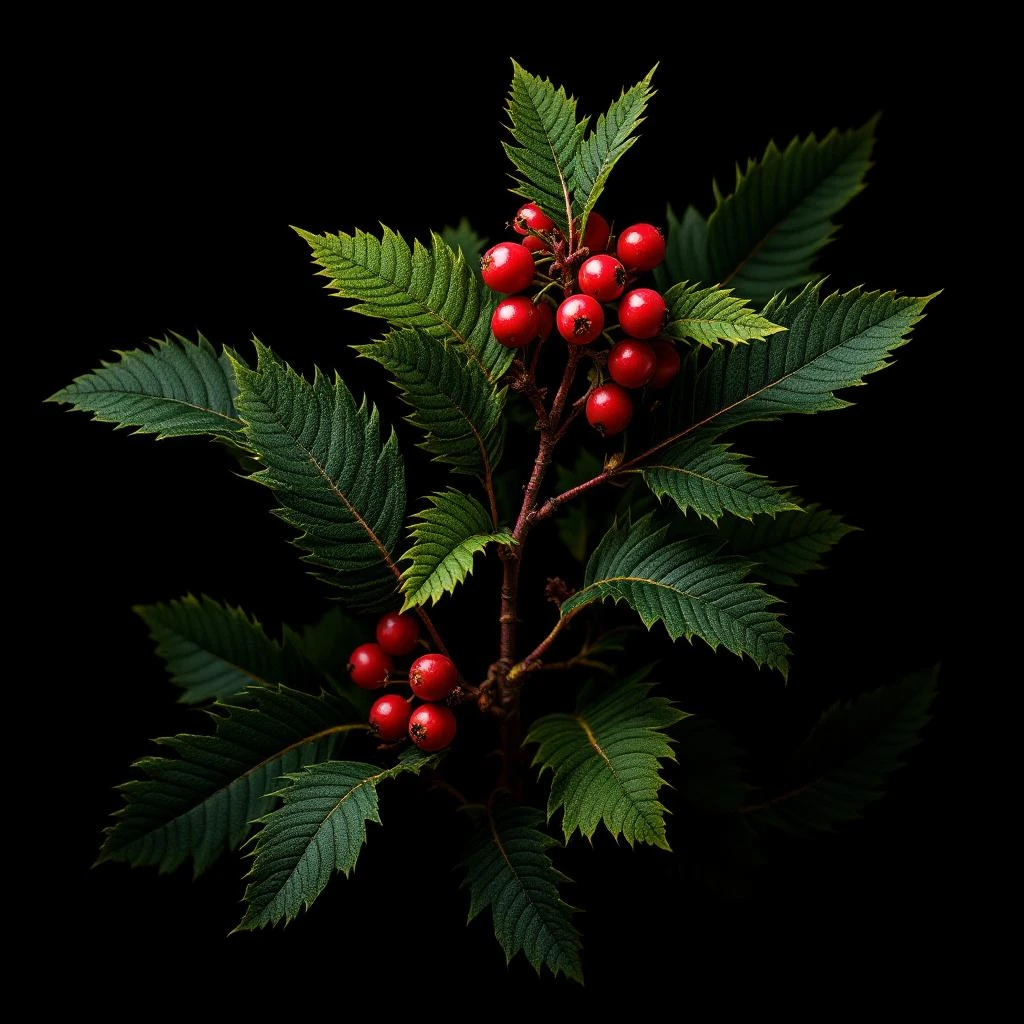
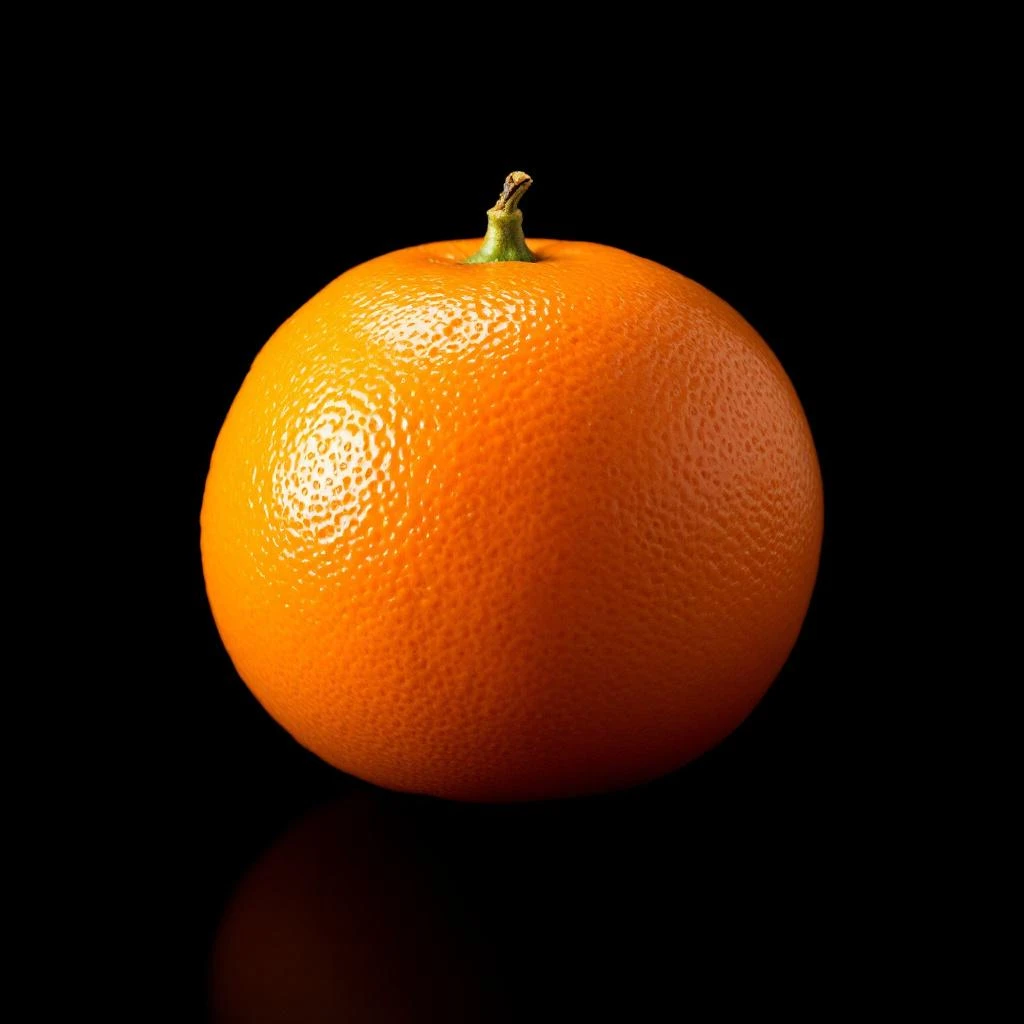
Jardin Blanc was born in 1988 from Jean Laporte’s desire to capture the quiet intimacy of a Mediterranean garden at dusk. The name, meaning “White Garden,” evokes the pale glow of blossoms as the sun fades. Laporte layered fresh green leaf and myrtle with a splash of mandarin orange to suggest the first rustle of foliage, then let jasmine, tuberose, ylang‑ylang and orange blossom bloom together, creating a celestial white‑floral heart. A whisper of clove adds a subtle spice, while the base of musk, sandalwood and oakmoss grounds the composition, echoing the stone paths of the garden.
If this were a song
Community picks
Clair de Lune
Claude Debussy
The Beginning
Jardin Blanc was born in 1988 from Jean Laporte’s desire to capture the quiet intimacy of a Mediterranean garden at dusk. The name, meaning “White Garden,” evokes the pale glow of blossoms as the sun fades. Laporte layered fresh green leaf and myrtle with a splash of mandarin orange to suggest the first rustle of foliage, then let jasmine, tuberose, ylang‑ylang and orange blossom bloom together, creating a celestial white‑floral heart. A whisper of clove adds a subtle spice, while the base of musk, sandalwood and oakmoss grounds the composition, echoing the stone paths of the garden.
The combination of green leaf and myrtle gives the opening an almost verdant crispness rarely heard in classic white‑floral scents, while mandarin orange injects a fleeting citrus sparkle that brightens the composition. In the heart, tuberose and jasmine compete for dominance, but the addition of ylang‑ylang and orange blossom softens the intensity, creating a balanced bouquet that feels both airy and lush. The oakmoss base adds an earthy, slightly damp quality, recalling the garden’s stone walkways after a light rain.
The Evolution
The opening unfolds in the first ten minutes with a bright, green rush: leaf‑green and myrtle snap awake, while mandarin orange adds a citrus zing that feels like sunrise through foliage. By the ten‑to‑forty minute mark, the green fades and the white‑floral heart erupts; jasmine and tuberose swirl with ylang‑ylang and orange blossom, while clove whispers a warm spice that keeps the bouquet from becoming airy. As the perfume settles after forty minutes, the base emerges: musk provides a soft animalic veil, sandalwood adds creamy wood, and oakmoss introduces an earthy, slightly damp stone‑path note. This dry‑down lingers for eight to ten hours, leaving a gentle, lingering trace that feels like the garden’s memory after the last light has faded.
Cultural Impact
Since its 1988 debut, Jardin Blanc has become a quiet staple among enthusiasts of classic French garden fragrances. Its balanced green‑to‑floral transition sets it apart in the Les Fleurs Divines line, earning mentions in niche perfume forums as the go‑to scent for twilight strolls. Wearers often describe it as the olfactory equivalent of a serene Mediterranean evening, making it a favorite for intimate gatherings and relaxed summer nights.
The House
France · Est. 1988
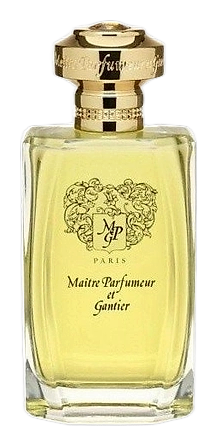
Maître Parfumeur et Gantier is a French niche perfume house founded in 1988 by Jean‑François Laporte, a veteran of the 1970s perfume renaissance. The brand’s name pairs the historic craft of glove‑making with perfumery, signalling a dedication to refined, tactile elegance. Over three decades the house has released a steady stream of olfactory narratives, from the amber‑rich Ambre Précieux (1988) to the recent Oud Extravagant (2018). Its catalogue balances classic French structure with daring ingredient pairings, appealing to collectors who value depth over trend.
If this were a song
Community picks
The scent feels like a twilight stroll through a fragrant garden, soft, elegant, with a hint of green freshness. The primary track, Claude Debussy’s “Clair de Lune,” mirrors its gentle, luminous character.
Clair de Lune
Claude Debussy