Character
The Story of Leaf green
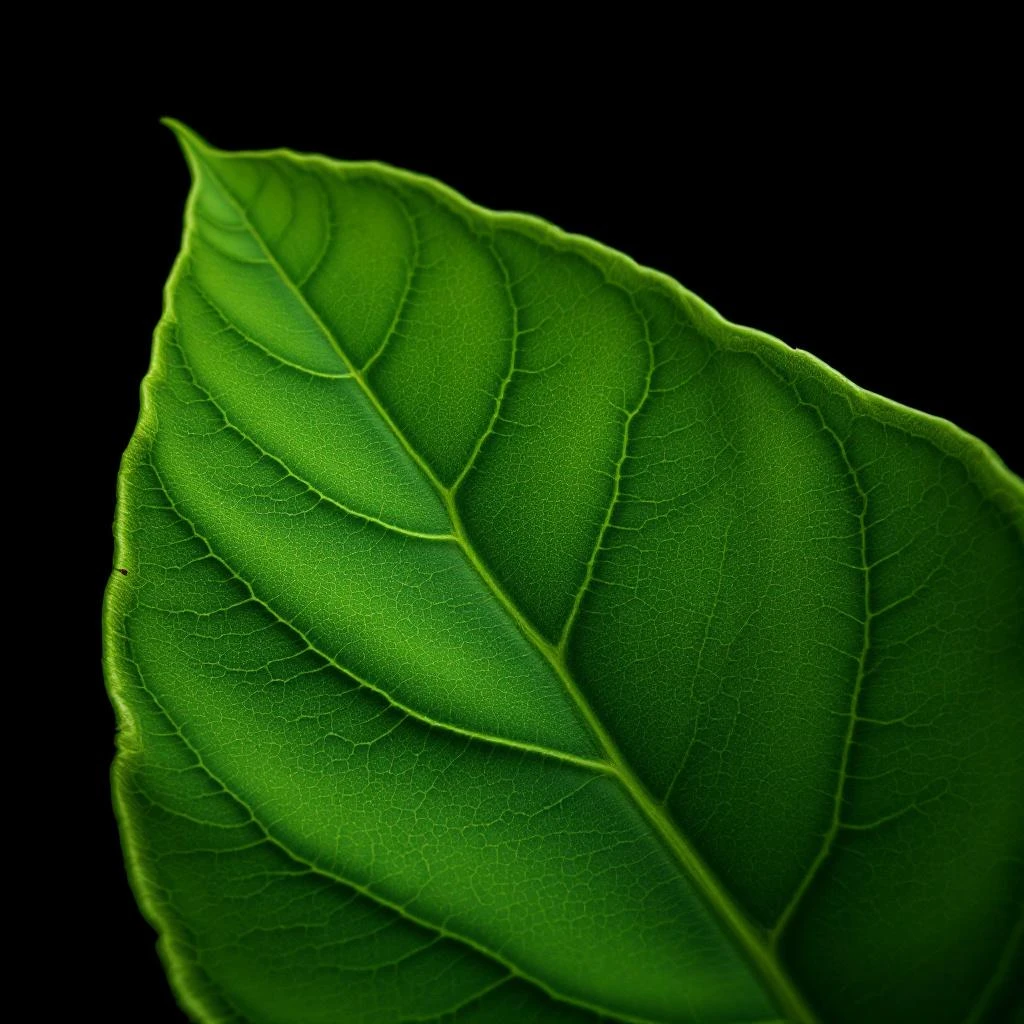
Leaf green captures the instant a blade of grass snaps—bright, sharply alive. This crisp, cut-vegetal note pulses through compositions as fresh and immediate as a spring morning in a meadow.
Heritage
The green note emerged as a formal perfumery category in 1959, when chemists first isolated cis-3-hexenol and realized they had captured the precise scent of freshly cut grass. Before this breakthrough, perfumers achieved green effects through galbanum resin, a material used since ancient Mesopotamia and Egypt—archaeological findings show galbanum in ceremonial incense discovered in Egyptian tombs dating to 1500 BCE. Medieval Arabic physicians prescribed galbanum for respiratory conditions, while Renaissance European apothecaries valued it similarly. The true revolution came mid-20th century: Chanel introduced the green chypre concept with a bold galbanum overdose, and shortly after, Christian Dior's Diorissimo built its entire identity around crisp, living greenness. Today, the leaf green family spans everything from delicate violet-leaf softness to the razor-sharp cut-grass accords found in contemporary aquatic and fougère compositions.
At a Glance
3
Feature this note
Iran
Primary source region
Ingredient Details
Steam distillation (galbanum resin); Solvent extraction (violet leaf); Synthetic production (cis-3-hexenol and derivatives)
Root sap (galbanum); Fresh leaves (violet, fig, tomato); Synthesized aroma chemicals
Did You Know
"The molecule cis-3-hexenol, nicknamed "leaf alcohol," was first isolated in 1959 and now appears in over 80% of modern green fragrances."