Jean Laporte
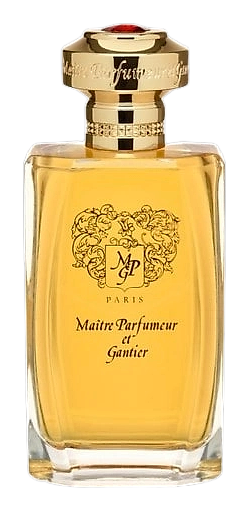
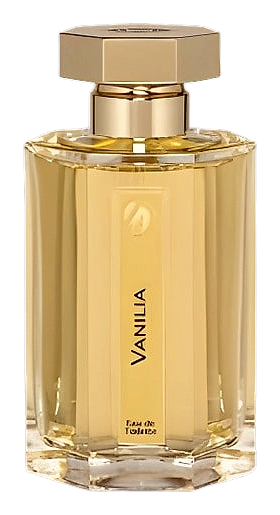
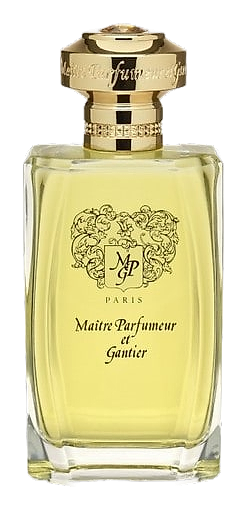
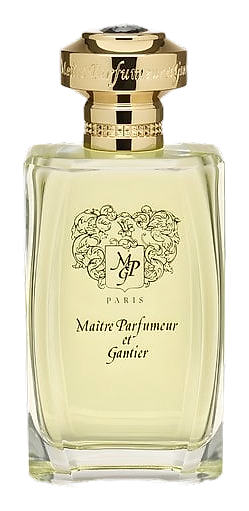
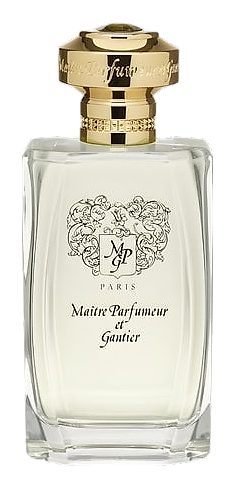
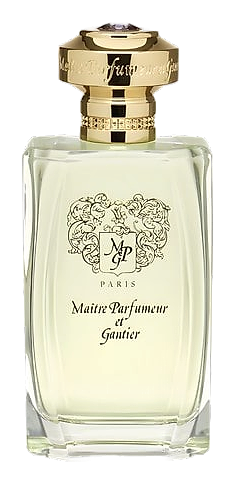
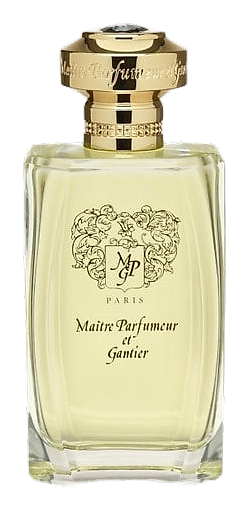
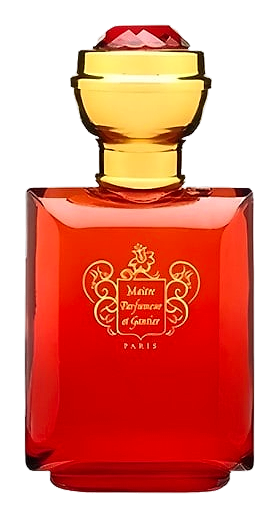
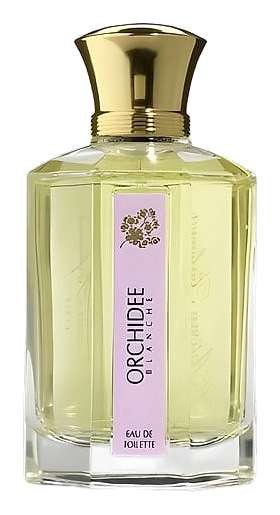
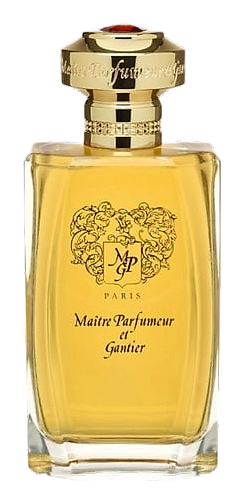
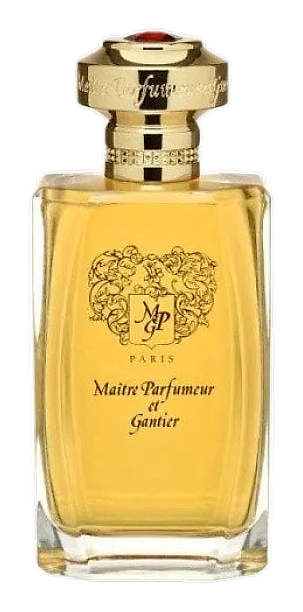
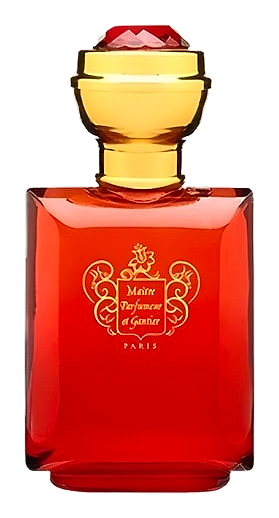
Jean Laporte grew up in the rolling hills of Normandy, where his mother kept a modest herb garden and his father tinkered with laboratory glassware. By age twelve he was mixing simple extracts, a habit that led him to study chemistry at the University of Paris. The rigor of molecular science gave him a precise vocabulary for scent, but his heart remained in the stories that aromas could tell. In 1976 he opened the first L'Artisan Parfumeur boutique on rue de Grenelle, a modest space that quickly became a laboratory for curiosity. He invited artisans, collectors, and travelers to share rare ingredients, turning the shop into a living archive of raw materials. The debut of "Bois de Jasmin" in 1978 announced a new voice in French perfumery—one that prized authenticity over trend. After a decade of nurturing a community of independent noses, Laporte launched Maître Parfumeur et Gantier in 1988, a venture that let him explore richer, more experimental accords. Though he stepped back from daily formulation in the 1990s, his influence still guides the houses he founded, and his name remains synonymous with the brave, tactile approach that reshaped modern fragrance.
The hits
Notable creations
The signature
How Jean composes
Laporte favors a tactile palette built around natural absolutes, aged woods, and unprocessed essences. He often begins with a single anchor—such as Madagascar vanilla, cedar from the Atlas, or a wild jasmine extract—and constructs layers that echo the anchor’s texture. His signatures include the use of raw, unfiltered extracts that retain subtle imperfections, and a preference for slow evaporation notes that evolve over hours. He pairs bright green top notes with deep, mineral bases, creating a contrast that feels both grounded and airy. In the lab he works by hand, measuring with glass pipettes, and he records each trial in a leather‑bound notebook, a habit that keeps his process intimate and deliberate.
Philosophy
What drives Jean
Laporte treats a perfume like a conversation between the earth and the laboratory. He believes that every molecule carries a memory, and that a true scent must honor its origin while inviting the wearer to add their own chapter. He avoids synthetic shortcuts unless they serve a narrative purpose, preferring ingredients that have traveled a hand‑to‑hand lineage. For him, the act of blending is an act of listening; he lets a raw material reveal its character before deciding where it fits. This respect for provenance fuels his relentless search for forgotten botanicals, remote resins, and vintage archives. He says a fragrance should feel like a well‑worn book, familiar yet always offering a new page to turn.
The houses
Maisons Jean composes for
In the same league