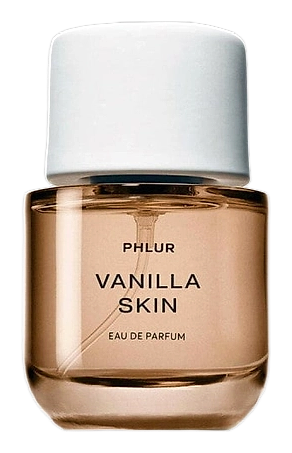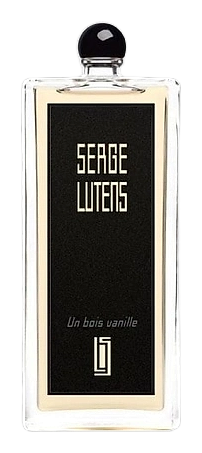
The Story
Why it exists.
The beginning
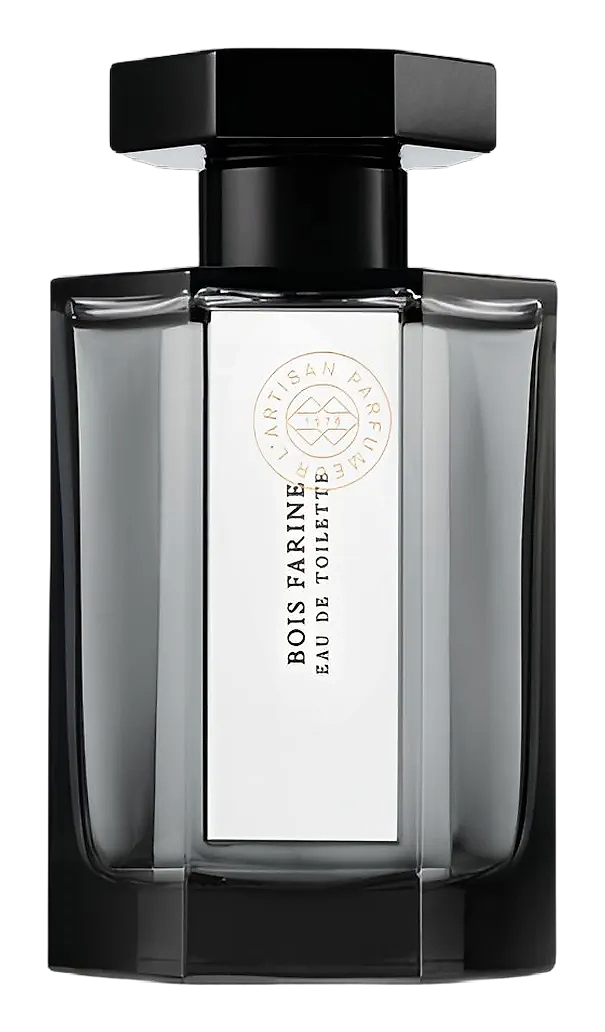
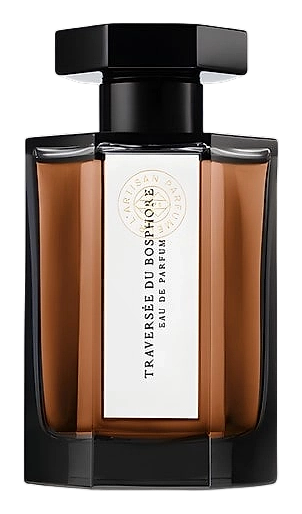
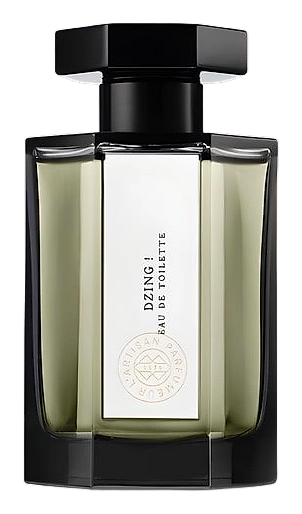
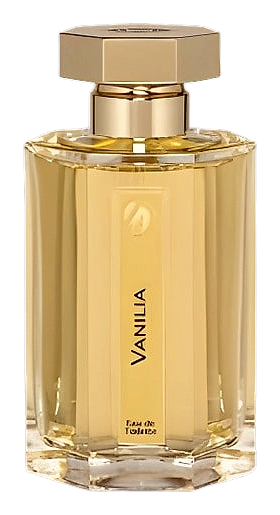
Vanilia arrived in 1978 as one of L'Artisan Parfumeur's earliest compositions, the house founded just two years prior by Jean Laporte with a quiet radical agenda: make perfume that felt personal, not mass-produced. Laporte trained as both chemist and perfumer in Grasse before bringing that intimacy to Paris, opening his first boutique on Rue de Grenelle in 1979. Vanilia was the second signal that the house meant business, a fragrance built around vanilla when vanilla was still considered nostalgic, even old-fashioned. Most perfumes of that era treated vanilla as a background whisper, a fixer, something that held the real fragrance together. Laporte saw it differently. He saw it as the point.
The innovation was in the material. Vanilia was the first perfume to use ethylmaltol, a synthetic compound that smells of caramel, cotton candy, butterscotch. Natural maltol occurs when malt is roasted; ethylmaltol amplifies that impression four to sixfold. Laporte didn't reach for vanilla absolute or vanilla tincture. He reached for something that could render vanilla's warmth with almost unsettling precision. Combined with ylang-ylang's honeyed floral depth and sandalwood's creamy wood, the result was a vanilla that felt simultaneously warm and exotic, grounded and slightly animal. It was a formulation that would influence an entire genre, the gourmand family, decades before that category had a name.
The evolution
The opening hits first: ethylmaltol's sugar rush, caramel and something almost like burnt cotton candy. It's sweet, but ylang-ylang arrives quickly to add its own weight, a thick, heady floral that tempers the sweetness before it becomes cloying. For the first thirty minutes, the composition feels like it's arguing with itself: sweet against heady, soft against strong. Then the sandalwood steps in. Creamy, almost coconut-like, it smooths everything into a single warm current. The drydown is where Vanilia earns its reputation. Sweetness fades. Warmth doesn't. Sandalwood and vanilla linger close to the skin for hours, six, seven, sometimes eight, moderate sillage meaning it stays with you, not the room.
Cultural impact
Vanilia sits quietly in fragrance history, not a blockbuster, not a cult classic, but something more interesting: a precursor. Its use of ethylmaltol in 1978 predated the gourmand movement by decades, influencing how perfumers would later approach sweet, edible notes. The fragrance doesn't shout for attention. It rewards the wearer who finds it.