The Story
Why it exists.
The beginning
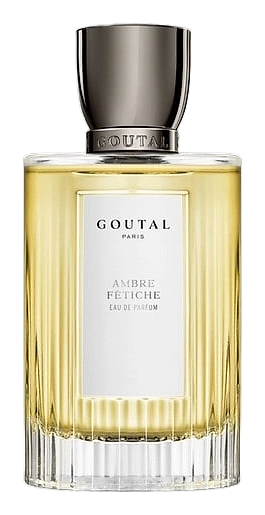
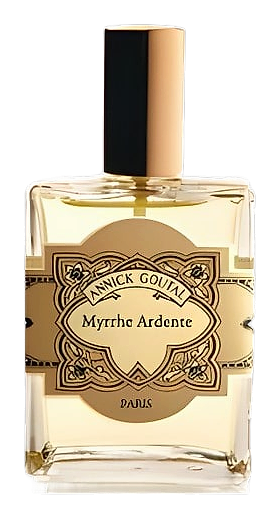
The name says everything. Myrrhe Ardente, burning myrrh, perfervid myrrh, arrives as the third entry in Les Orientaistes, Goutal's 2007 trio of oriental studies. The collection frames itself around classical orientalist painting: amber, frankincense, myrrh as ancient materials reinterpreted through a modern French sensibility. Each fragrance takes one material and strips it to its essence. Myrrhe Ardente is the warmest of the three, built for those who want intimacy over impact. Camille Goutal and house perfumer Isabelle Doyen composed it together, threading myrrh through the opening and the base, a structural echo that makes the drydown feel inevitable rather than accidental.
What makes Myrrhe Ardente unusual is the consistency of its direction. Benzoin, tonka bean, beeswax, all sweet, warm, resinous companions that amplify myrrh's honey-warmth rather than its medicinal sharpness. This is myrrh domesticated without losing its depth. The choice to use myrrh in both the opening and the base is rare; it creates a structural loop rather than a linear progression, so the fragrance arrives warm and departs warm. A single-minded vision, for those who find myrrh's sharper expressions too much and want the resin without the bite.
The evolution
The opening is sticky and immediate, benzoin's balsamic sweetness softened by tonka bean's vanilla-adjacent warmth. Within minutes, myrrh arrives with its characteristic medicinal depth: that slightly sharp, slightly sweet resin quality that is unmistakably itself. The heart deepens as guaiac wood and vetiver add a smoky, woody counterpoint beneath. Then the base: beeswax takes over the drydown. Not sharp beeswax, not chemical beeswax, honey-warm beeswax that clings to skin for hours. This is what burning resins smell like in a small room. Intimate. Sweet. Unapologetically warm. Moderate sillage throughout means this fragrance does not announce itself. It arrives and then it stays.
Cultural impact
Les Orientaistes was Goutal's deliberate turn toward classical perfumery materials, amber, frankincense, myrrh, framed as oriental studies rather than orientalist pastiche. The collection sits outside the trends of its era, neither chasing the booming oud market nor retreating into safe florals. Myrrhe Ardente's particular appeal is to those drawn to resinous warmth without aggression: meditative rather than performative, intimate rather than projecting.