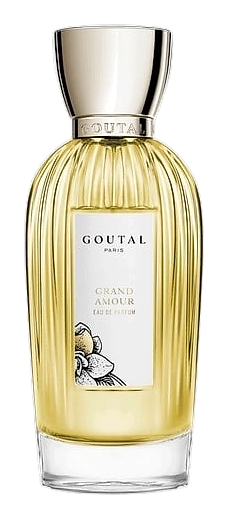
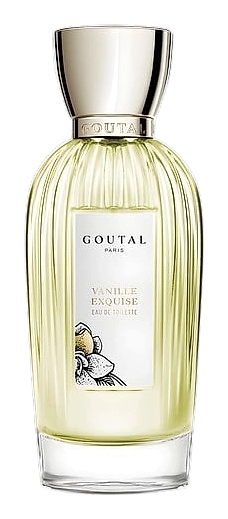
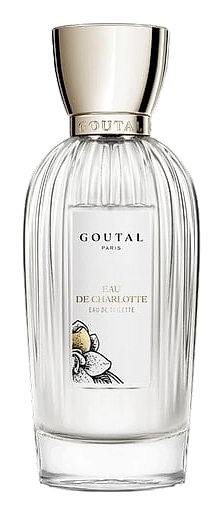
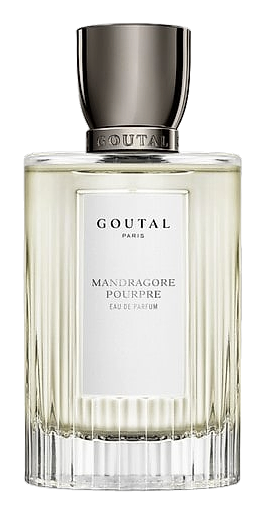
    Brand Profile

    Annick Goutal, now known as Goutal Paris, is a French niche perfume house that blends personal storytelling with classic French perfumery. F…More

    France·Est. 1980·Site

    5

    Fragrances

    4.0

    Rating

    50
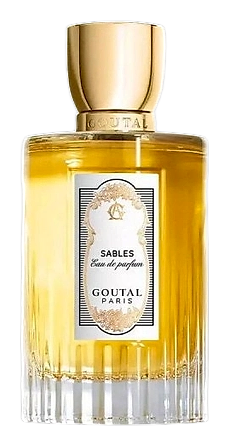
    Sables by Goutal
    4.2

    Sables

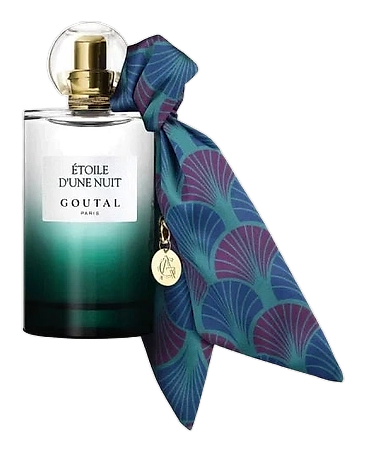
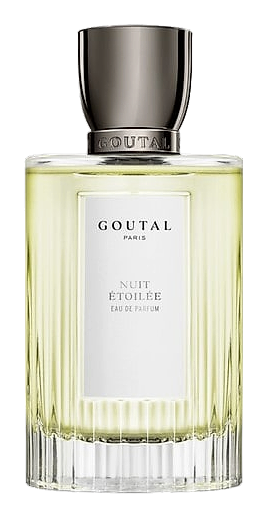
    Étoile d'Une Nuit by Goutal
    4.1

    Étoile d'Une Nuit

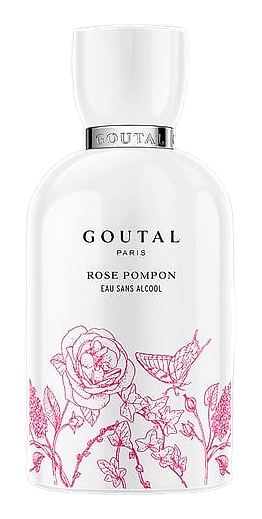
    Rose Pompon Eau sans Alcool by Goutal
    Best Seller
    4.5

    Rose Pompon Eau sans Alcool

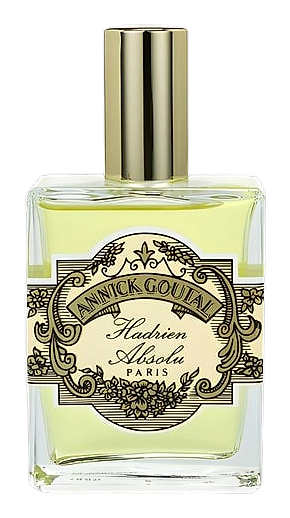
    Hadrien Absolu by Goutal
    Best Seller
    4.5

    Hadrien Absolu

    Rose Oud Absolu by Goutal
    Best Seller
    4.4

    Rose Oud Absolu

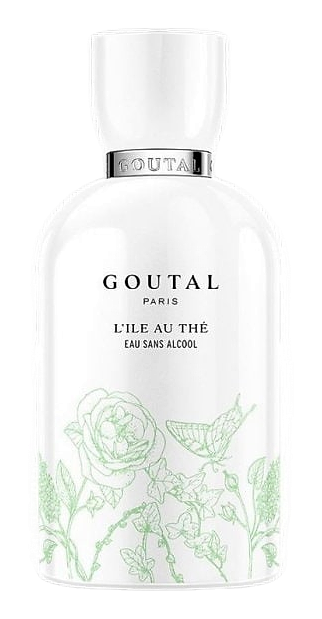
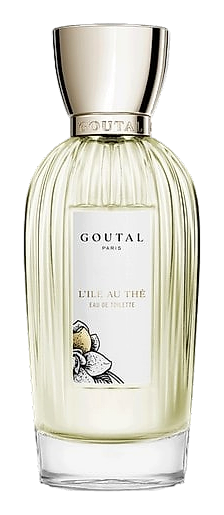
    L’Ile au Thé Eau sans Alcool by Goutal
    4.4

    L’Ile au Thé Eau sans Alcool

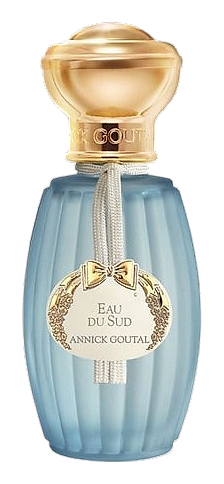
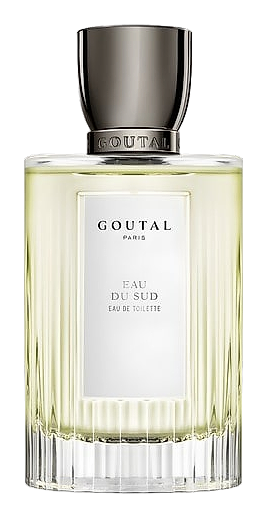
    Dolce Vita Collection Eau du Sud by Goutal
    4.4

    Dolce Vita Collection Eau du Sud

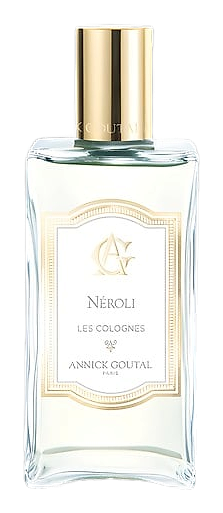
    Les Colognes Neroli by Goutal
    4.4

    Les Colognes Neroli

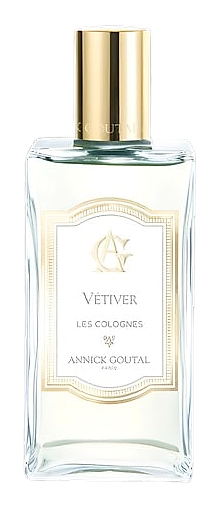
    Vetiver by Goutal
    4.3

    Vetiver

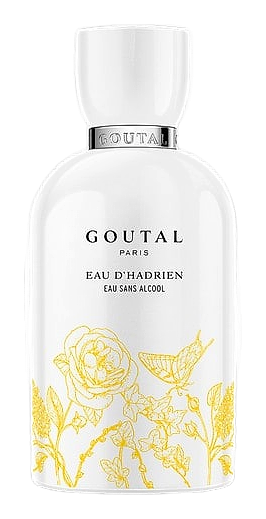
    Eau d'Hadrien Eau sans Alcool by Goutal
    4.3

    Eau d'Hadrien Eau sans Alcool

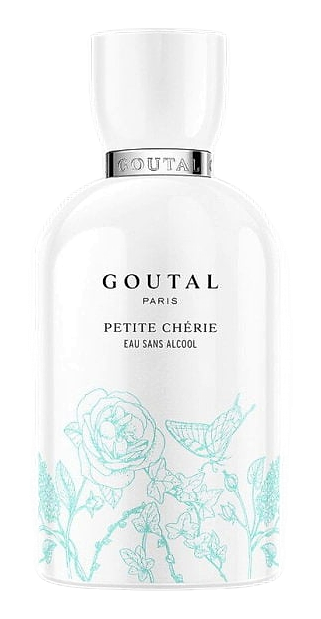
    Petite Chérie Eau sans Alcool Goutal by Goutal
    4.3

    Petite Chérie Eau sans Alcool Goutal

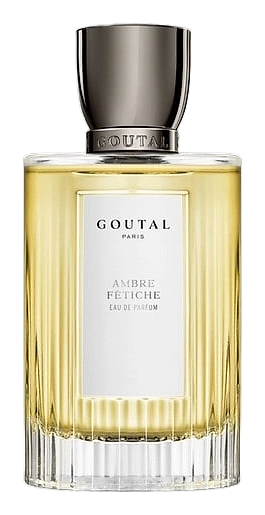
    Ambre Fétiche by Goutal
    4.3

    Ambre Fétiche

    1 of 5

    The Heritage

    The Story of Goutal

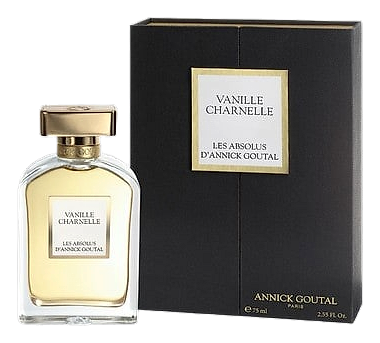
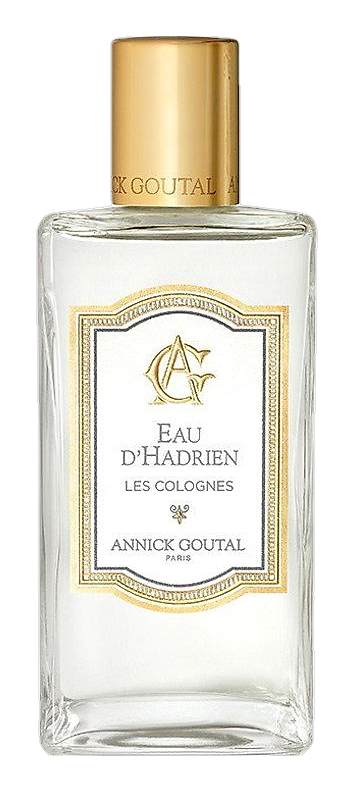
    Annick Goutal, now known as Goutal Paris, is a French niche perfume house that blends personal storytelling with classic French perfumery. Founded at the turn of the 1980s, the brand quickly earned a reputation for intimate fragrances that echo memories of gardens, travel and music. Its catalogue spans timeless citrus blends such as Eau d’Hadrien, aromatic vetiver, and modern alcohol‑free lines like Rose Pompon Eau sans Alcool. The house remains family‑run, with daughter Camille Goutal steering the creative direction while honoring her mother’s poetic legacy.

    Heritage

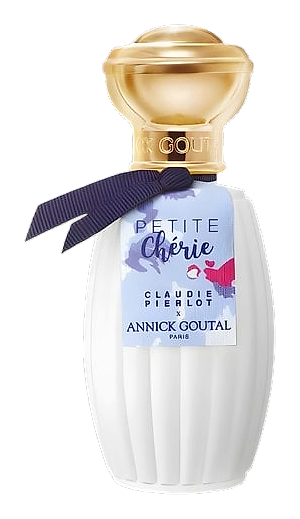
    Annick Goutal launched her eponymous perfume house in Paris in 1980 after a career that spanned piano performance, modeling and antique dealing. A personal tragedy – the loss of her son – prompted her to channel grief into scent, a practice she described as “writing with fragrance”. The first public release arrived in 1981 with Eau d’Hadrien, a citrus‑rich unisex fragrance that quickly entered French department stores and set the tone for the brand’s emphasis on clarity and emotional resonance. In 1985 the house introduced Vetiver, one of the earliest modern vetiver fragrances, cementing its reputation for reinterpreting classic raw materials. The 1990s saw the launch of romantic compositions such as Petite Chérie and the introduction of the first limited‑edition bottle designs that referenced vintage French apothecary glass. Annick Goutal passed away in 1999; her daughter Camille Goutal assumed leadership, preserving the founder’s diary‑like approach to scent while expanding the portfolio. In 2016 Goutal released the Dolce Vita Collection, a series that paired Italian summer imagery with fresh, sun‑kissed accords. The house embraced alcohol‑free technology in 2018, unveiling Rose Pompon Eau sans Alcool and L’Ile au Thé Eau sans Alcool, reflecting a growing consumer interest in skin‑friendly formulations. A formal rebrand to Goutal Paris occurred in 2022, aligning the label with contemporary market positioning while retaining the original monogram. Throughout its four‑decade history the house has maintained a boutique presence in Paris, with flagship salons that offer personalized fragrance consultations, a practice that traces back to Annick’s original desire to create intimate, memory‑laden olfactory experiences.

    Craftsmanship

    Goutal oversees the entire creation cycle, from raw material selection to final bottling, within its Paris atelier. The house sources botanical extracts from growers who practice organic or biodynamic methods, especially for key notes such as rose, neroli and vetiver. When possible, Goutal commissions small‑batch distillations, ensuring that each aromatic component retains its native nuance. The formulation stage takes place under the guidance of a senior perfumer who blends natural absolutes with synthetics that meet strict safety standards set by the International Fragrance Association. Quality control includes blind panel testing with a rotating group of fragrance consultants, a practice that dates back to Annick’s original habit of sharing samples with friends for honest feedback. Once a formula is approved, the perfume is mixed in stainless‑steel vats at controlled temperature, a step that preserves volatile top notes. The house then transfers the blend into hand‑blown French crystal bottles, a process that involves a glassblower who shapes each vessel in a single breath, creating a uniform silhouette across the range. Caps are crafted from brushed aluminum or natural wood, selected for tactile comfort. For the alcohol‑free collection, Goutal employs a water‑based emulsion technology that stabilizes essential oils without compromising longevity. Each batch undergoes a final organoleptic assessment before sealing, guaranteeing that the scent that leaves the boutique matches the creator’s original intention.

    Design Language

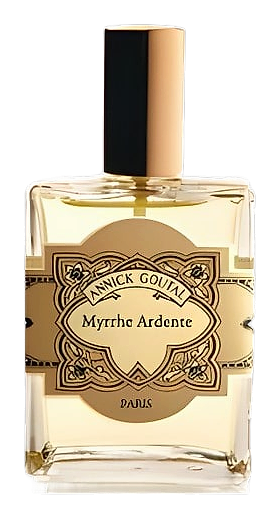
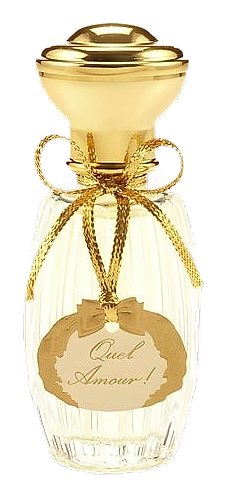
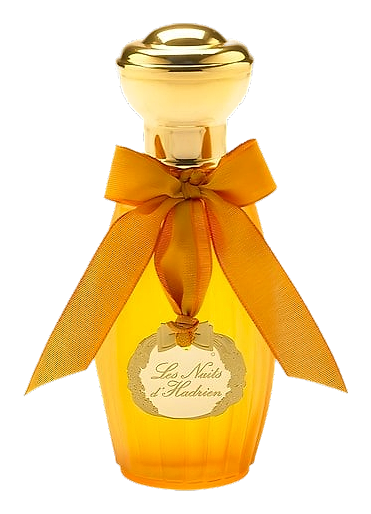
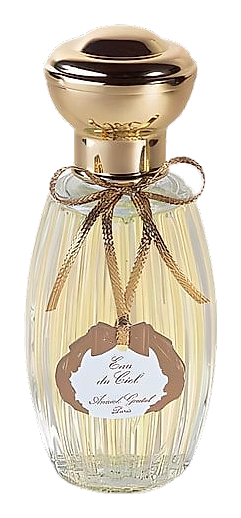
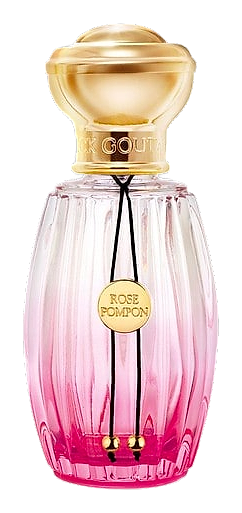
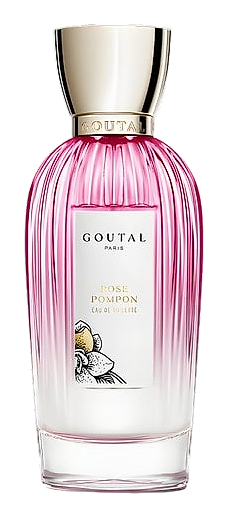
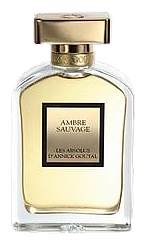
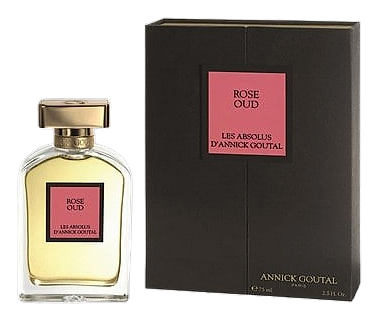
    The visual language of Goutal mirrors its narrative focus, favoring clean lines and muted palettes that let the perfume speak for itself. Early bottles featured vintage‑inspired amber glass with simple, serif lettering, evoking the look of 19th‑century apothecary vials. In the 2000s the house introduced a series of pastel‑tinted flacons, each hue tied to the fragrance’s emotional theme – for example, a soft rose pink for Rose Pompon and a muted teal for L’Ile au Thé. The current Goutal Paris collection adopts a minimalist aesthetic: clear, high‑gloss crystal bottles capped with brushed aluminum or walnut wood, each bearing the house’s monogram in understated gold foil. Typography across packaging uses a classic sans‑serif typeface that balances modernity with heritage. Store interiors echo this approach, with white walls, reclaimed wood counters and soft, diffused lighting that encourages quiet contemplation. Visual campaigns often employ black‑and‑white photography, focusing on intimate moments such as a hand holding a bottle or a close‑up of a blooming flower, reinforcing the brand’s emphasis on personal memory rather than overt glamour.

    Philosophy

    Goutal’s creative philosophy treats each perfume as a diary entry, a snapshot of a feeling or place. The house encourages perfumers to translate personal anecdotes into aromatic language, a method inherited from Annick’s habit of noting emotions in a notebook before formulating a scent. Transparency guides ingredient choices; the brand favors natural extracts that can be traced to specific terroirs, whether Provençal lavender or Indian sandalwood. Sustainability informs packaging decisions, leading to recyclable glass and minimalistic labels that echo the simplicity of a handwritten note. Goutal also values the ritual of application, designing sprays and roll‑ons that invite the wearer to pause and reflect. The brand’s recent alcohol‑free line reflects a belief that fragrance should coexist gently with skin, offering a lighter veil that still conveys narrative depth. Collaboration remains selective; the house works with perfumers who share a reverence for storytelling, allowing creative freedom within a framework that respects the house’s heritage. Ultimately, Goutal aims to create scents that act as emotional bookmarks, reminding users of a summer garden, a distant shore, or a cherished melody.

    Key Milestones

    1980

    Annick Goutal establishes the Maison Goutal in Paris, transitioning from a career in music and antiques to perfumery.

    1981

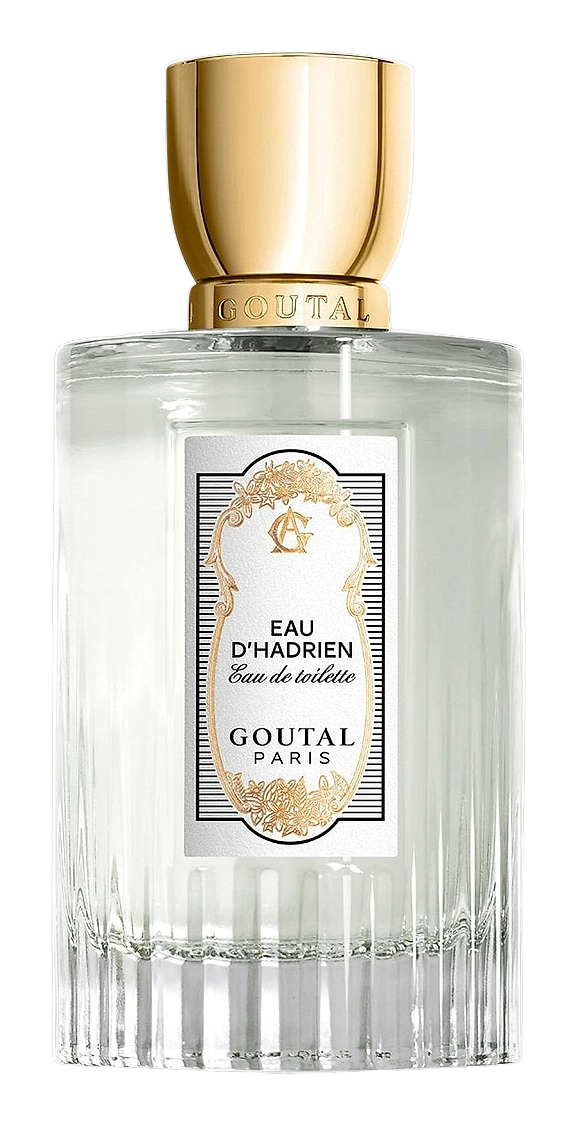
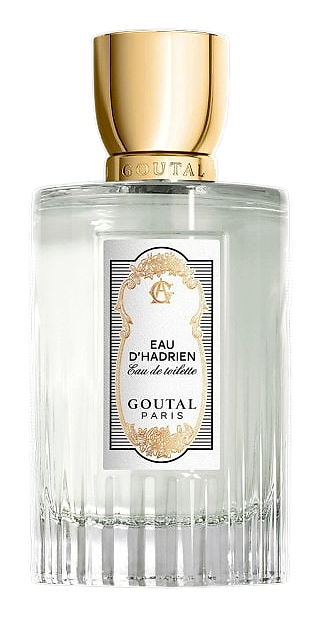
    Launch of Eau d’Hadrien, the house’s first fragrance, which becomes a staple in French department stores.

    1985

    Vetiver debuts, marking one of the earliest modern interpretations of the ingredient.

    1999

    Founder Annick Goutal passes away; daughter Camille Goutal assumes leadership of the house.

    2016

    Dolce Vita Collection is released, celebrating Italian summer motifs with fresh accords.

    2018

    Alcohol‑free line launches, introducing Rose Pompon Eau sans Alcool and L’Ile au Thé Eau sans Alcool.

    At a Glance

    Brand profile snapshot

    Origin

    France

    Founded

    1980

    Heritage

    46

    Years active

    Collection

    5

    Fragrances released

    Avg Rating

    4.0

    Community sentiment

    Release Rhythm

    2020
    2
    2019
    2
    2018
    5
    2017
    3
    2016
    3
    2015
    4
    2014
    1
    2013
    3
    goutalparis.com

    Did You Know?

    Interesting Facts

    Distinctive details and defining moments that shape the house personality.

    01

    Annick Goutal composed many of her early fragrances while playing piano, believing that musical chords could translate into scent structures.

    02

    The house’s original bottles were hand‑blown by a single glassblower in a Paris workshop, a technique still used for limited‑edition releases.

    03

    Goutal maintains an archival library of over 3,000 scent strips, allowing perfumers to reference historic accords when creating new compositions.

    04

    The alcohol‑free formulations rely on a patented water‑based emulsion that stabilizes essential oils without the need for traditional solvents.

    05

    Camille Goutal introduced a personalized fragrance consultation service in the flagship boutique, echoing her mother’s practice of sharing scents with close friends.