
The Story
Why it exists.
The beginning
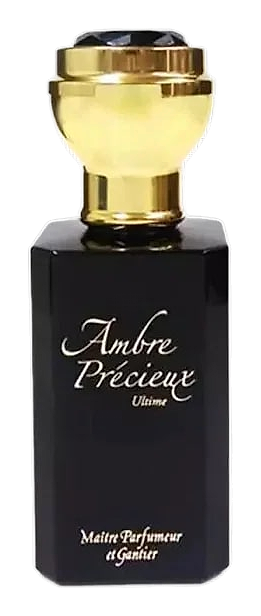
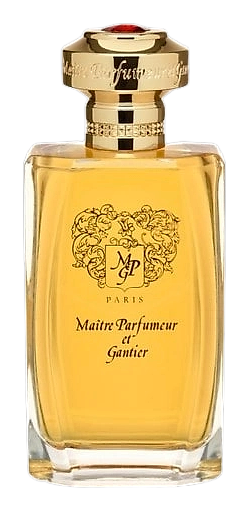
Ambre Précieux arrived in 1988 as one of the first statements from a house that had something to prove. Jean Laporte, trained in the ferment of 1970s French perfumery, then running his own operation, wanted a fragrance built around a single obsession: amber as the spine that nothing could break. The name says it all. Précieux means precious, and Laporte treated the amber accord as exactly that, the material everything else had to serve.
What makes Ambre Précieux distinctive isn't the amber itself. It's the balsams. Peru and Tolu don't amplify the amber, they modulate it, softening its edges while extending its presence deep into the wear. Vanilla provides the volume. Coumarin provides the texture. The result is a warm, enveloping scent that moves from herbal opening to creamy heart to balsamic close, never losing its intimate, close-to-skin character.
The evolution
The opening is cool and aromatic, lavender and myrtle arrive together, green and slightly medicinal. For the first fifteen minutes, the fragrance reads like something older, a little dusty. Then the vanilla and labdanum soften everything. The heart turns powdery, creamy, warm. Nutmeg surfaces quietly, adding a spiced quality without heat. By the time the drydown arrives, the Peru and Tolu balsams have taken over, honeyed, resinous, long-lasting. The ambergris keeps it grounded close to the skin. On most skin types, this fragrance holds for a full workday and into the evening. The final hours are quiet, resinous, powdery. A warm whisper rather than a declaration.
Cultural impact
Ambre Précieux arrived at a pivotal moment in French perfumery, representing Jean Laporte's vision for amber-forward compositions rooted in classical traditions while appealing to an emerging niche audience. The 1988 launch coincided with a broader cultural shift as consumers began seeking alternatives to mainstream commercial fragrances, making the house's debut slate particularly significant. The fragrance helped establish Maître Parfumeur et Gantier's reputation for creating distinctive Oriental compositions that prioritized craftsmanship over marketability, resonating with enthusiasts who valued the herbal precision of lavender-myrtle alongside balsamic warmth.