
The Story
Why it exists.
The beginning
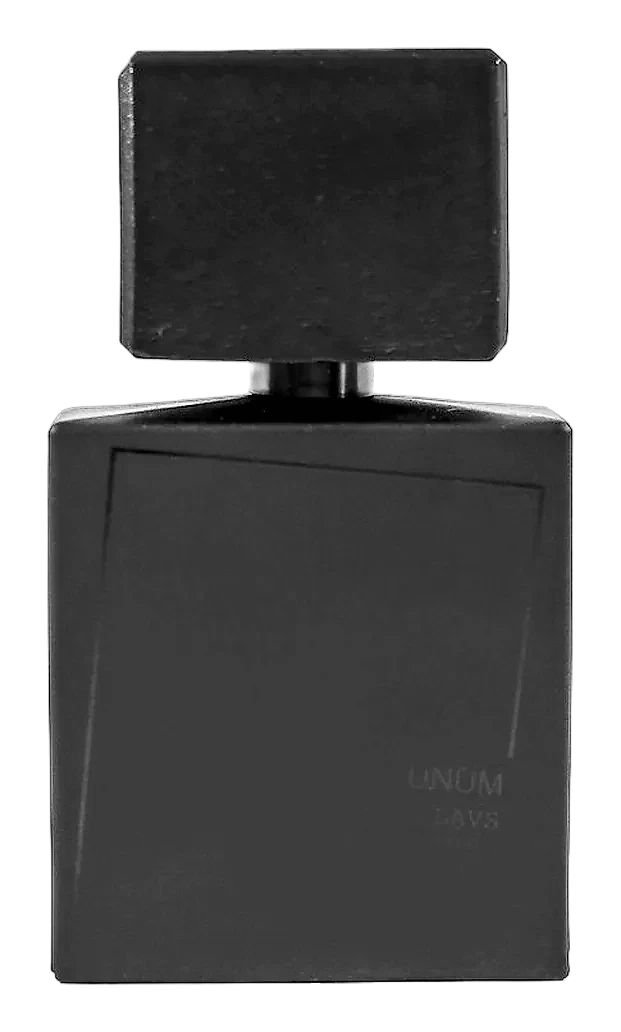
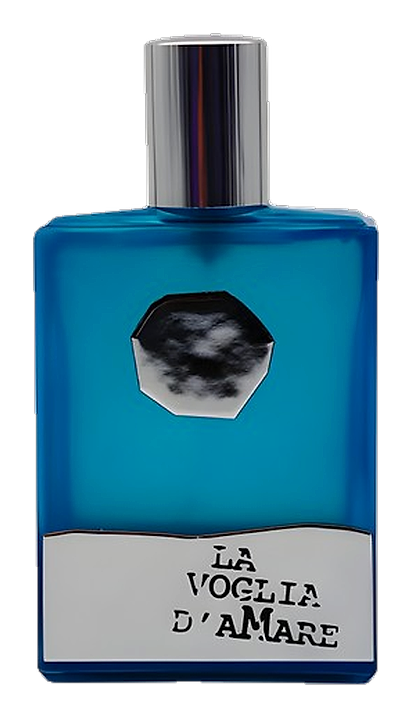
Filippo Sorcinelli founded LAVS in Milan in 2001, building on a workshop tradition that crafted sacred vestments before turning to fragrance. The house treats scent as a form of visual art, painting emotions and translating memory and ritual into wearable form. Each creation begins not with a brief but with a feeling, a fragment of experience that demands to be translated into something tangible. La Voglia d'aMare emerged from a phrase in Sorcinelli's own poetic sketch, a longing not for a beach but for the sea itself, for the specific atmosphere of dusk along a shoreline where wet asphalt meets sand and skin dissolves into blue smoke. The name captures a specific desire, something more cinematic and personal than a simple seaside reference would convey.
The note structure of La Voglia d'aMare reflects Sorcinelli's approach to pairing, where each element serves a specific emotional purpose rather than a purely olfactory one. Amber and musk create the foundation of warmth and intimacy that mirrors the comfort of longing itself. Coconut cream and orris root work together to balance creaminess with refinement, warmth with elegance. Mandarin orange and pine in the drydown translate the specific atmosphere of that dusk shoreline into scent, the brightness of citrus against the cool resin of coastal pine.
The evolution
The opening unfolds with amber warming against the skin, quickly joined by a clean musk that feels almost second-skin in its intimacy. Oakmoss provides a quiet earthiness, a nod to classic perfumery that grounds the initial impression without leaning into nostalgia. As the heart develops, coconut cream emerges with a sun-warmed quality that feels less like a tropical accent and more like the memory of warmth on skin. Orris root adds a powdery, violet-like nuance that creates a gentle contrast, introducing a refined stillness to the composition. The drydown shifts the trajectory with mandarin orange appearing bright against the fading creaminess, its citrus freshness cutting cleanly through the warmth. Pine arrives last, a cool resinous whisper that evokes the specific atmosphere of a shoreline at dusk, the scent of coastal air mingling with damp stone and late evening light.
Cultural impact
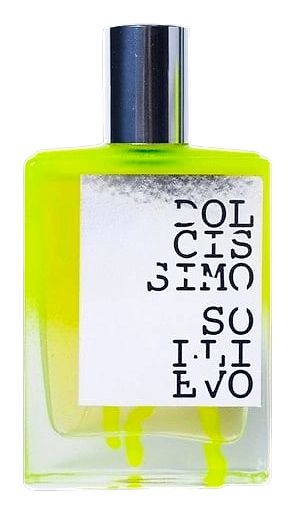
La Voglia d'aMare sits in the SuperFluo collection alongside other 2024 releases from the house. The combination of pine tar and coconut cream places it outside conventional marine territory, it's working harbor, not resort beach. Early wearers describe it as atmospheric and memorable, the kind of fragrance that doesn't need to fill a room to leave an impression.