Coconut Cream
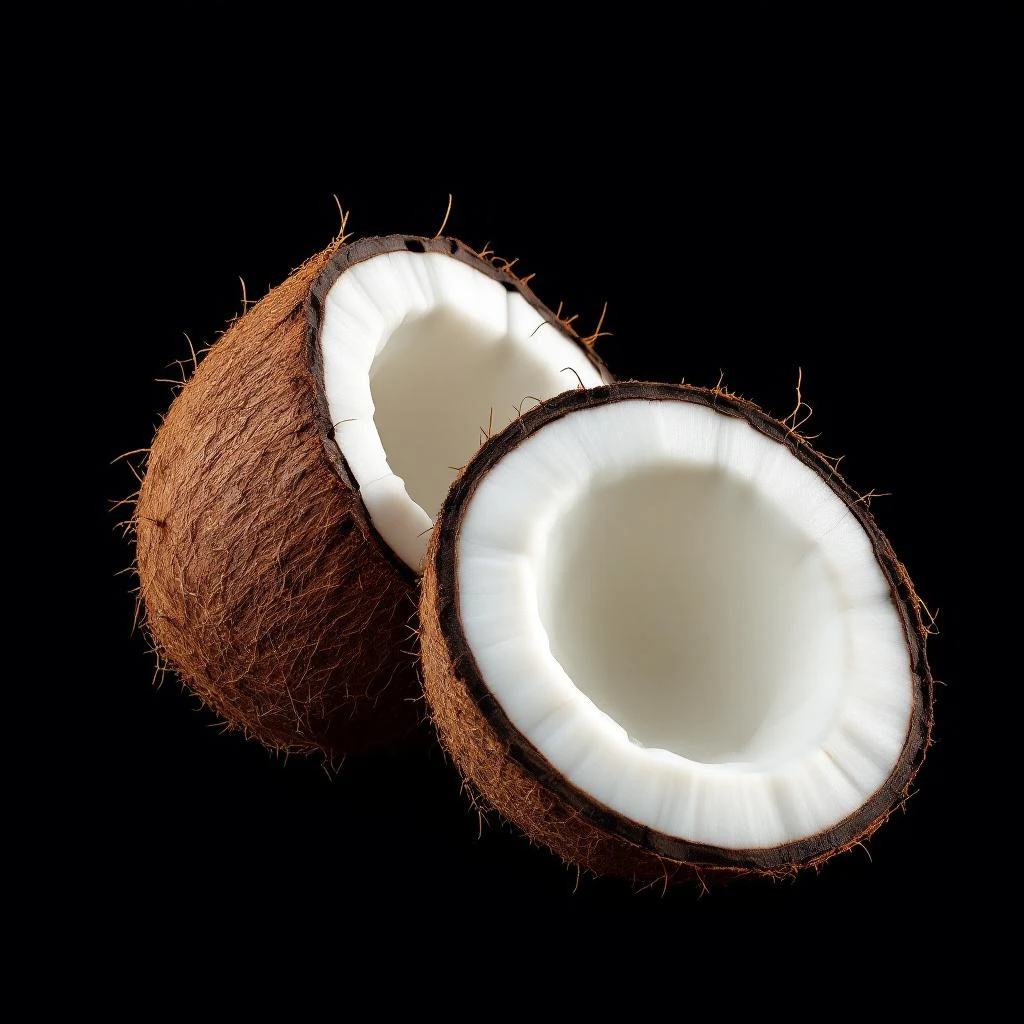
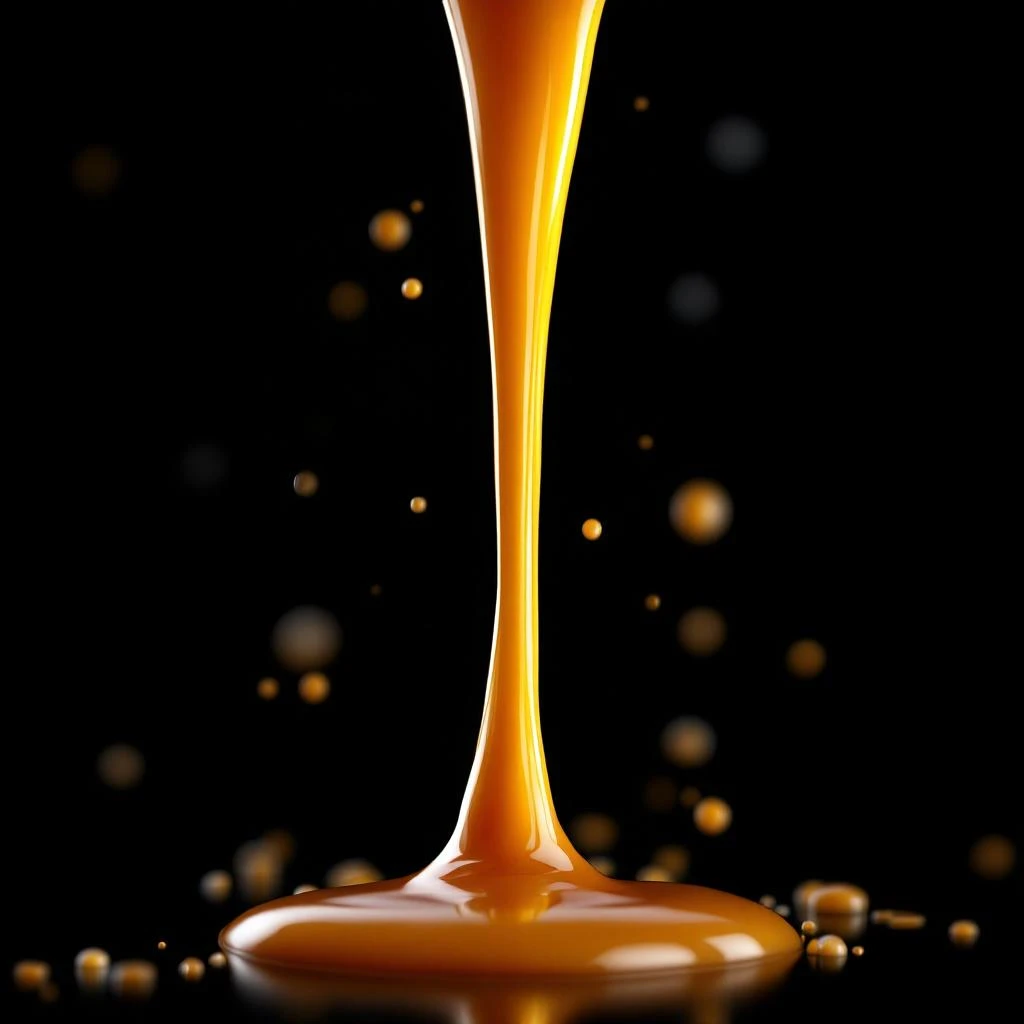
A warm, creamy note that evokes the soft white interior of a fresh coconut. Coconut cream brings tropical richness and buttery, lactonic sweetness to fragrance compositions, lending gourmand and summer blends a plush, sun-drenched roundness.
Character
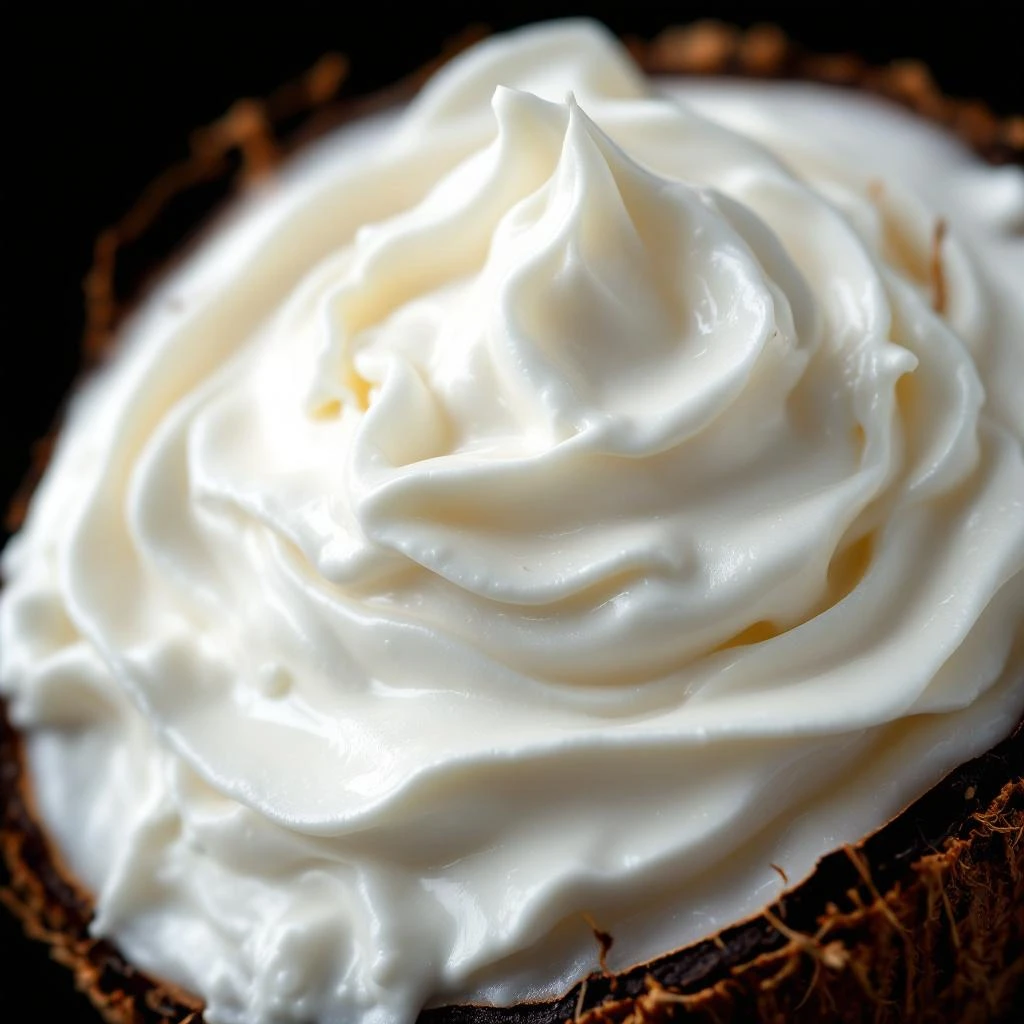
How it smells
The tropical milk at the heart of coconut.
The word lactone derives from the Latin 'lac, lactis' meaning milk, reflecting these compounds' creamy character.







Origin
Laboratory-derived
Lactones have been workhorses of perfumery for over a century. γ-Undecalactone, known as aldehyde C-14, was introduced around 1905 and remains widely used despite countless newer alternatives.
The discovery that removing two carbons from its chain produced γ-nonalactone opened new aromatic territory. These compounds carry their origin in their name: lactone derives from the Latin 'lac, lactis,' meaning milk, a reference to their creamy character.
While tropical fragrance notes existed in older perfume traditions, the synthetic lactone era enabled precise, stable coconut cream effects that natural extracts could not reliably provide. Today, coconut cream remains a staple in tropical, Gourmand, and oriental compositions, built from carefully layered lactones that capture the fruit's buttery interior.
Wears it best
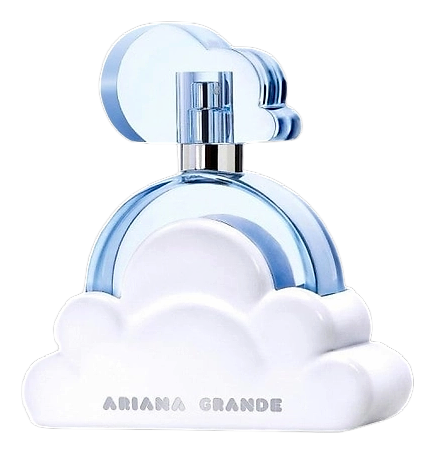
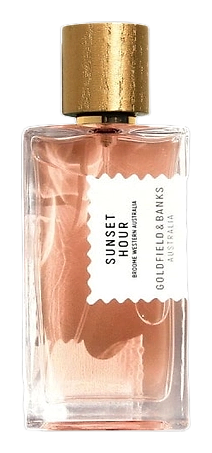
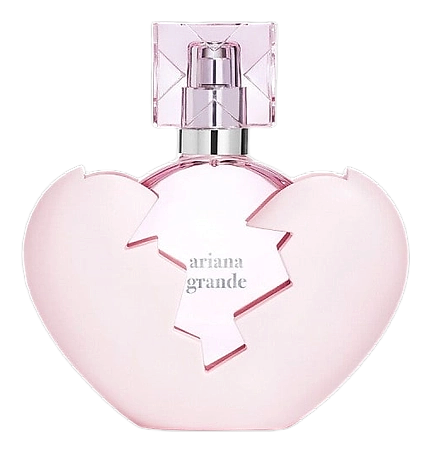
Fragrances featuring Coconut Cream
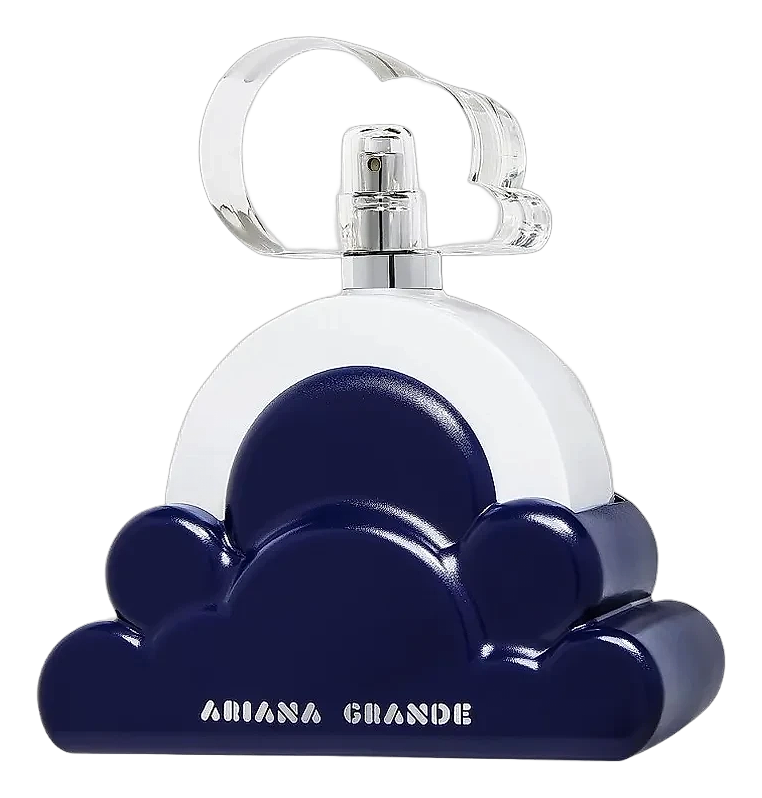
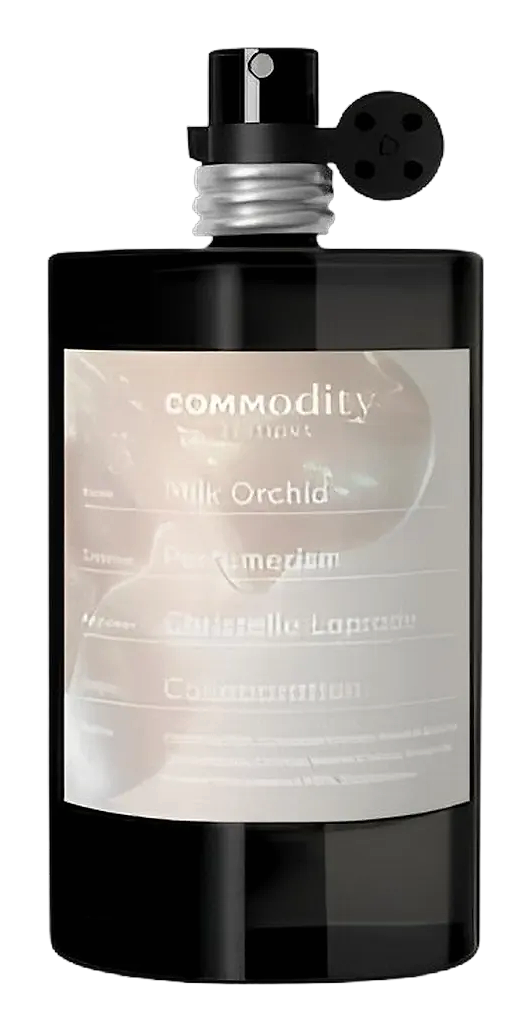
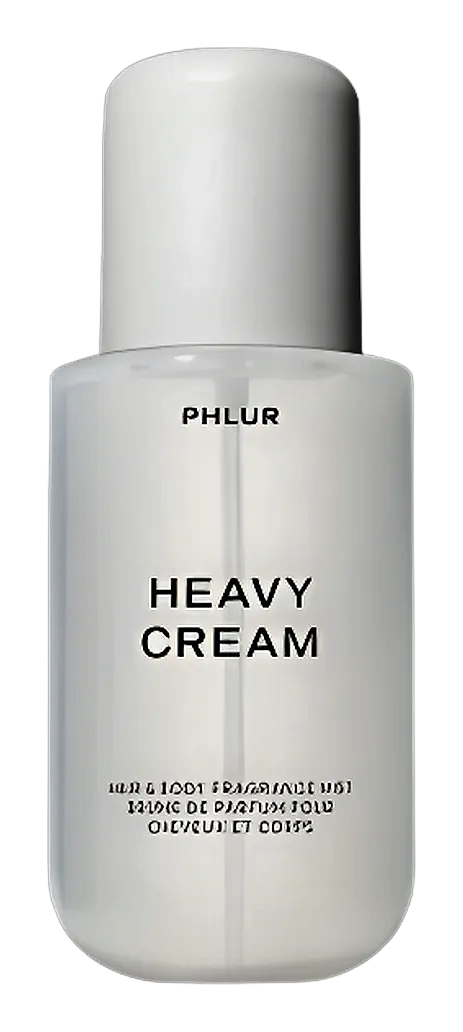
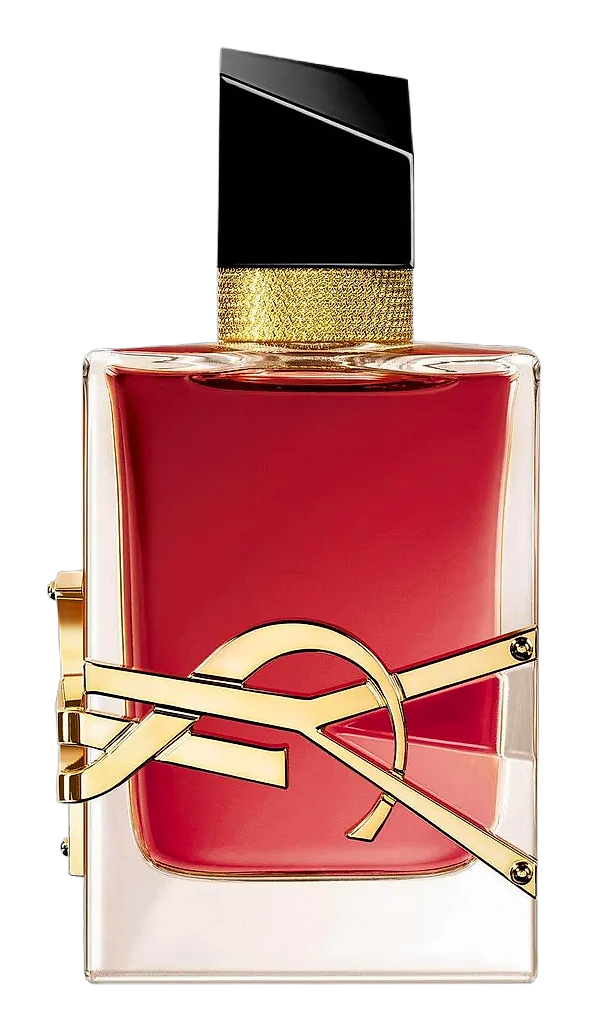
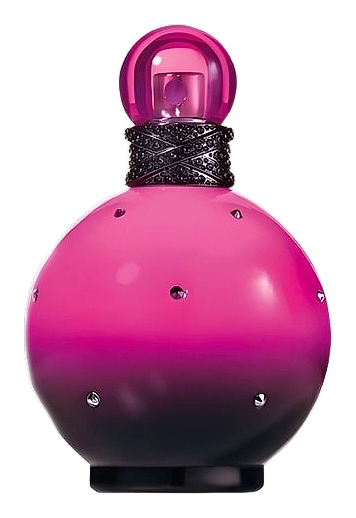
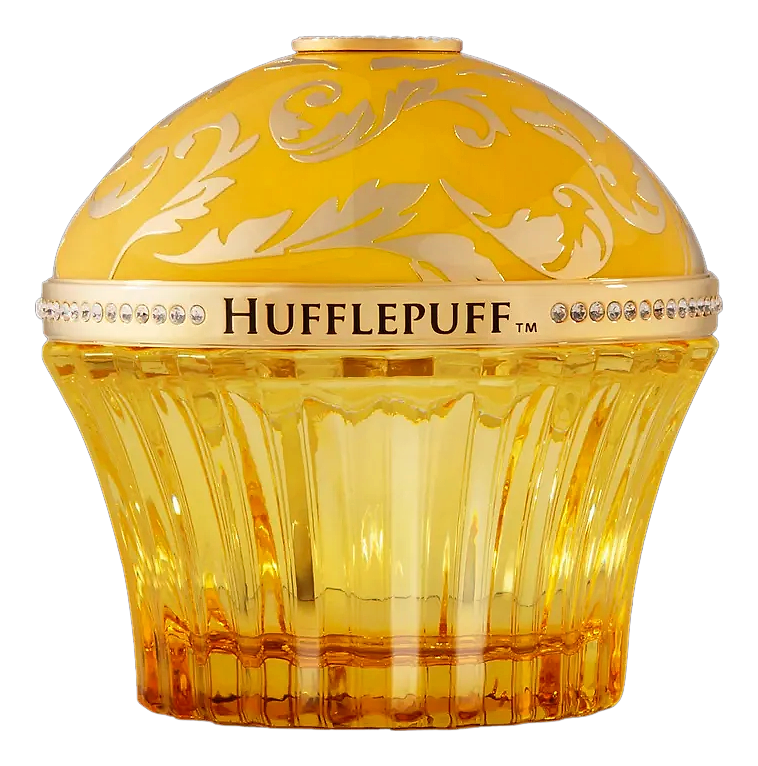
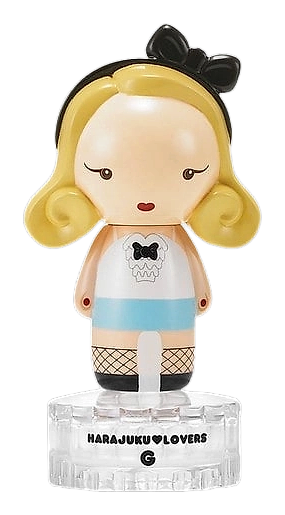
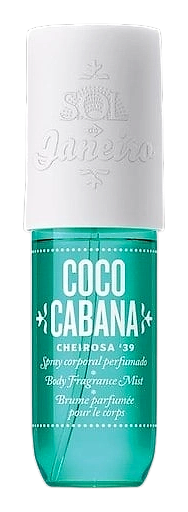
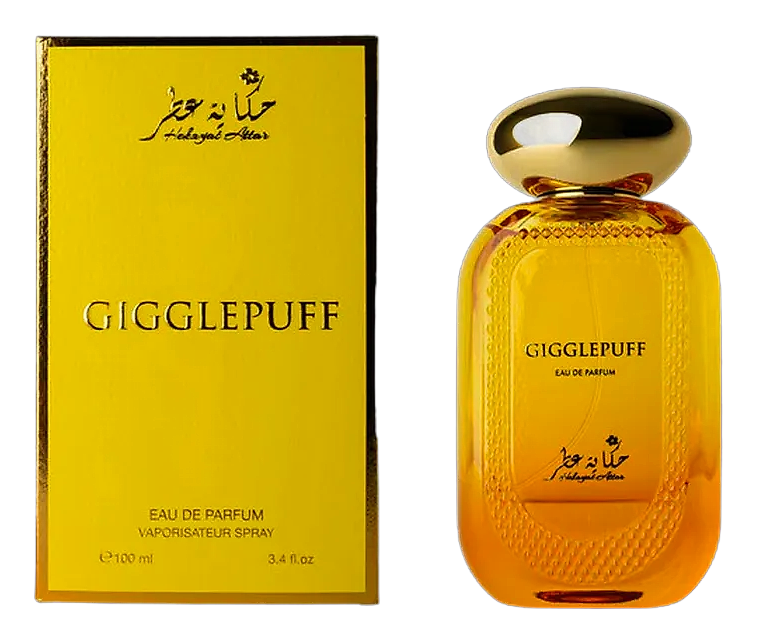
Brands
Brands known for Coconut Cream
Good to know
Questions, answered
The essentials on Coconut Cream in perfumery: how it smells, where it comes from, and how it behaves on skin.
Is coconut cream in perfumery natural or synthetic?
Coconut cream is almost always synthetic. Natural coconut extracts lack the stable, creamy character that perfumers need. γ-Nonalactone, the primary coconut cream molecule, is produced through controlled chemical synthesis.
What chemical compound creates the coconut cream scent?
γ-Nonalactone, also known as aldehyde C-18 or coconut aldehyde, delivers the signature sweet, waxy coconut-n-cream aroma. It was developed by modifying the molecular structure of γ-undecalactone.
What makes coconut cream work well with sandalwood?
Spirolactone methyl laitone, a lactone with coumarin-milk-coconut character, enhances sandalwood's natural creaminess. Perfumers use this pairing to create warm, tropical woody compositions.
Does coconut cream appear in floral fragrances?
Yes. Coconut cream lactones integrate into tuberose and fig accords, adding creamy depth to floral compositions. δ-Nonalactone specifically combines coconut cream with coumarin and light mint notes.
How long have lactones been used for coconut effects?
γ-Undecalactone, the precursor molecule, has been used since around 1905. The related γ-nonalactone followed as chemists explored the aromatic possibilities of lactone chemistry.
What does coconut cream smell like?
It smells like the sweet, buttery milk inside a fresh coconut, with waxy undertones and tropical warmth. Different lactones create subtle variations: some lean toward cream, others toward coumarin or tropical fruit.
Is coconut cream popular in modern perfumery?
Highly popular, particularly in tropical, Gourmand, and oriental fragrance families. It adds warmth, sweetness, and accessibility that appeals broadly to consumers.
Can coconut cream be combined with fruity notes?
Yes. Coconut cream lactones create tropical fruit fantasy accords when paired with other synthetic fruit molecules, enabling compositions that evoke coconut-pineapple or coconut-mango combinations.