The Story
Why it exists.
The beginning
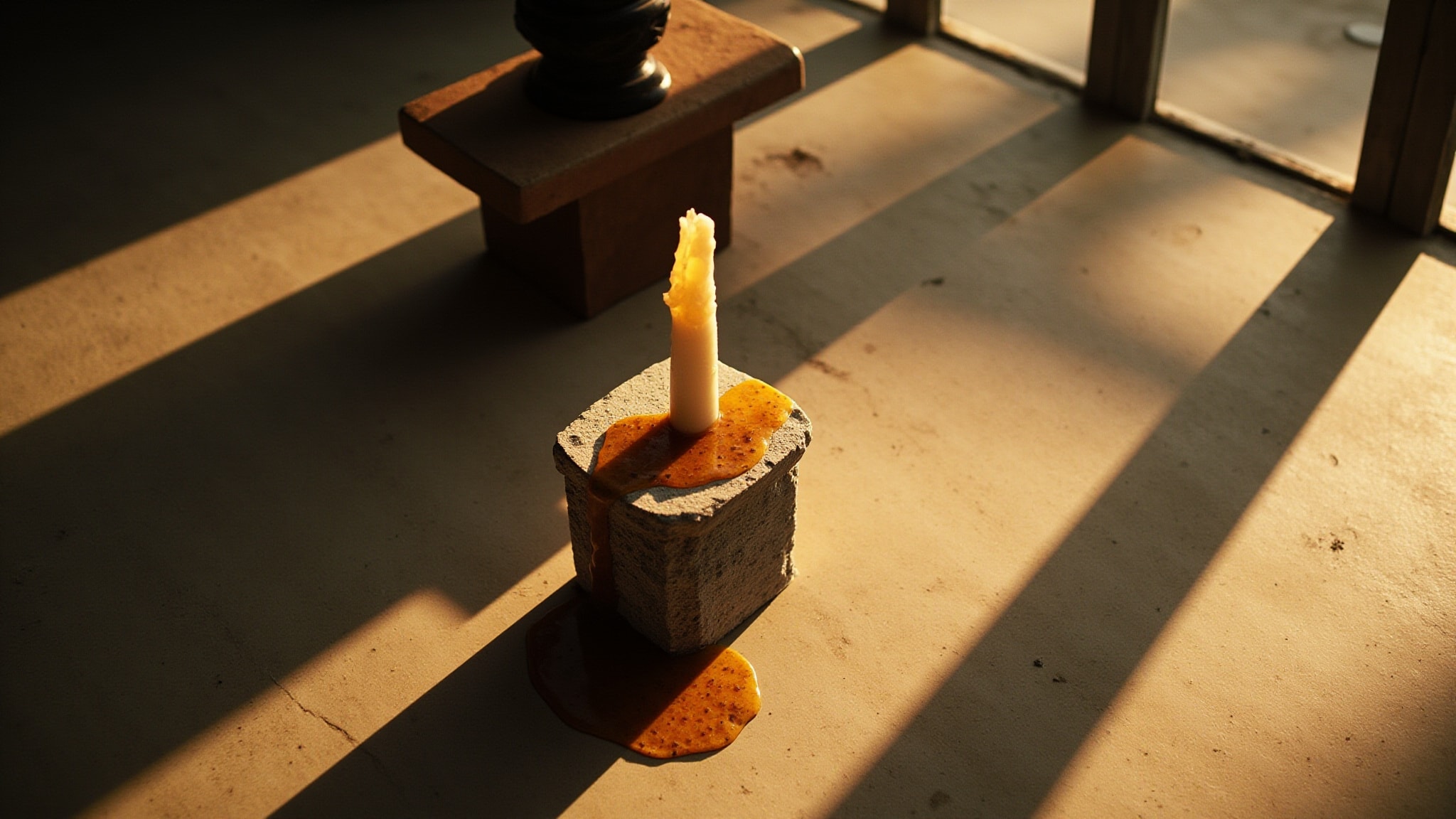
Basilica di Assisi takes its name from the sacristy drawers of San Francesco in Assisi, the place where sacred vestments are kept between rituals. The official description speaks of a spring wind entering from the great lawn, mixing with wood and the medieval walls frescoed by Giotto and Cimabue. These aren't abstract inspiration points. They are material traces: the amber of aged wood, the warmth of beeswax, the dust settled into centuries-old grain. Filippo Sorcinelli translated these sensory memories into a fragrance that holds that tension between the sacred and the lived-in, liturgical depth worn close to the skin, not displayed from a distance.
What makes this composition distinctive is its structure: an amber-resinous core (benzoin, amber, styrax, tonka bean) held open by a citrus top that prevents sweetness from settling too heavily. The dried fruits and white rose in the heart add a slightly vintage, potpourri warmth that connects it to the sacristy drawer concept, the smell of things stored, kept, remembered rather than displayed. Patchouli and labdanum anchor everything with an earthy, slightly leathery depth that grounds the sweetness in something more grounded. This isn't a fragrance that announces itself. It's a fragrance that rewards proximity.
The evolution
Basilica di Assisi opens sharp and bright. Bergamot and petitgrain arrive first, cutting through with a citrusy greenness that feels clean, almost cool. Within minutes, the citrus fades and the resinous warmth takes over, labdanum and benzoin creating an amber that feels closer and warmer than it projects. The white rose doesn't announce itself so much as it threads through the dried fruits, adding a quiet floral undertone that stops the composition from becoming entirely balsamic. By hour four, the drydown is a warm, earthy, woody caramel, benzoin, amber, and tonka bean creating something that clings close and intimate, lasting well past sunset. On fabric, the dried fruits and patchouli come through more clearly, creating a slightly drier, more private version of the experience. In a church, the incense-like quality of the styrax and labdanum creates an uncanny resonance with the space itself.
Cultural impact
Basilica di Assisi sits at the intersection of sacred art and contemporary niche perfumery, a space where the contemplative collector finds wearable meditation rather than performative scent. Filippo Sorcinelli's house occupies a distinct position: not decorative worship, but fragrance as spiritual inquiry. For those drawn to that register, this is one of the more accessible entries in the collection, a resinous-spicy warmth that rewards proximity over projection.