White Rose
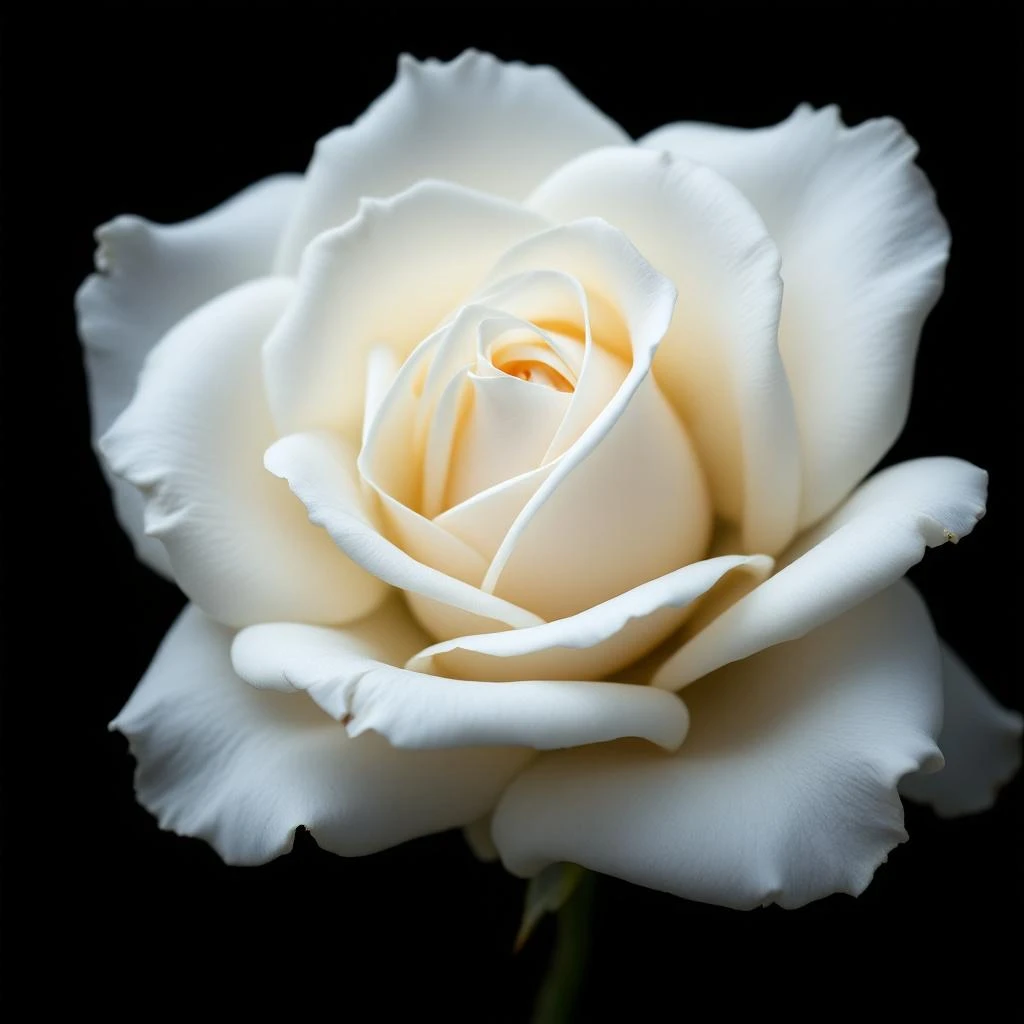
White rose brings an airy, translucent floral presence to fragrance. Unlike its bold Damask cousin, it whispers rather than shouts, adding quiet elegance to compositions.
Character
How it smells
The quiet elegance of the garden.
It takes roughly 3,500 kilograms of white rose petals to produce just one kilogram of absolute.








Origin
Bulgaria
Ancient cultures prized white roses for their purity, distinct from the intensely fragrant Damask varieties used in attars and medicines. Romans scattered white petals at ceremonies and wove them into garlands celebrating brides and Vestal Virgins.
Greeks associated the pale bloom with Aphrodite, while early Christians linked it to the Virgin Mary. Unlike Damask rose cultivation, which became organized around rose water production, white rose remained largely ornamental for centuries.
The shift came in the late nineteenth century when fragrance houses began extracting absolutes from delicate petals unsuitable for steam distillation. Modern perfumers now recognize Rosa alba absolute as a sophisticated material that reads as contemporary and restrained compared to traditional Damask rose.
Wears it best
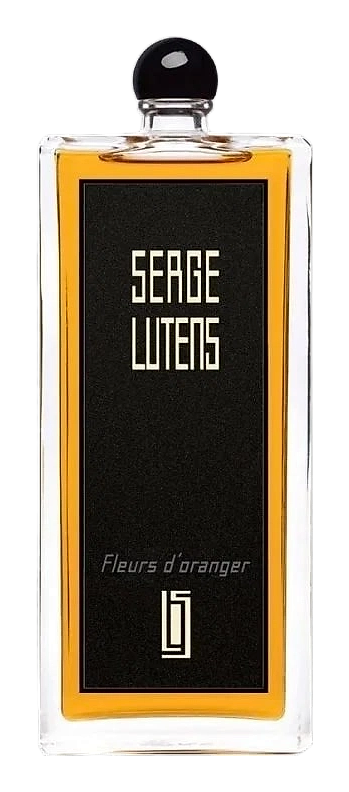
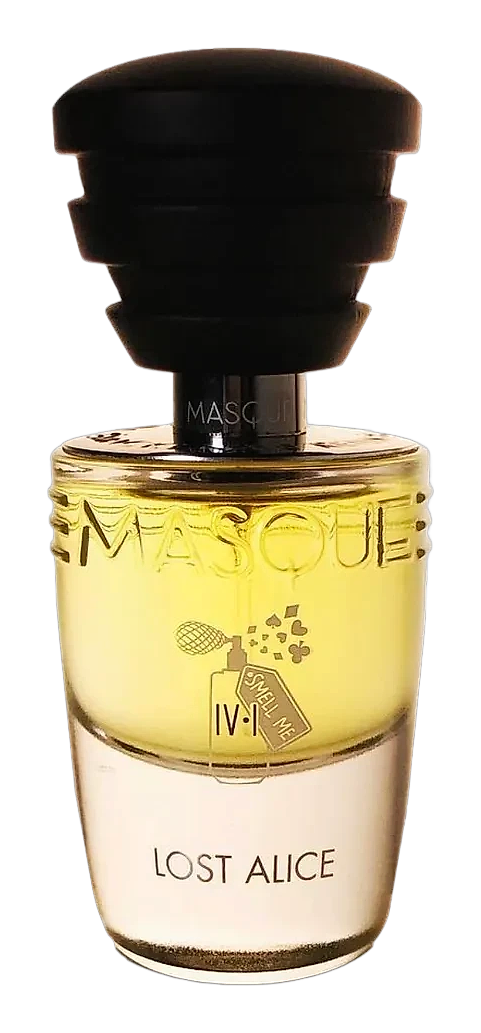
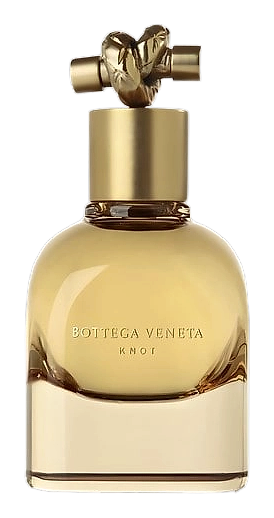
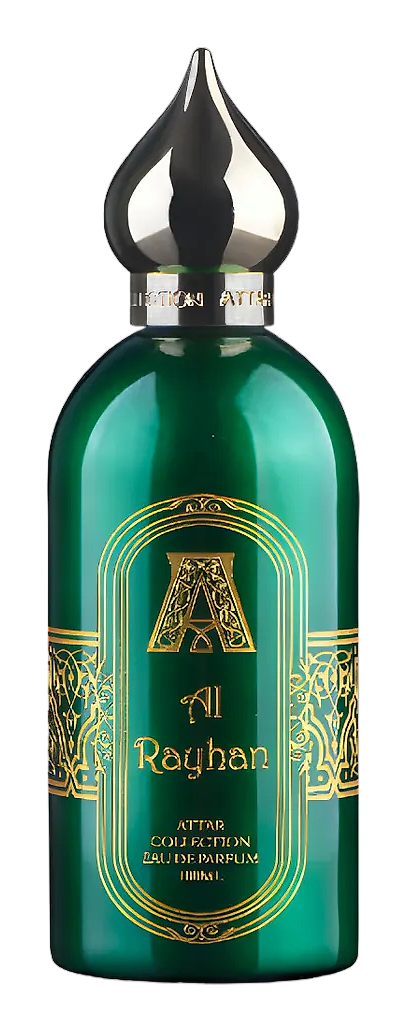
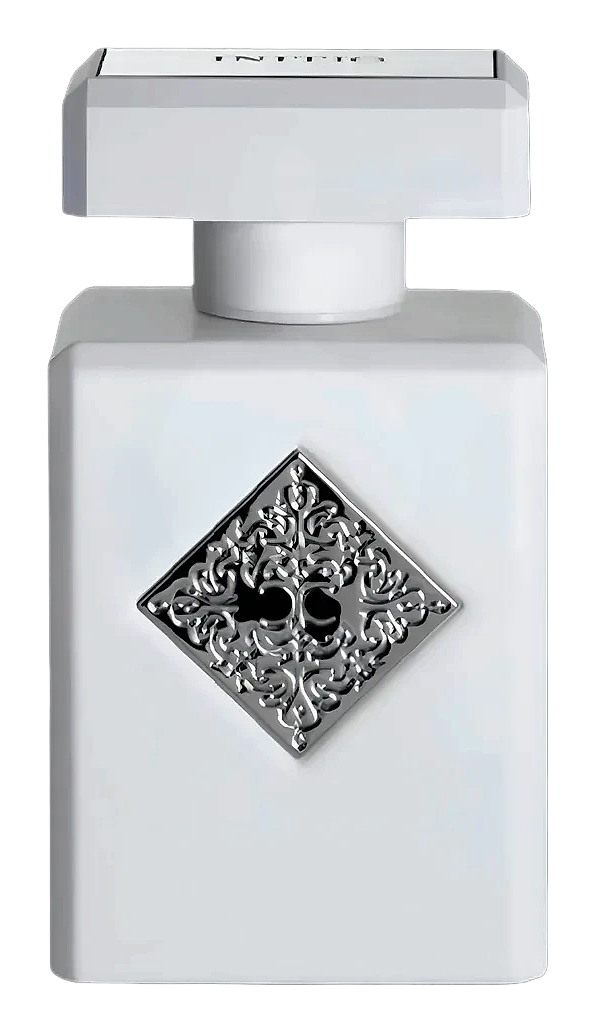
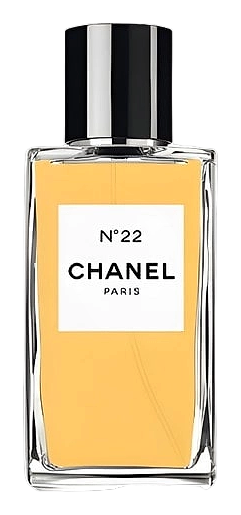
Fragrances featuring White Rose




Brands
Brands known for White Rose
Good to know
Questions, answered
The essentials on White Rose in perfumery: how it smells, where it comes from, and how it behaves on skin.
What does white rose smell like in perfume?
White rose absolute smells lighter and cleaner than Damask rose. It offers a fresh, almost watery floral note with green undertones. Perfumery professionals describe it as translucent and airy rather than deep or honeyed.
Is white rose extract natural or synthetic?
White rose absolute is a natural botanical extract. However, it remains rare because white rose petals yield very little material compared to Damask rose. Most luxury fragrances that list white rose use the natural absolute.
How does white rose differ from Damask rose in fragrance?
Damask rose carries an intense, honeyed, and complex aroma. White rose presents a subtler, greener, and more transparent scent profile. Perfumers use white rose when they want rose character without the richness or sweetness of Damask rose.
Why is white rose absolute so expensive?
White rose petals yield only 0.02 to 0.05 percent extract by weight. This means producers need thousands of kilograms of petals for a single kilogram of absolute, making it considerably rarer than Damask rose oil.
Where does white rose absolute come from?
Bulgaria produces the finest white rose absolute, primarily from the Rose Valley region. Turkey, particularly the Isparta province, also cultivates white roses for extraction. The cool, elevated microclimate in these areas produces petals with the most desirable aromatic profile.
Can white rose stand alone as a fragrance heart note?
Yes. Lighter fragrance compositions often feature white rose as a primary heart note rather than a supporting ingredient. It pairs well with transparent musks, light woods, and crisp green notes.
What fragrance families use white rose?
White rose absolute appears most often in modern florals, chypres, and aldehydic compositions. Clean fragrance lines and contemporary designer fragrances frequently feature it. It adapts well to both feminine and unisex formulations.
When should a perfumer choose white rose over Damask rose?
Choose white rose when a composition requires subtlety and restraint. It works better in fresh, modern interpretations and when the fragrance needs rose character without heaviness or sweetness. Designers reach for it when building airy, translucent effects.




