The Story
Why it exists.
The beginning
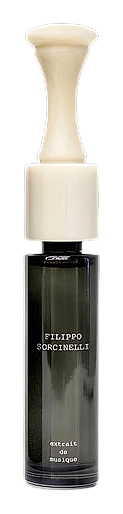
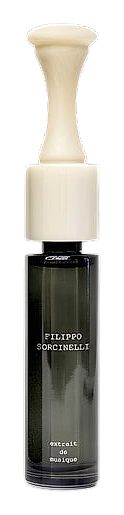
In the Voix Humaine collection, each fragrance is a concept translated from sound to skin. Number 8 asks a simple question: what does the human voice smell like? The voice before words. The voice that fills a church at dawn. The voice on the other end of a phone at midnight. Sorcinelli approaches this with the vocabulary of liturgy, incense, warm amber, vanilla. The result is intimate and sacred at once. Not a contradiction. A reminder. The fragrance captures something essential about human presence, that quality of being there without speaking, without needing to fill the silence. It lingers in the same way a voice can linger after someone has already gone.
Ambrette, also called musk mallow, carries the fragrance's skin-like quality. Combined with jasmine and orange blossom, it adds a floral dimension that stays close and understated rather than heady. The ambrette brings a warm, slightly nutty quality that grounds the floral notes and gives them weight. Jasmine and orange blossom bloom together, creating a creamy floral heart that feels personal and lived-in rather than abstract.
The evolution
The opening announces itself with a burst of citrus-spice, bergamot and cardamom bright and sharp, almost confrontational. Within minutes the elemi resin softens the edges. The heart phase is where Voix Humaine earns its name: jasmine and ambrette bloom slowly, creating a warm, creamy floral that feels personal. The drydown shifts into something quieter. Vanilla takes over. Olibanum adds a resinous smoke. Leather appears in the distance. Milk mousse makes it soft. The final impression is close, warm, and powdery, skin-warm rather than room-filling. This is not a fragrance that announces itself. It waits to be discovered. The bergamot and cardamom create an initial brightness that gradually yields to deeper notes, the citrus-spice opening giving way as the resin and floral heart take center stage.
Cultural impact
Voix Humaine 8 has earned a devoted following among niche fragrance collectors since its debut. The woody-spicy amber oriental composition sits in an intimate register that rewards close acquaintance rather than first impressions. It compares favorably to contemporaries like Dies Auræ by Antonio Alessandria and Akkad by Lubin, both from the same era. What sets it apart is the balance between warmth and restraint, a fragrance that achieves depth without becoming heavy or demanding. The scent invites repeated wearing, revealing new facets each time as it settles and evolves on the skin.