






Heritage
A house, in its own words
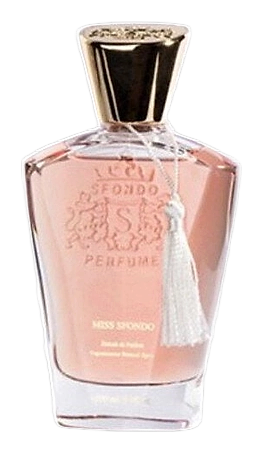
The origins of Sfondo Perfume trace back to a small workshop in Italy, reportedly established in 2018 by a group of fragrance enthusiasts who shared a background in art direction and raw material sourcing. Early interviews suggest the founders chose the name "Sfondo" – Italian for "background" – to highlight the idea that a perfume should serve as a subtle stage for personal memories. The inaugural launch in 2018 introduced ten distinct fragrances, each paired with a narrative vignette printed on the inner label. Within a year, the brand secured a modest retail space in Milan’s Brera district, allowing customers to experience the scents in a curated environment. In 2020 the house announced a shift toward sustainable packaging, replacing traditional glass with recycled PET and introducing biodegradable caps sourced from plant polymers. A 2021 collaboration with a local visual artist resulted in a limited‑edition bottle series that featured hand‑etched motifs inspired by the scents’ stories. By 2022 the label expanded its distribution to boutique partners across the European Union, while maintaining a production run of no more than 2,000 units per fragrance to preserve exclusivity. The following year, Sfondo introduced a line of gender‑neutral fragrances, reflecting broader industry conversations about fluidity and inclusivity. Throughout its brief history, the brand has remained independent, avoiding acquisition offers and continuing to operate from its original studio, where formulation, testing and packaging decisions are still made in‑house. Sfondo Perfume frames fragrance as a narrative medium rather than a decorative accessory. The brand’s statement – "every scent tells a story" – guides its creative brief for each launch. Formulators are encouraged to start with a personal memory, translate that image into a scent palette, and then refine the composition until the olfactory impression aligns with the intended narrative. The house values transparency in ingredient provenance, preferring suppliers who can trace raw materials to specific farms or cooperatives. Sustainability is woven into the brand’s ethos; sourcing decisions favor ethically harvested oud, responsibly managed violet farms and fair‑trade citrus oils. The label also emphasizes modest batch sizes, believing that limited production allows for tighter quality control and a more intimate connection between creator and collector. Community engagement appears in the form of occasional workshops where customers can explore the storytelling process, reinforcing the idea that perfume is a shared, experiential art form.