The Story
Why it exists.
The beginning
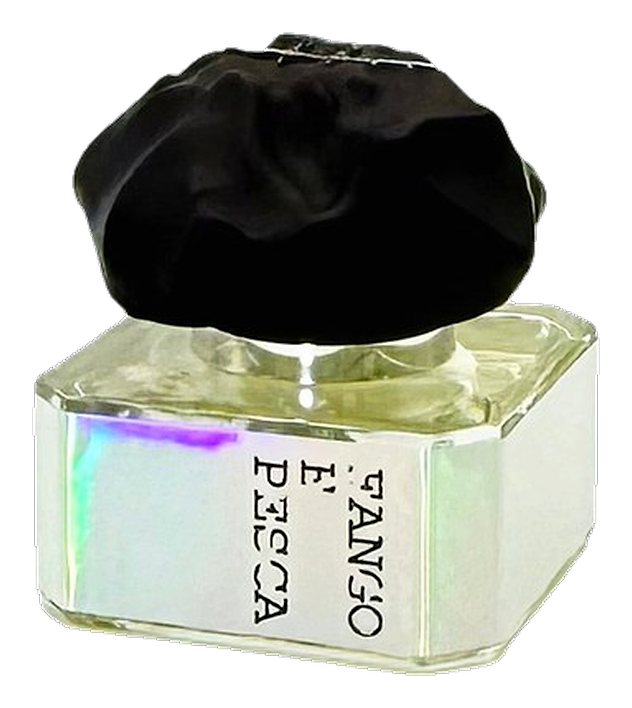
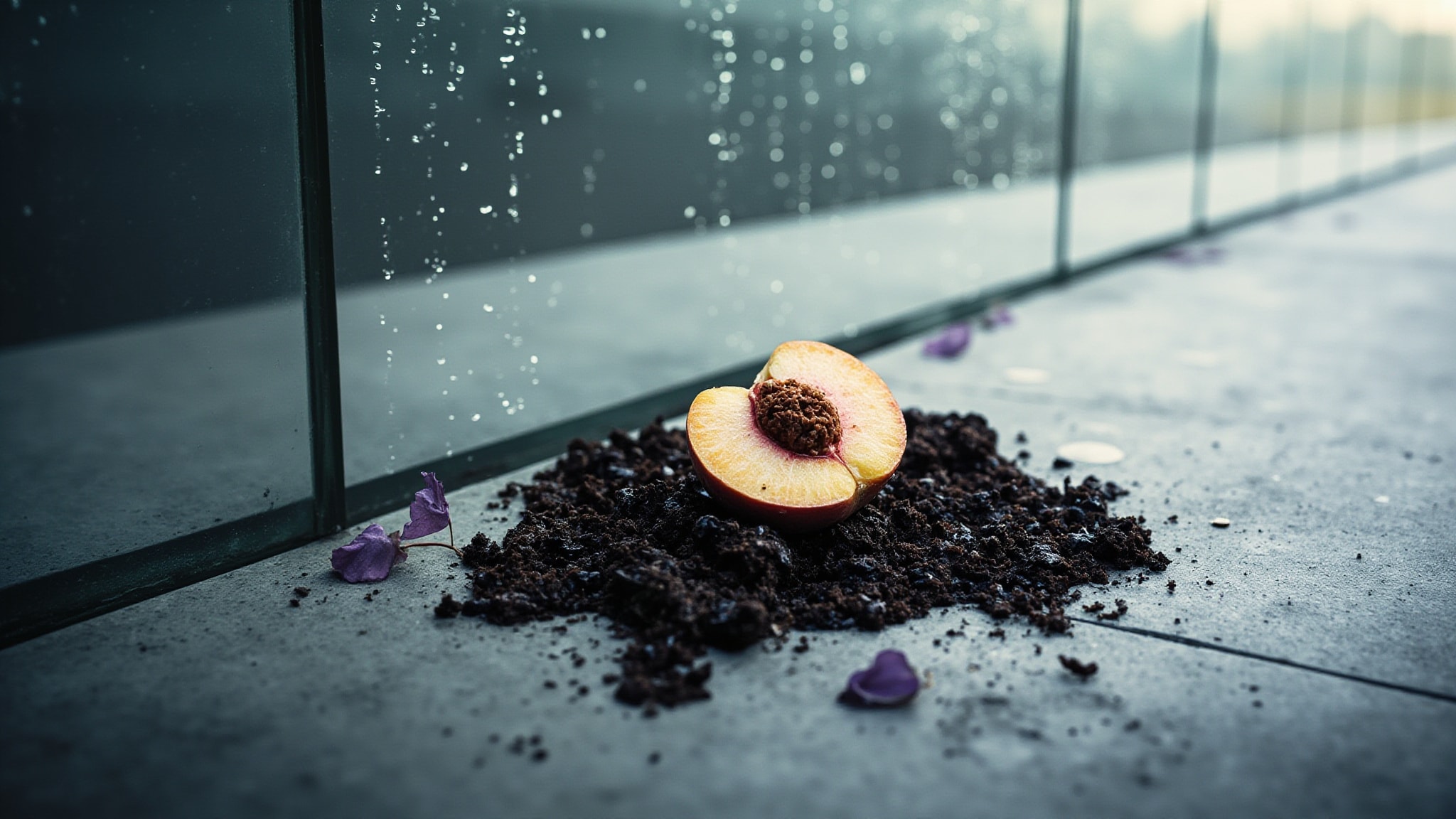
Fango e Pesca translates directly: mud and peach. Two words, one collision. In Italian the name alone is a concept, and that concept is the fragrance. Released in 2025 as part of the SuperFluo? collection, this is the moment fruit stops being clean and meets the ground it fell from. The brand built its identity translating liturgy and fine art into scent, vestments, papal commissions, compositions that sit between perfume and sculpture. This fragrance does the same thing: it sits between the pretty and the raw, and refuses to pick a side.
Peach is a vulnerable note. It goes sweet, soft, edible. Mud is none of those things. What makes this work is that neither wins. The rain accord keeps everything cool and wet, a cold garden, not a warm one, so the peach doesn't rot into jam. The osmanthus adds its own apricot-floral complexity, bridging fruit and earth without smoothing the contrast. Gurjan balsam brings a balsamic depth that makes the mud read as mineral-rich soil, not petrichor or wet wool. Jasmine is there as a reminder: something still smells like flowers. The composition earns its name because the duality is structural, not decorative. Fruit and earth don't just coexist, they argue.
The evolution
The opening arrives wet. Rain and peach together, a cold fruity note that reads almost effervescent, like sour peach gummies in a damp garden. Violet leaf adds a green undertone that keeps the sweetness from getting soft. Coriander is the quiet sharp edge, barely there. Around 30 minutes in, the mud begins to show. Not the whole thing yet, just the edges. Osmanthus blooms through the damp, jasmine threads in, and what was clean fruit starts to get its hands dirty. The transition is the point: you smell the change happen. The drydown is where the earth wins. Oakmoss, patchouli, tobacco, a mossy, woody base that lingers. Eight hours later on most skin, still there, still quiet, still holding the ground it came from.
Cultural impact
The SuperFluo? collection brought this duality into the light. Fango e Pesca found its audience among those who wanted fragrance to do something uncomfortable, to hold contradiction without resolving it. The peach-mud contrast became a Rorschach: some read it as nostalgic, others as confrontational. That split is the point. Wearers who stayed described it as the scent of someone who walked into a room and didn't explain themselves.