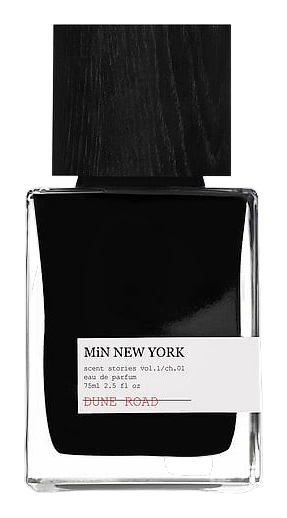
The Story
Why it exists.
The beginning
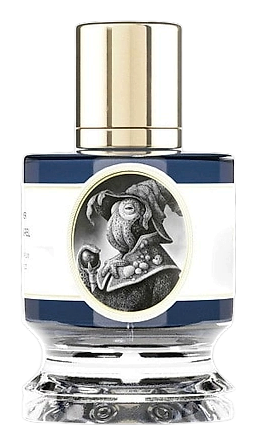
Mark Buxton built The Lobster around a single, specific image: two people in a forest, forbidden from falling in love, falling anyway. The fragrance translates that bleak romanticism into olfactory terms, a survival story dressed in wet moss and green herbs rather than a straightforward love story. There's an edge to it, a sharpness that reads as tension rather than tenderness. The name itself hints at something primal, something that claws beneath the surface of expected romance. The 2016 launch placed it firmly in niche territory, a fragrance for people who wanted their scent to ask a question instead of answering one. It doesn't comfort. It provokes.
What makes this composition unusual is how Buxton balances competing forces that should cancel each other out. Green freshness against earthiness. Aquatic calm against animalic heat. The base layers fenugreek, humus, and moss, materials that smell like the ground, like decay, like something already finished, and anchors them with myrrh and arnica, which add a bitter-herbal warmth that stops the whole thing from going cold. The result is a fragrance that smells organic in a way most green fragrances don't. It doesn't smell like a note list. It smells like a place.
The evolution
The Lobster opens clean. Almost aggressively so, green grass, muguet, that sharp green-cypriol edge that reads like stems crushed between fingers. Then the water arrives, not aquatic in the traditional sense, no marine freshness or ozonic clean. This is the wetness of a forest, the humidity after rain, the moment before something shifts. The green softens but doesn't disappear. It deepens instead, moving from stems to soil, from brightness to shadow. The cedar arrives next, wood and bark giving the whole thing structure, anchoring the fragrance when it could otherwise drift into abstraction. And then, quietly, the animalic emerges. Not loud. Not aggressive. But present, a warmth that wasn't there in the opening, rising from the base like breath. The drydown is where this fragrance earns its name. Moss and humus, close to the skin, intimate.
Cultural impact
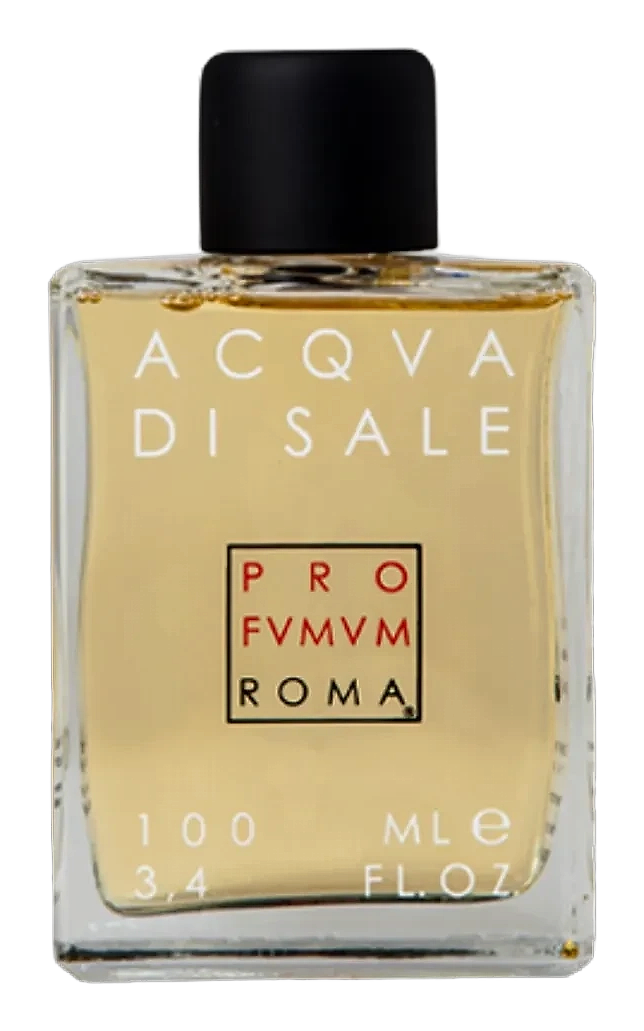
The Lobster challenges what a green fragrance can be. Where most compositions in this family lean fresh andsafe, this one leans into earth, darkness, and animalic warmth. Niche wearers who gravitate toward avant-garde compositions find a kindred scent here, something with the atmospheric depth of Zoologist's Snowy Owl or the mineral intensity of Profumum Roma's Acqua di Sale, but stranger. The animalic and green combination creates something divisive by design: you'll either want to scrub it in the first ten minutes or wear it until someone asks what it is. That tension is precisely the point.