Humus
A rare specialty material capturing the primal scent of forest earth, humus distills the living aroma of decomposition itself into perfume. This material offers perfumers an authentic earth note found nowhere else in nature.
Character
How it smells
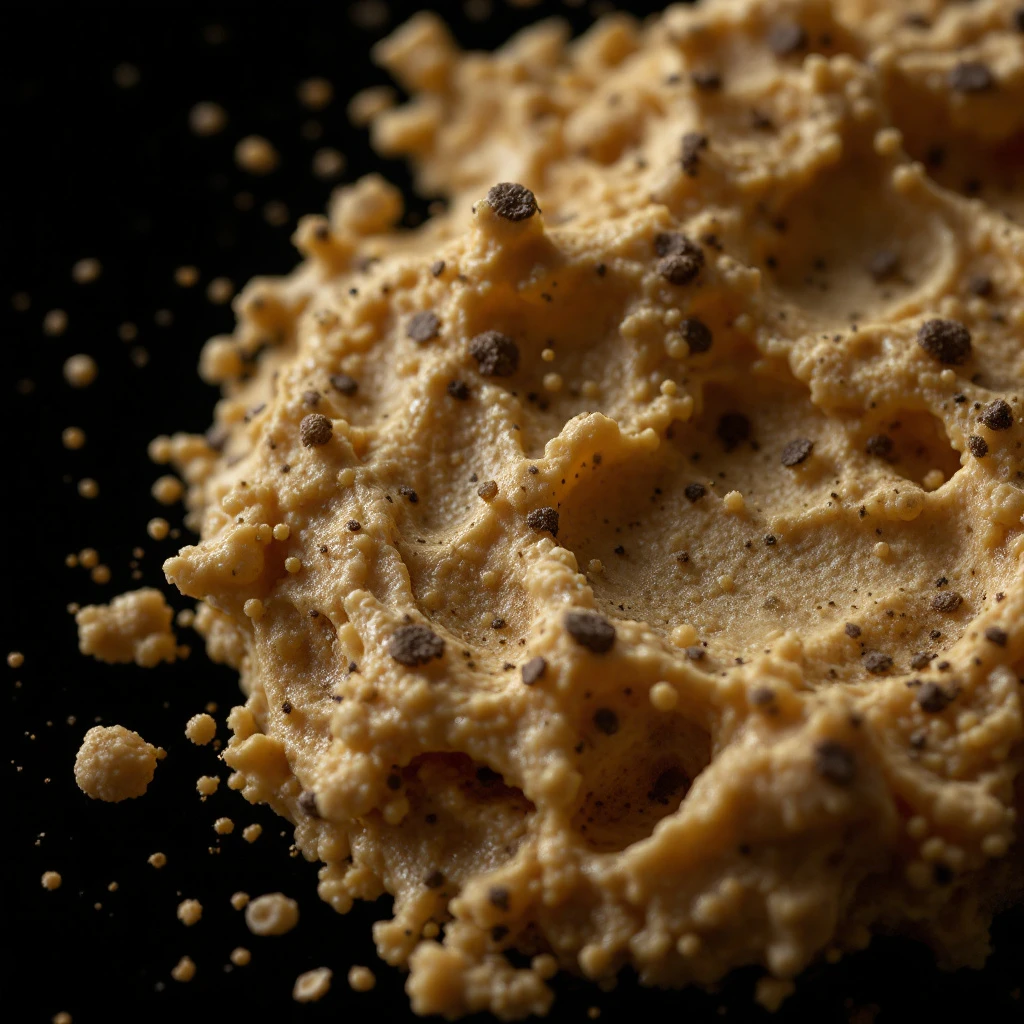
The scent of living earth, captured.
Some perfumers age their humus extracts for months, allowing the aroma to deepen and develop like fine wine.





Origin
France
Ancient peoples associated fertile earth with divine blessing, yet perfumers only began isolating humus as an aromatic material in the late twentieth century. Specialty houses in France and Italy pioneered extraction techniques during the 1970s. Before this development, perfumers relied on oakmoss, vetiver, and patchouli to suggest earthiness.
The rise of naturist perfumers and geo-chypre fragrances in the 1990s created demand for authentic soil notes. Today, perfumers value humus for its unmatched realism in depicting forest floor, garden earth, and the primal scent of land.
Wears it best
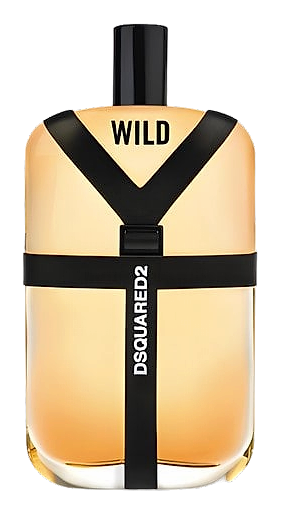
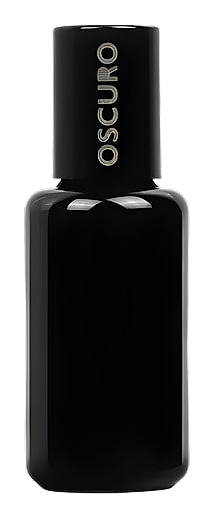
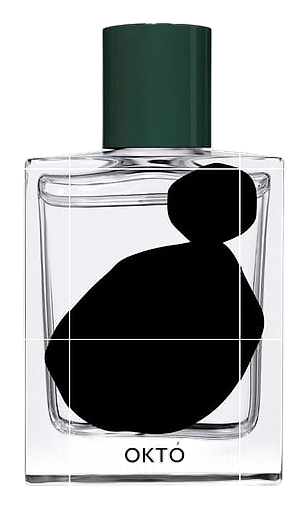
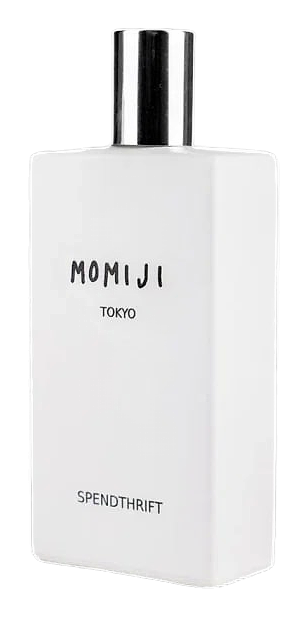
Fragrances featuring Humus

Brands
Brands known for Humus
Good to know
Questions, answered
The essentials on Humus in perfumery: how it smells, where it comes from, and how it behaves on skin.
What does humus smell like?
Humus smells like rich forest earth after rain. It carries deep, moist, slightly fungal notes with undertones of decay and renewal. The scent feels alive and primordial, suggesting damp soil and woodland floors rather than dry dirt.
Is humus a natural or synthetic ingredient?
Humus is a natural specialty material. Extractors isolate aromatic compounds from actual decomposed forest matter through solvent or CO2 extraction. No synthetic fully replicates its complex profile.
Which perfumes use humus as a key ingredient?
Naturist and chypre-style fragrances most commonly feature humus. Houses like Annick Goutal and Serge Lutens have used this material to ground compositions with authentic earth character.
How does humus differ from oakmoss?
Oakmoss provides a green, slightly sweet, treelike aroma. Humus offers a deeper, moister, more animalic earth quality. Perfumers often layer both to create rich, realistic woodland scents.
Can humus cause skin sensitivity?
Natural humus extracts contain allergens similar to other natural materials, including lichen-derived compounds. Reputable suppliers provide full allergen documentation for safety assessment.
Why is humus considered rare in perfumery?
Harvesting requires specific forest conditions and careful sourcing to ensure consistent quality. The extraction process demands specialized equipment and expertise, limiting production to specialty houses.
How do perfumers dose humus in formulations?
Perfumers use humus at low concentrations, typically below 1-2% in concentrate. The material proves potent; even small amounts deliver significant earth depth and grounding effects.
What fragrance families pair well with humus?
Chypre, fougere, and earth-forward oriental compositions work best with humus. The material also enhances green and forestry themes, adding authenticity to natural-inspired fragrances.