The Story
Why it exists.
The beginning
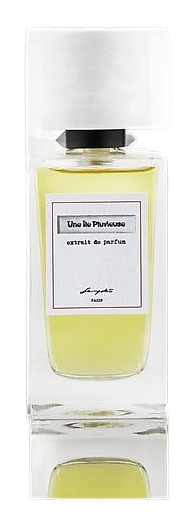
Une Île Pluvieuse takes its name from Yukio Mishima's novella "The Sound of Waves", a story about a fisherman on a remote Japanese island. Rain falls on that distant island, the sea always present, something about to happen. Perfumer Euan McCall translated that literary and visual concept into scent, building from a rain accord that evokes the island's constant mist and ocean spray. The opening captures that specific atmosphere: cold, wet, almost metallic, like rain striking stone. The floral notes, lilac, mimosa, peony, represent the island's flora, while patchouli, vetiver, and oakmoss anchor the composition to earth and stone.
The rain accord is constructed from multiple materials combining to create the sensation of water. Violet leaf absolute provides that green, slightly bitter quality of crushed stems. Ambergris brings a marine depth that isn't quite salt. The combination produces what perfumers call petrichor, the smell of rain on earth, on stone, on things that have been waiting. Oakmoss absolute in the base reads as forest floor rather than vintage perfume, damp, green, alive.
The evolution
The opening hits cold. Grapefruit arrives sharp and almost metallic, cutting through the violet leaf with a brightness that feels like rain hitting stone. The rain accord reads as ozonic and wet, not marine, not aquatic, but genuinely rainy. Within the first fifteen minutes, the brightness softens. Lilac arrives quietly, adding a delicate floral layer that tempers the citrus. Mimosa follows, bringing warmth and a powdery softness that begins to shift the composition toward the heart. Peony arrives, filling the space between lilac and mimosa with something rounder, more romantic. Then something interesting happens: the ozonic quality that defined the opening begins to recede. The marine element fades as the florals take over, and the scent becomes quieter, more interior. Patchouli and vetiver arrive in the drydown, earthy, deep, almost meditative.
Cultural impact
Une Île Pluvieuse occupies a specific niche within the broader fragrance landscape, neither purely aquatic nor traditional green floral, but something that sits at the intersection of literary inspiration and sensory precision. It appeals to wearers who seek fragrance as narrative rather than statement. The rain accord avoids the literal wetness of typical aquatic fragrances, instead reading as conceptual rather than descriptive. The scent has found resonance among those who appreciate understated work, people who view fragrance as personal rather than performative.