Calamus
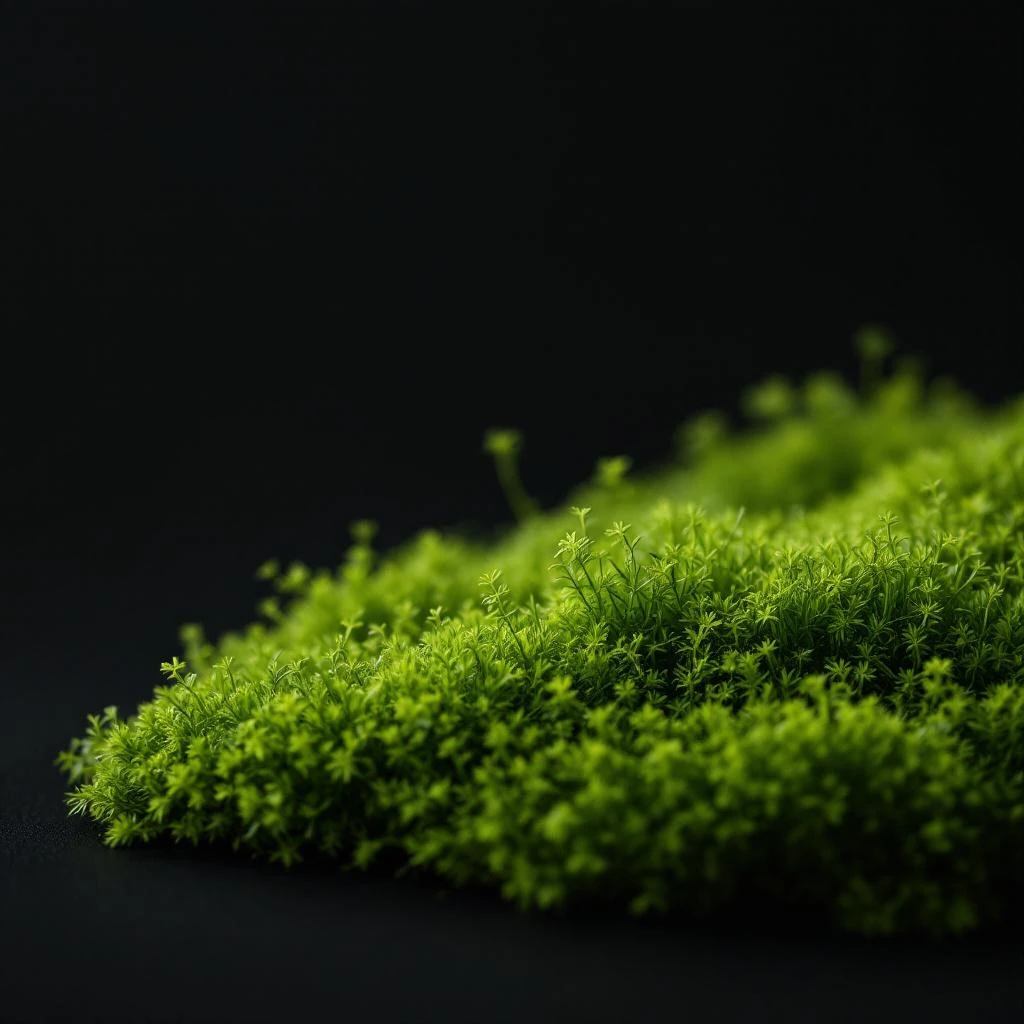
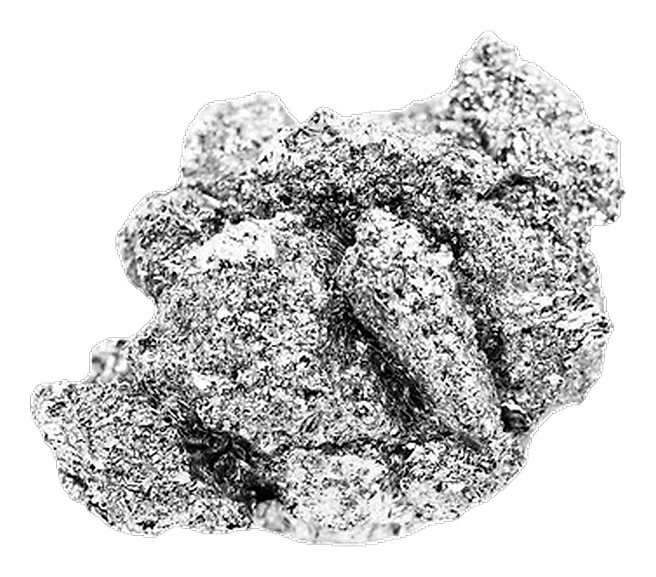
Calamus root oil is a warm, complex material combining spicy-cinnamic warmth with marshy green undertones, dry leather, and a camphoraceous bitterness that lingers for days on skin. A fixative workhorse in woody and oriental perfumery.

Character
How it smells
Ancient marsh plant turned perfumer's fixative secret.
Ayurvedic texts from 500 BCE mention calamus as a key memory and wisdom herb, earning it the Sanskrit name Vacha (to speak).









Origin
India
Calamus has been valued across civilisations for over 4,000 years. Ancient Indians incorporated it into Ayurvedic preparations as a cognitive tonic, naming it Vacha (the herb that induces speech). Egyptian texts reference sweet flag in ceremonial incense blends.
Chinese medicine adopted it as a warming remedy for respiratory complaints. Native American peoples used the root extensively in healing rituals and as a ceremonial smudge. Medieval European apothecaries stocked calamus root for digestive and neurological applications.
The plant made its way into European perfumery through the alembic traditions of Arabic-period Spain. By the early 20th century, steam-distilled calamus oil had become a recognised fixative in oriental fragrance formulations. Modern usage remains constrained by regulatory scrutiny around its beta-asarone content, which limits commercial applications and maintains the ingredient's niche status among perfumers who understand its history.
Wears it best
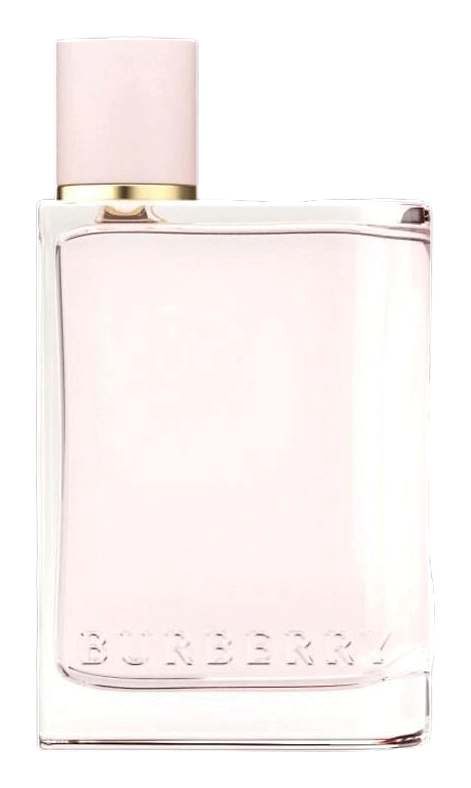
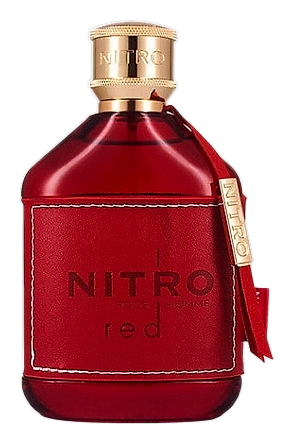
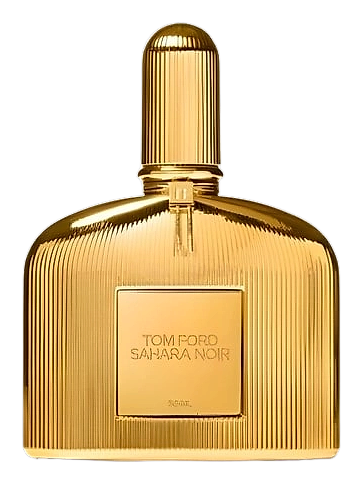
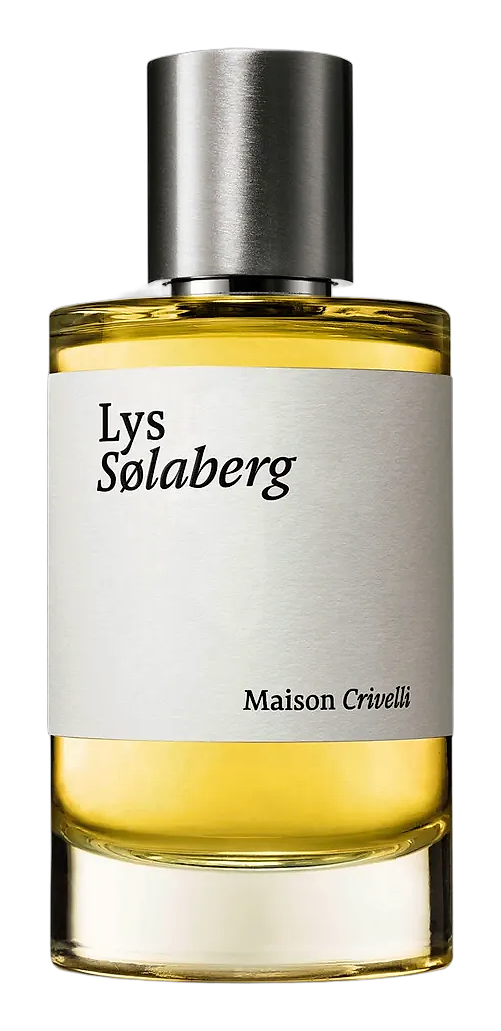
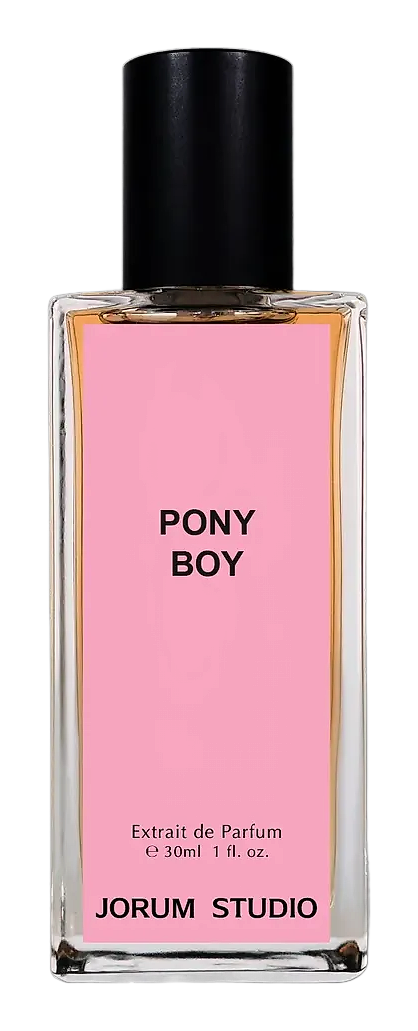
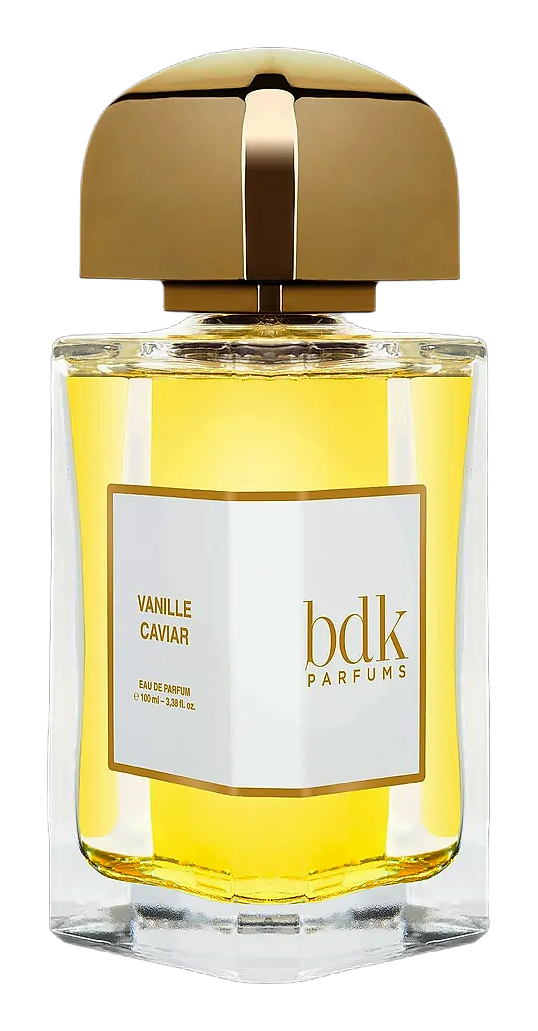
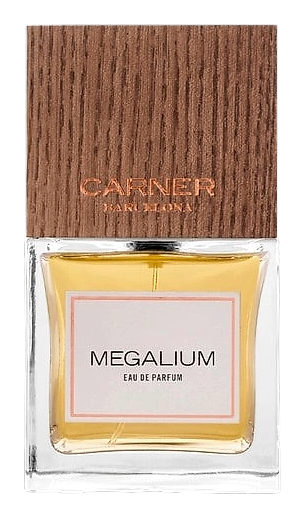
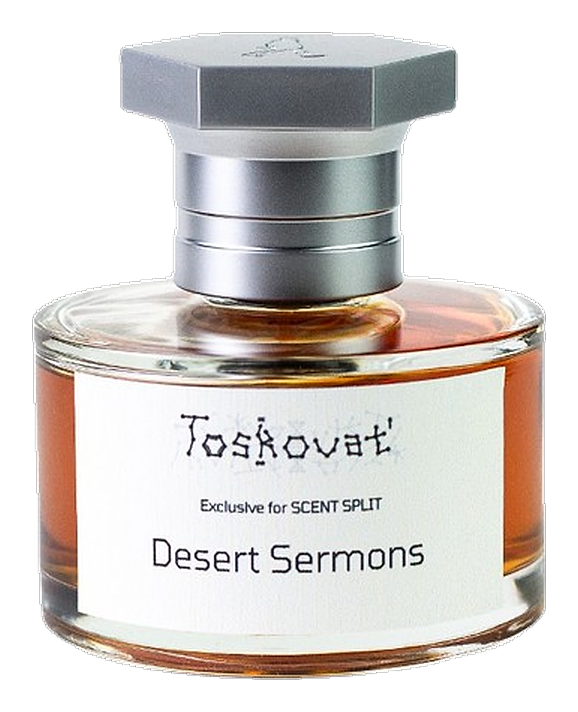
Fragrances featuring Calamus



Brands
Brands known for Calamus
Good to know
Questions, answered
The essentials on Calamus in perfumery: how it smells, where it comes from, and how it behaves on skin.
What does calamus root oil smell like?
Calamus opens with warm, spicy-cinnamic warmth closer to cinnamon bark than sweet spice. A green marshy note surfaces quickly, evoking wet reed beds and river mud. The dry-down resolves into dried tobacco, warm leather, and camphoraceous bitterness that lasts up to 120 hours on skin.
Why is calamus rarely used in mainstream perfumery?
Regulatory restrictions on beta-asarone content limit its use. The EU caps beta-asarone at 0.01% in fine fragrance, and IFRA effectively prohibits high-asarone oils in most consumer categories. This confines calamus to niche perfumery and specialist compound formulations.
What chemical constituent drives calamus regulation?
Beta-asarone, a phenylpropanoid constituting 70–96% of Indian and East Asian tetraploid oils, is classified IARC Group 2B (probable carcinogen). North American diploid varieties contain virtually none, making them the preferred source for perfumery.
How is calamus oil extracted?
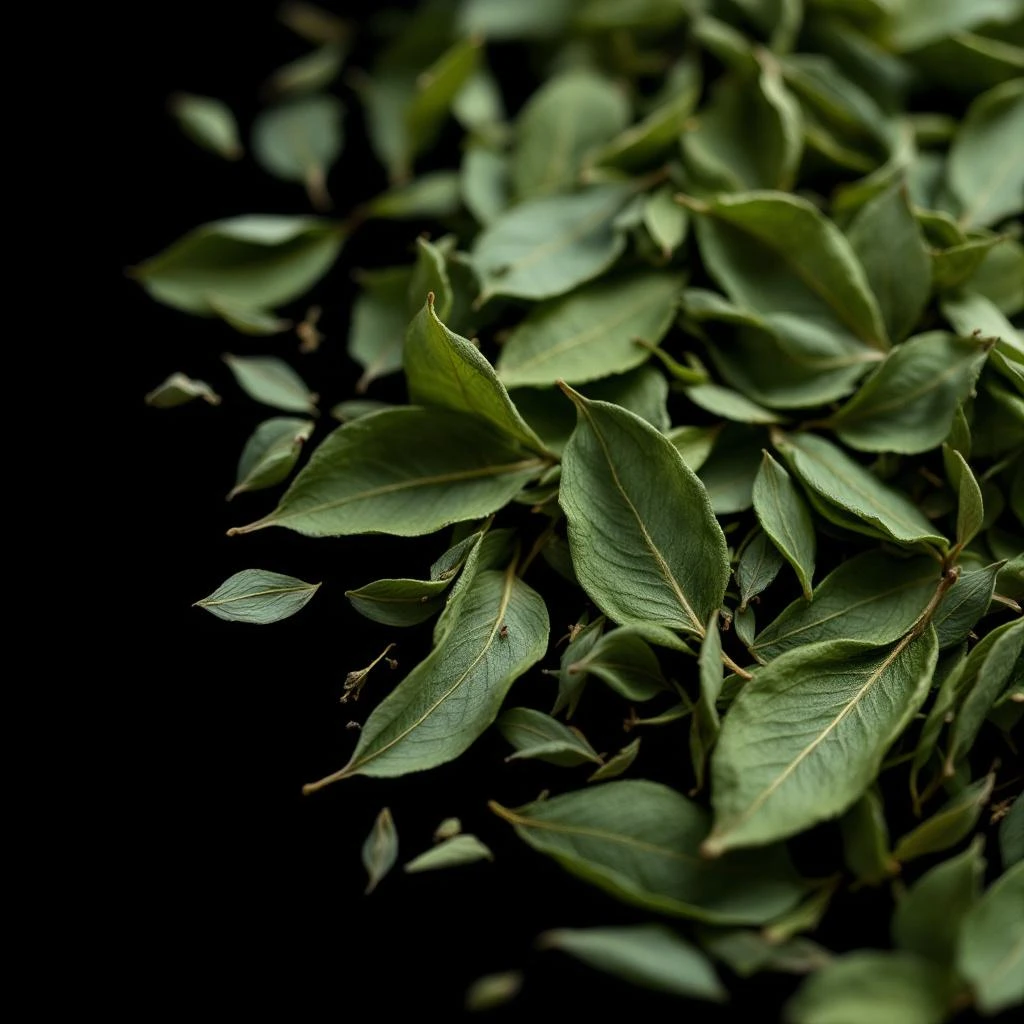
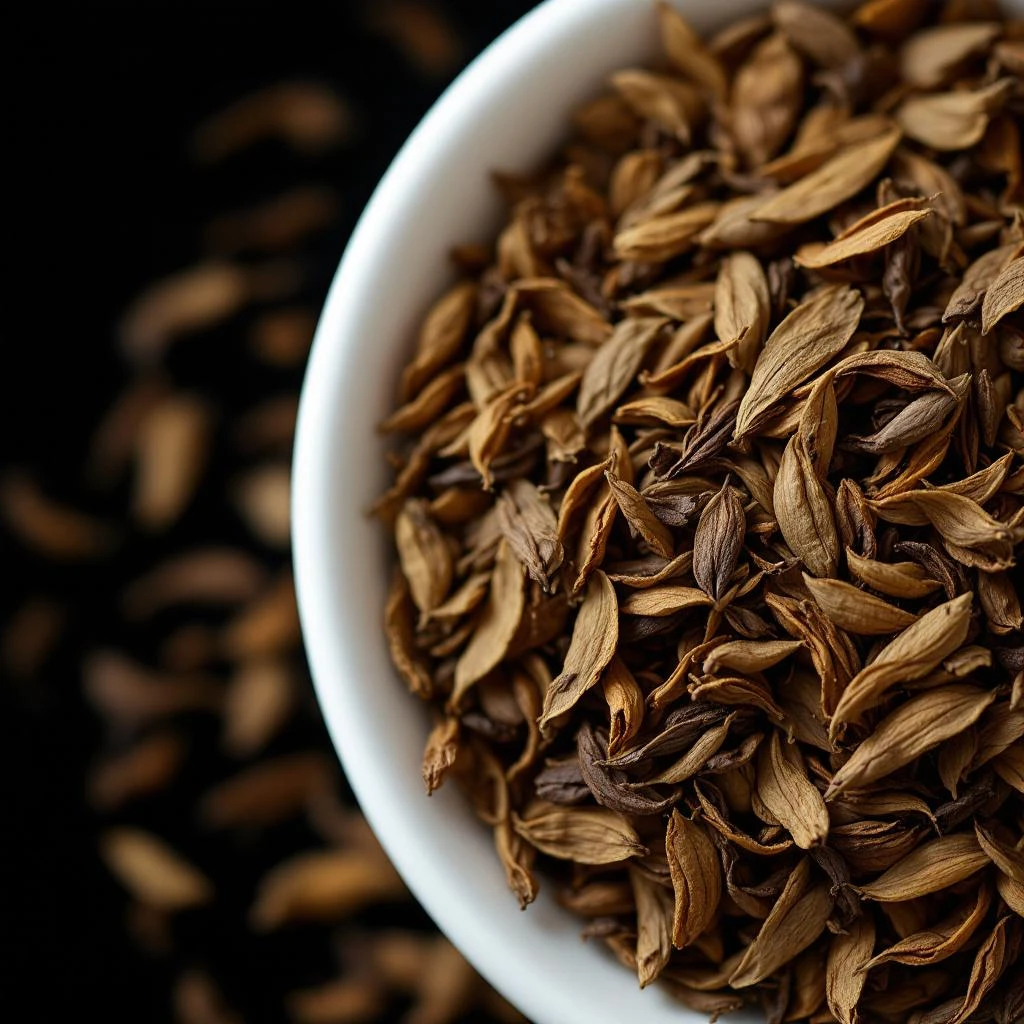
Steam distillation of dried, crushed rhizomes. The roots are harvested, cleaned, dried, and processed shortly after to preserve delicate sesquiterpenes including acorenone, preisocalamendiol, and shyobunone.
What fragrance families use calamus oil?
Calamus functions as a heart-to-base fixative in woody, oriental, and leather compositions. It adds tenacity and warm spicy complexity. Average usage in perfume compounds sits around 0.3% due to regulatory concentration limits.
Where does commercial calamus oil originate?
Primary sources include India, Poland, Hungary, the United States, Korea, and Japan. North American diploid varieties are preferred for perfumery due to their minimal beta-asarone content and cleaner regulatory profile.
Is calamus oil safe for cosmetic use?
Only when sourced from low-asarone varieties. EU Cosmetics Regulation Annex III limits beta-asarone to 0.01% in finished products. The FDA banned calamus from food use in 1968. IFRA standard restricts usage to 0.447% in Category 4 finished products.
What makes calamus a distinctive perfumery material?
Its uncommon tenacity (120-hour longevity), its ability to bridge spicy and balsamic notes, and its historical continuity. Calamus has been used in fragrance since Arabic-period Spain, yet remains unfamiliar to most consumers and remains a mark of perfumer's expertise.