Pollen
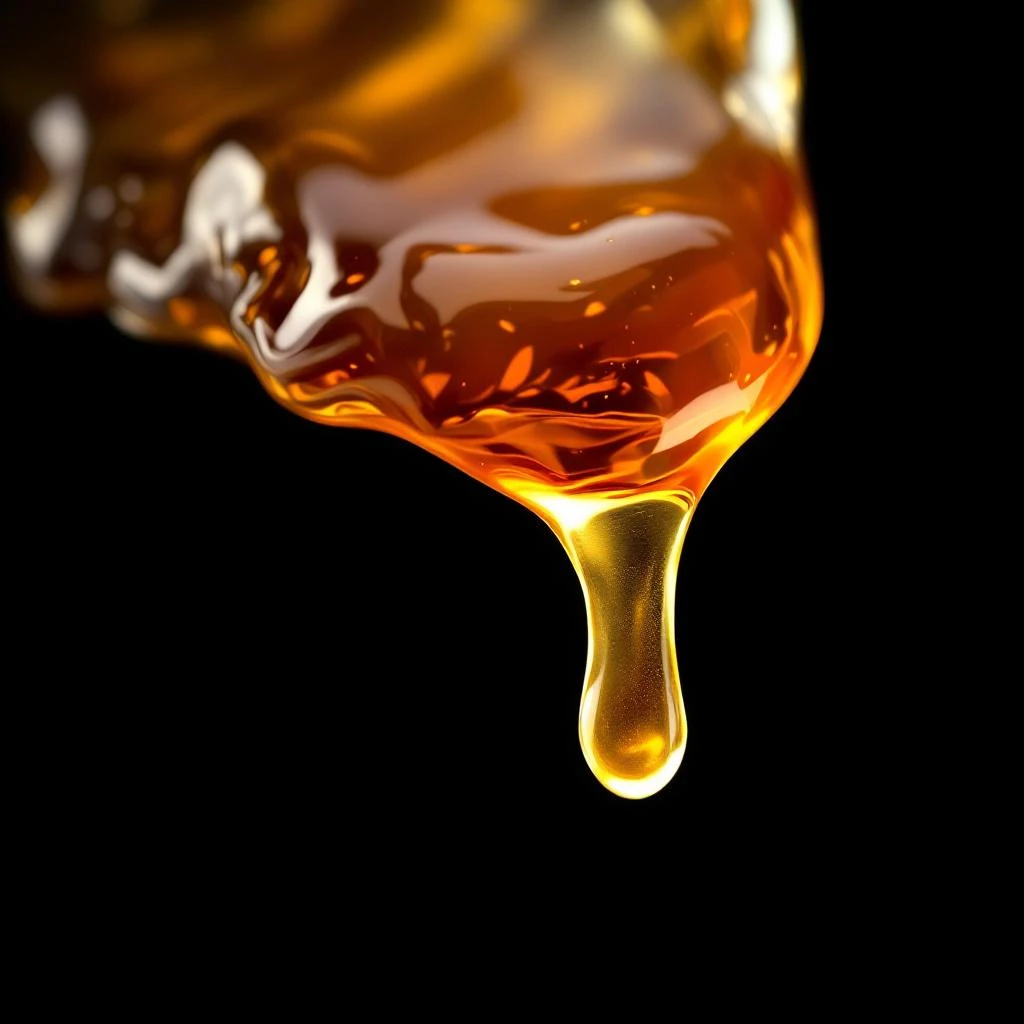
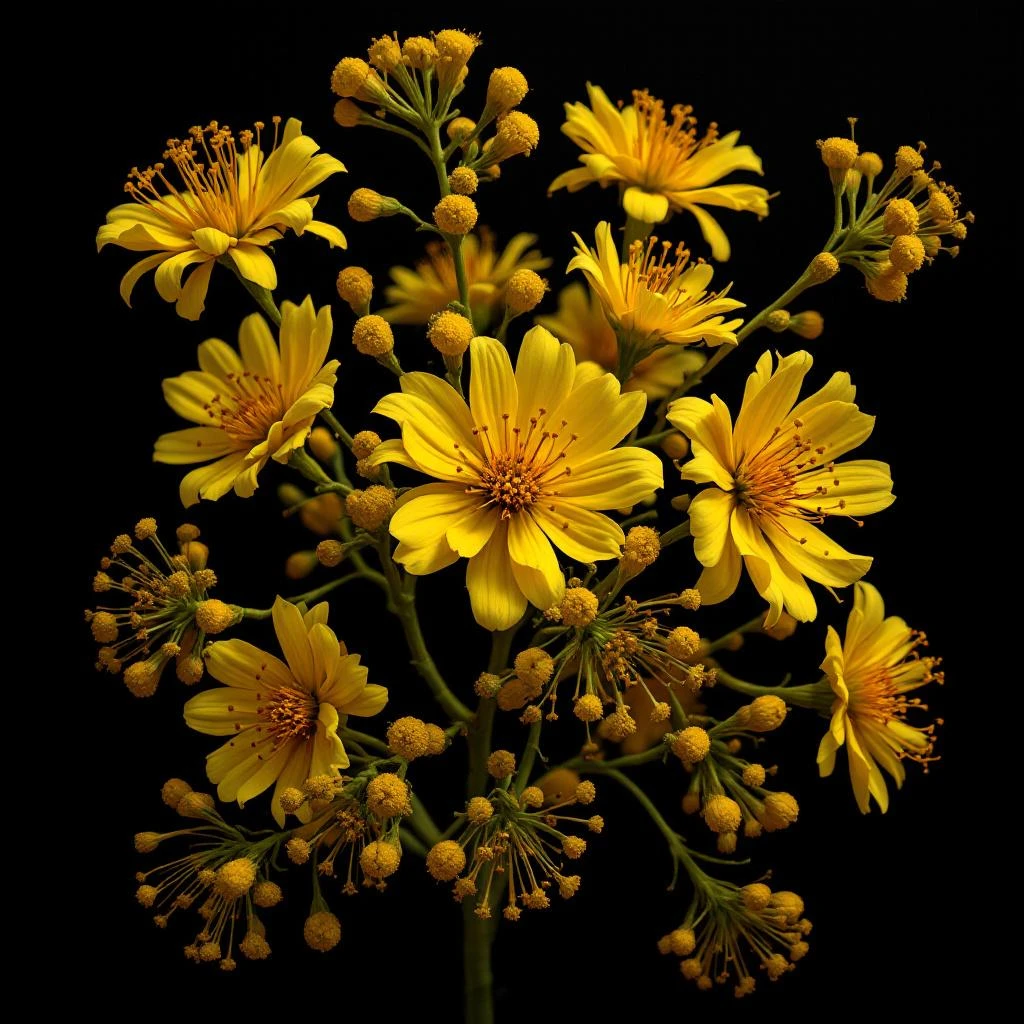
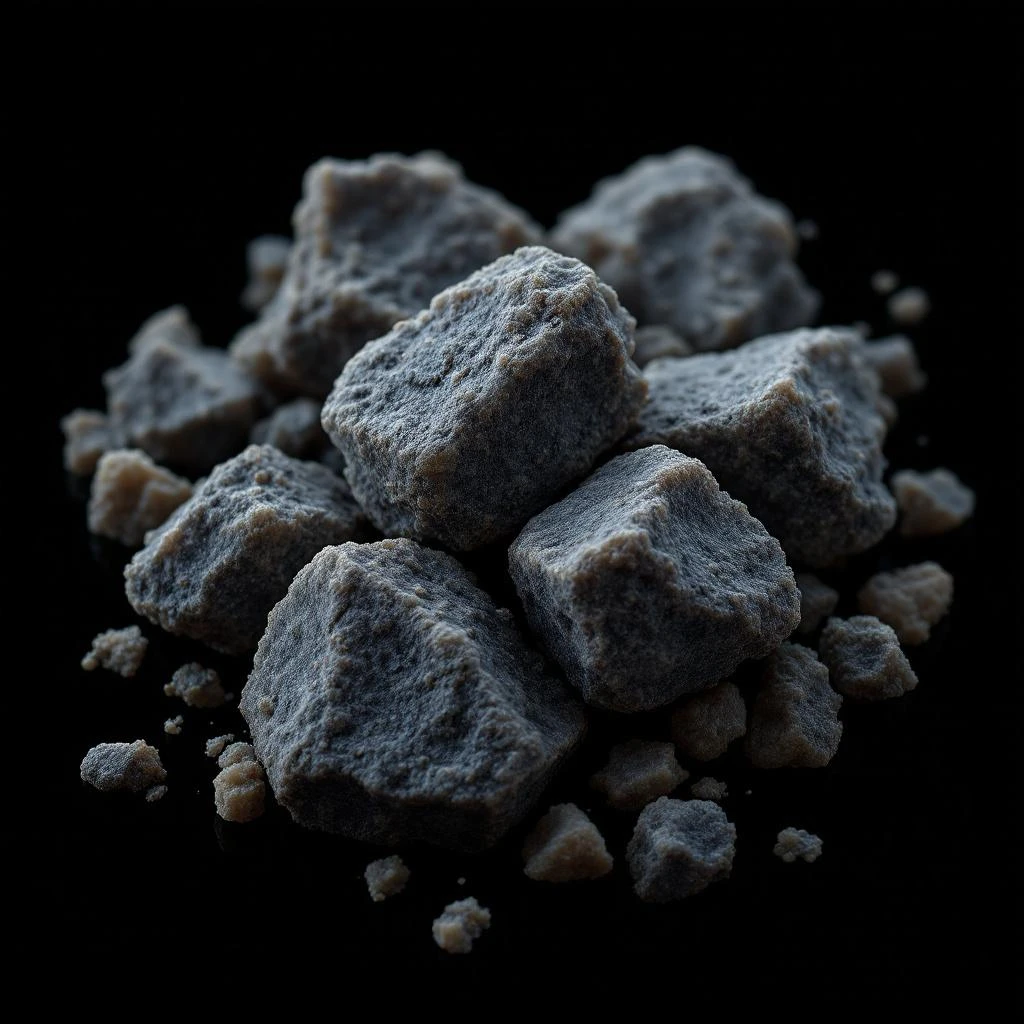
Pollen absolute captures the essence of spring in its rawest form. Extracted from bee-collected pollen, this rare perfumery material delivers a warm, honeyed complexity with dusty florals and subtle animalic undertones rarely found in conventional ingredients.

Character
How it smells
Nature's golden dust, concentrated.
A single bee colony can collect up to 500 pounds of pollen per year, yet only a small fraction becomes perfume material.





Origin
France
The relationship between bees and humans shaped early perfumery. Ancient Egyptians kept bees near temples to harvest wax and honey for sacred unguents.
Medieval apiaries in French monasteries produced pollen for medicinal preparations long before perfumers recognized its aromatic potential. The modern use of pollen absolute emerged in the late 20th century when perfumers sought ingredients bridging the gap between floral and animalic families.
Grasse houses began experimenting with pollen in the 1970s, inspired by naturalist texts describing pollen's role in hive communications and scents. Today, pollen remains a niche material, used sparingly to add depth and organic warmth to high-end compositions.
Wears it best
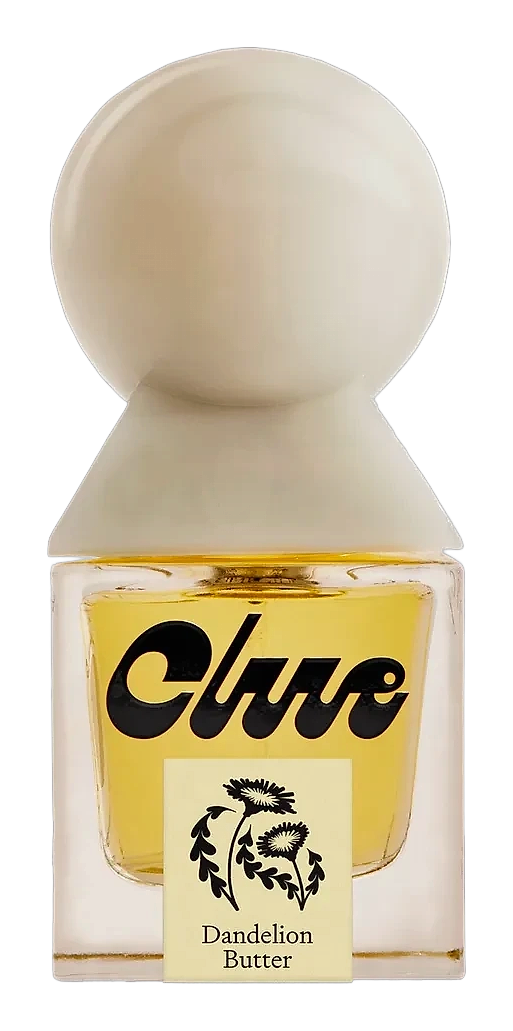
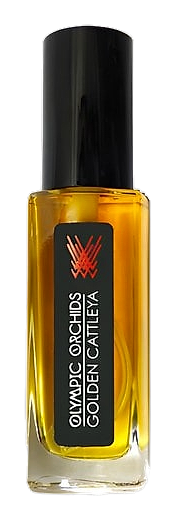
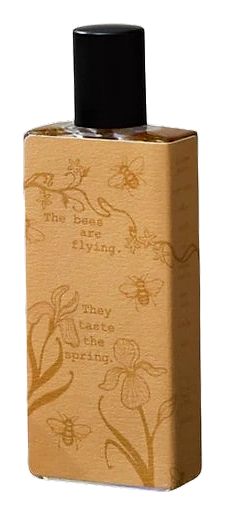
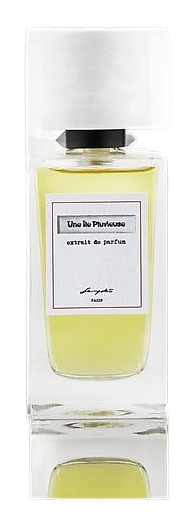
Fragrances featuring Pollen
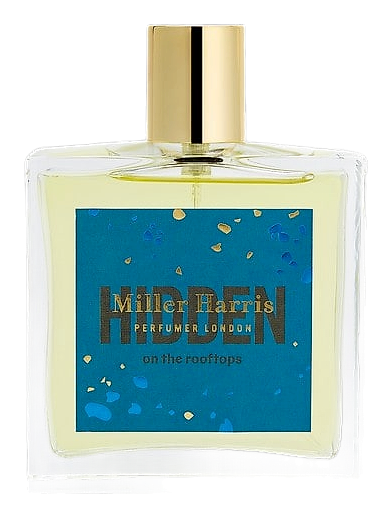
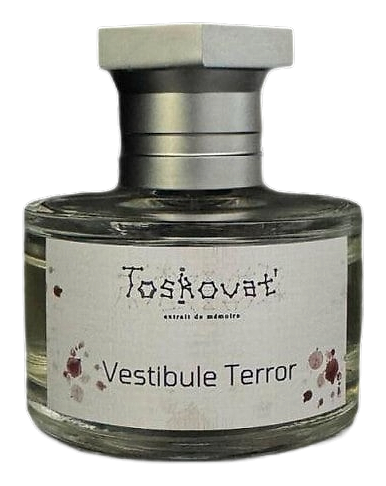
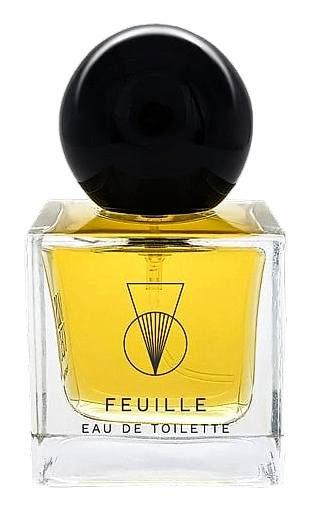
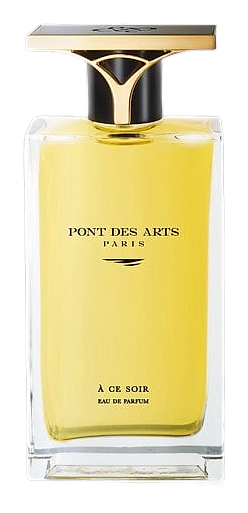
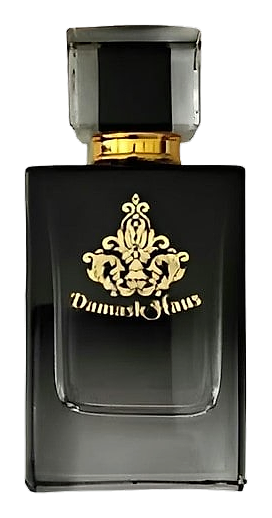
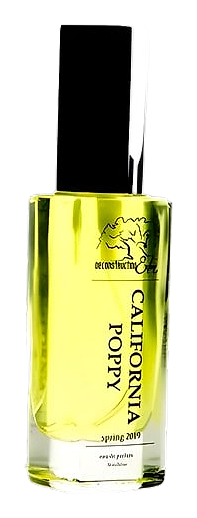
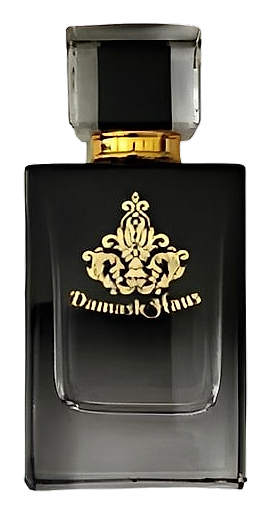
Brands
Brands known for Pollen
Good to know
Questions, answered
The essentials on Pollen in perfumery: how it smells, where it comes from, and how it behaves on skin.
What does pollen absolute smell like?
Pollen absolute presents a warm, honeyed profile with dusty hay notes, subtle floral undertones, and faint animalic warmth reminiscent of the hive environment.
Is pollen in perfume derived from bees?
Yes. Pollen absolute comes from granules that bees collect and store in hives. It is extracted using solvents to capture aromatic compounds.
How common is pollen in commercial fragrances?
Pollen absolute is a specialty ingredient. It appears in less than 5% of fine fragrances, primarily in niche and artisan perfumery.
Can pollen be synthesized artificially?
No synthetic equivalent fully replicates pollen's complexity. Certain honey-like molecules like phenylacetaldehyde approximate aspects, but natural pollen remains unmatched.
What type of fragrance family uses pollen?
Pollen functions as a bridge between floral and oriental families. It adds organic warmth to amber compositions and natural depth to chypre structures.
Does pollen cause allergic reactions in perfume?
Pollen itself may contain allergens similar to those in natural bee products. However, the extraction process and dilution in finished perfume significantly reduces reactivity.
How much pollen is needed to produce one kilogram of absolute?
Approximately 30 to 50 kilograms of raw bee-collected pollen yields one kilogram of absolute, reflecting its high concentration and rarity.
What seasons produce the best pollen for perfumery?
Late spring through early summer yields pollen with the most complex aromatic profile, coinciding with peak flowering periods across most temperate regions.




