The Story
Why it exists.
The beginning
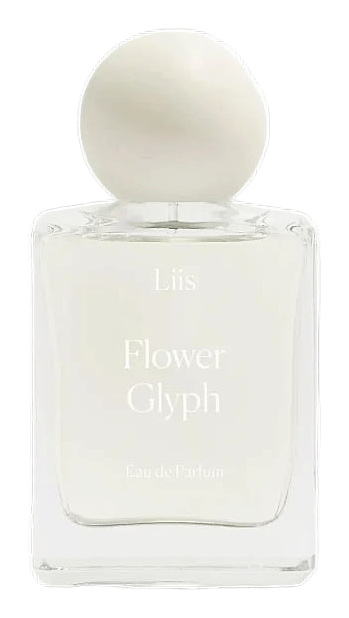
Flower Glyph arrived as a study in two languages: the visual precision of typography and the unruly vocabulary of a living flower. The brand drew inspiration from a typographer's mark, that small, deliberate symbol set above a letter, and from the slow, patient examination of a single blossom up close. Jean-Claude Ellena and Céline Ellena share credit for the composition, a partnership that filters botanical observation through decades of perfumery between them. What you get is a scent that reads like calligraphy: structured enough to hold its shape, expressive enough to surprise on skin. The ink note cools the fruit, the honeysuckle warms the ink, and somewhere in the tension between those gestures, the floral at the center finds room to bloom without ever crowding the frame.
The ink note is where this fragrance earns its name and its reputation. In perfumery, ink rarely means literal ink. Here, it functions as a cool, mineral-tinged counterweight to the fruit, the way a dark stroke of pigment gives a botanical illustration its weight and definition. Flower Glyph operates on a principle of restraint, every element earning its place rather than competing for attention. The blueberry is tart, not jammy, its blue-purple acidity cutting against the mineral depth of the ink like a wash of watercolor over graphite.
The evolution
The first fifteen minutes belong to ink and blueberry, a cool opening that reads more like a bruise on white paper than a fruit. Then the mirabelle plum swells in, sticky and golden, pulling honeysuckle behind it like a thread unspooling. The heart phase is the loudest this fragrance gets, and even there, the volume stays conversational. By the two-hour mark, jasmine sambac and pollen have taken over completely. The fruit is gone. What remains is a warm, golden floral with a faintly sweet, hay-like undertone, the smell of pollen drifting through still air. The drydown softens further as the hours pass, the jasmine deepening into something almost narcotic while the pollen recedes into a whisper. On fabric, the fragrance lingers well into the next day, its character shifting from the bright fruit-and-ink of the opening to a quieter, skin-like warmth.
Cultural impact
Flower Glyph occupies a particular corner of contemporary perfumery, one where botanical realism meets a more graphic, illustrative sensibility. The ink-and-fruit pairing feels distinct in a landscape crowded with straightforward florals, and the restraint on display here sets it apart from compositions that aim for maximum impact. The fragrance reads as a complete thought rather than a collection of separate notes, each material contributing to a unified impression rather than announcing itself in isolation.