The Story
Why it exists.
The beginning
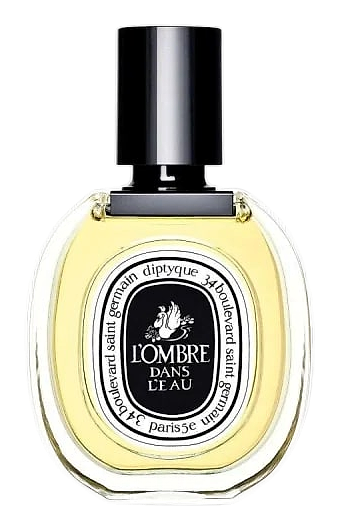
L'Ombre dans l'Eau was composed in 1983 by Desmond Knox Leet for Diptyque. The name means the shadow on the water, and that image is the entire fragrance. Not a concept, not an abstract idea. A specific quality of light: the kind that falls across a riverbank in late afternoon, when everything goes quiet and green and reflective. Knox Leet built the composition around blackcurrant, leaf, bud, and all their tart, green complexity, to give the rose a structure it rarely gets in perfumery. The blackcurrant leaf opens with a sharp, green bite, almost vegetable, like crushing a fresh leaf between your fingers. The bud follows with a tart, fruity dimension that lingers through the heart, preventing the rose from ever becoming simply sweet.
Blackcurrant is unusual as a structural note. Here, the blackcurrant leaf and bud carry the entire composition. The leaf provides a sharp, green, almost bitter quality at the top. The bud adds a tart, fruity dimension that shapes the heart. Together, they give the rose something to hold onto, a framework of green and tart that prevents the flower from becoming soft or predictable. It's a composition built on tension: green against floral, tart against sweet, structure against abandon. The result is a green-floral with real clarity. Every material is present and distinguishable.
The evolution
The opening is immediate and specific: fresh blackcurrant leaf, green and tart, with a slightly bitter edge that reads as botanical rather than sweet. The petitgrain adds an aromatic citrus dimension, bitter, slightly woody, almost medicinal. Together they create an opening that is sharp, green, and entirely intentional. It announces itself without projecting. Then, as the top notes begin to recede, the rose emerges. Not immediately, it takes its time, arriving quietly as the greenness softens around it. The Damask rose here is lush and full-bodied, more garden than bouquet. It spreads across the skin slowly, like petals falling onto damp moss. The blackcurrant bud adds a subtle tartness that keeps the rose from becoming sweet or heavy. What develops is a green-floral that feels both natural and carefully composed. By the drydown, the rose becomes quieter but never disappears. The blackcurrant greenness lingers last, tart, slightly bitter, fading slowly over hours. It's a quiet drydown. Close to the skin, barely noticeable unless someone leans in.
Cultural impact
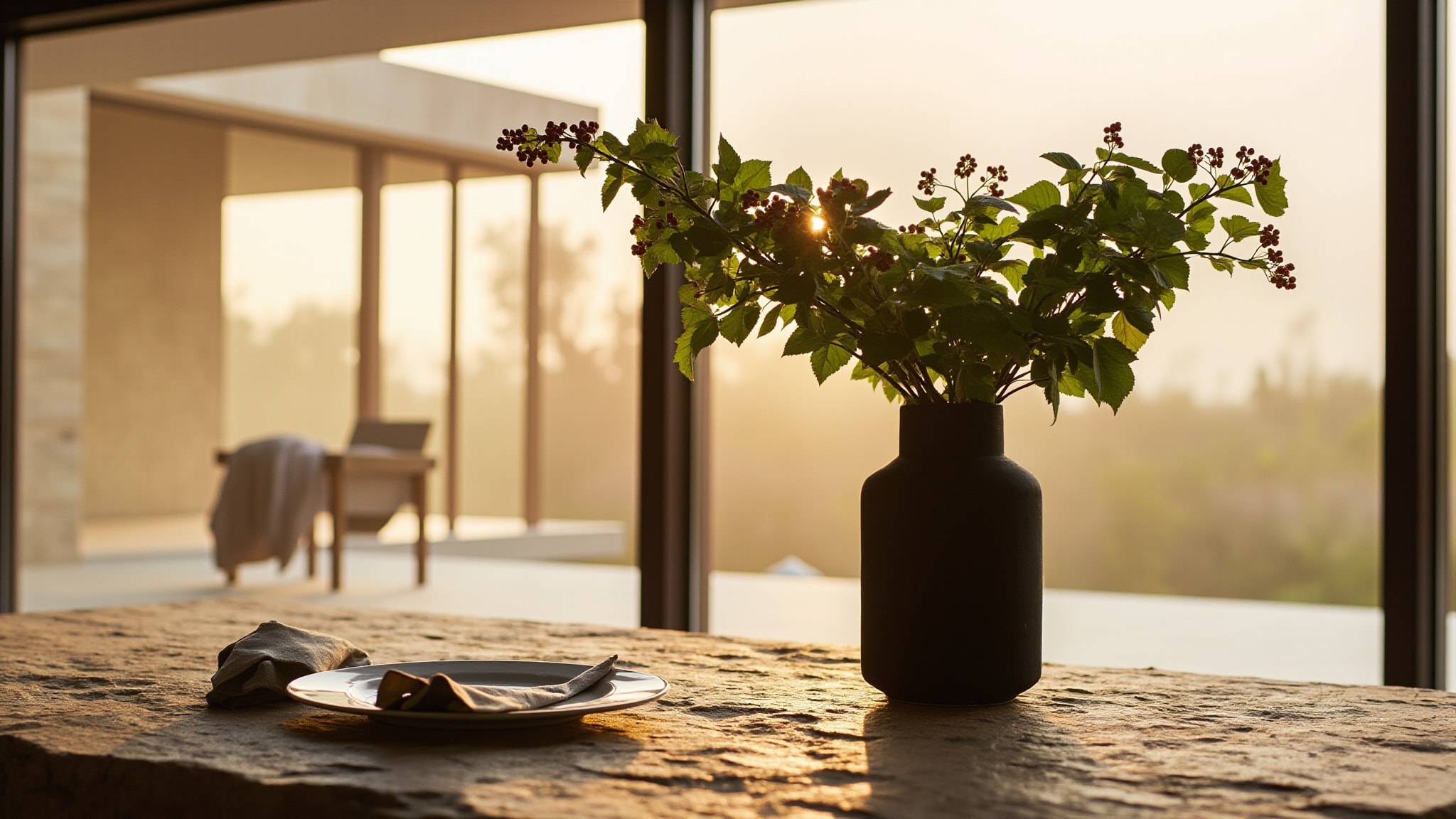
L'Ombre dans l'Eau has endured since 1983 as a reference for green-floral complexity. Its blackcurrant-and-rose structure offers something different, a fragrance that prioritizes clarity and naturalism over opulence. The cool, green opening and the tart fruitiness of the blackcurrant bud create a scent that feels like standing by a river on a late summer afternoon, where the light is soft and the air is fresh.