Blackcurrant Bud
Blackcurrant bud absolute (bourgeons de cassis) is a rare perfumery ingredient prized for its intensely green, fruity aroma with sulfurous undertones. Unlike synthetic cassis bases, the natural absolute delivers a complex character bridging tart berry and vegetative freshness. It serves as an exceptional modifier in floral, chypre, and fruity compositions where depth and naturalism are paramount.
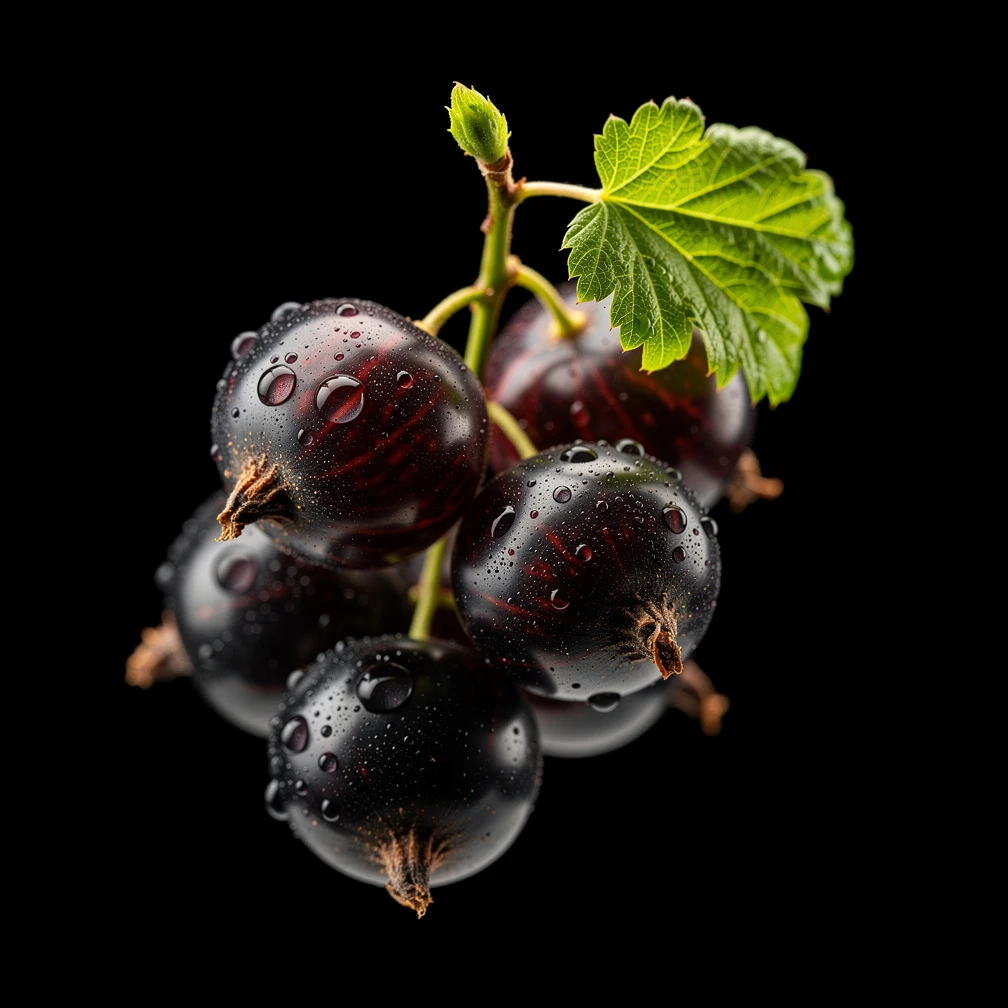
Character
How it smells
The living scent of early spring, captured in a bud.
Approximately one ton of blackcurrant buds yields just one kilogram of absolute, making bourgeons de cassis one of perfumery's most labor-intensive and precious botanical materials.









Origin
France
Blackcurrant cultivation began in Burgundy during the 16th century, and the region has remained synonymous with this aromatic crop ever since. By 1841, the city of Dijon had established itself as the center for cassis production, creating what would become one of France's most distinctive regional products. The perfumery industry recognized the potential of the buds shortly after, developing extraction methods tailored to their unique aromatic profile.
The distinction between natural bourgeons de cassis and synthetic cassis bases represents one of perfumery's ongoing conversations about authenticity. Natural blackcurrant bud absolute contains sulfur-containing compounds that contribute to its characteristic, slightly animalic complexity. These molecules are difficult and expensive to recreate artificially, which is why natural cassis absolute commands a premium and remains relatively uncommon in fragrance formulations. Its use signals a commitment to natural materials that persists among traditionalist perfumers.
Wears it best
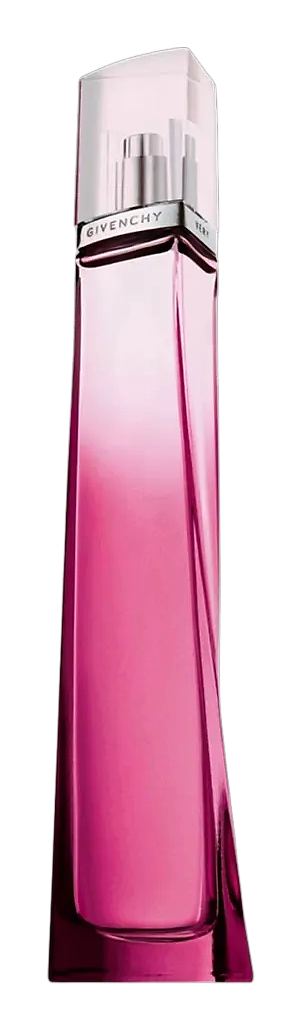
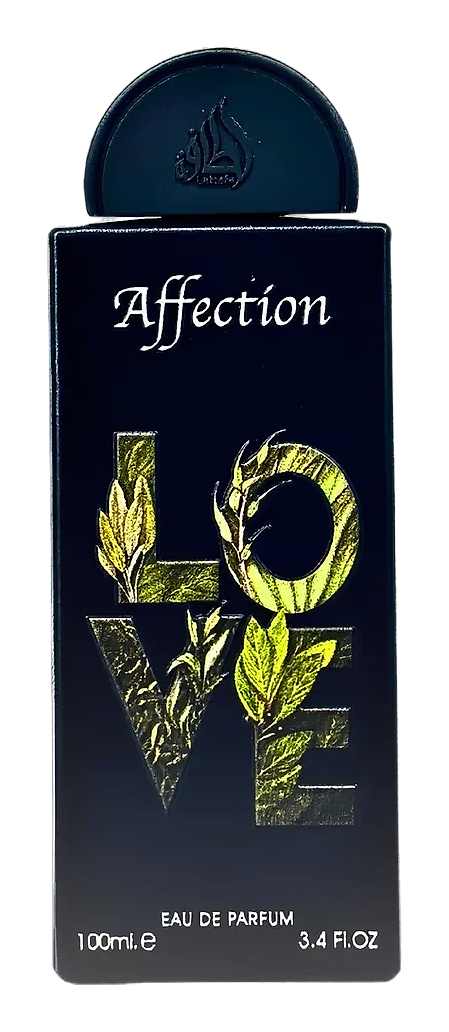
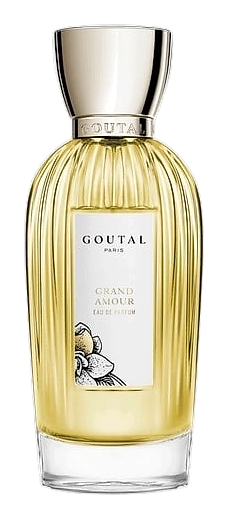
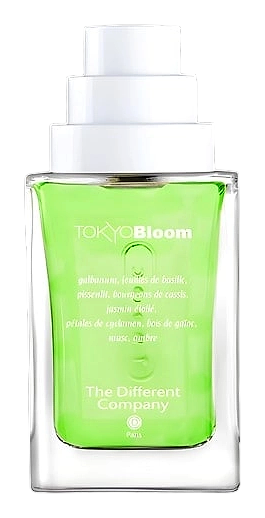
Fragrances featuring Blackcurrant Bud
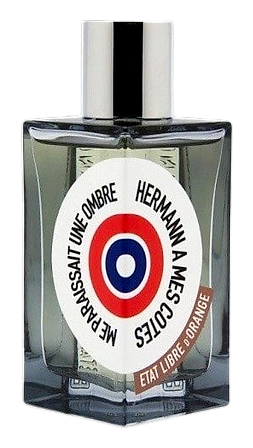
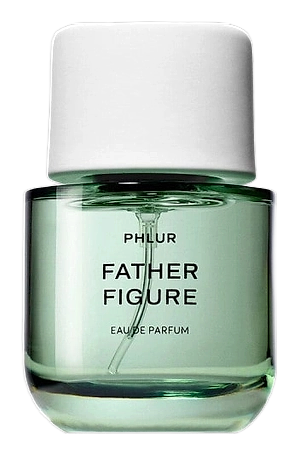
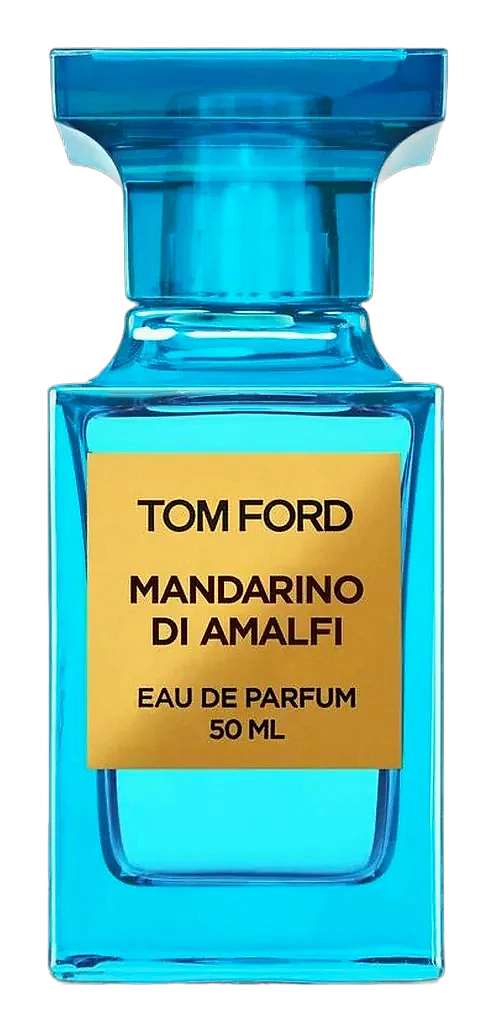
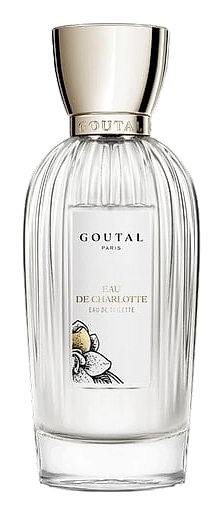
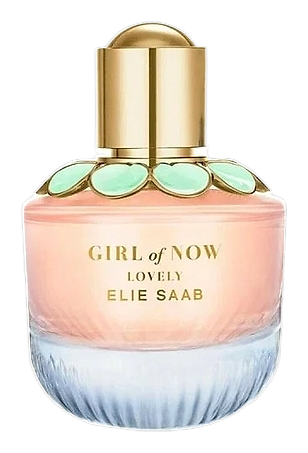
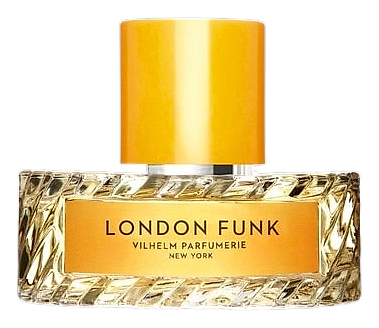
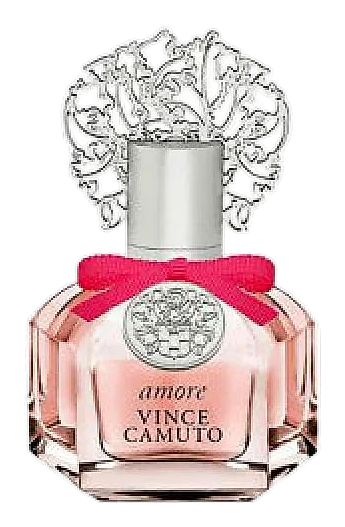
Brands
Brands known for Blackcurrant Bud
Good to know
Questions, answered
The essentials on Blackcurrant Bud in perfumery: how it smells, where it comes from, and how it behaves on skin.
What does Blackcurrant Bud smell like in perfume?
Blackcurrant bud absolute smells intensely green and fruity, with a distinctive sulfurous undertone that distinguishes it from synthetic cassis. The aroma captures the freshness of early spring, combining tart berry-like qualities with vegetative, almost leafy nuances. No artificial reproduction has fully captured this complex character.
Why is Blackcurrant Bud used in perfumery?
Blackcurrant bud absolute serves as a natural modifier that adds depth and perceived naturalism to fragrance compositions. Perfumery tests confirm that even small quantities significantly enhance fruity and floral constructions with an organic quality that synthetics struggle to match. Its rarity also carries cachet among discerning formulators.
Is Blackcurrant Bud in perfume natural or synthetic?
Both forms exist. Natural Bourgeons de Cassis absolute comes from Ribes nigrum buds through solvent and ethanol extraction. Synthetic cassis bases were developed to approximate the aroma at a lower cost. The natural version contains sulfur compounds that no synthetic has successfully replicated in full, making it distinguishable to trained evaluators.
What famous perfumes contain Blackcurrant Bud?
Blackcurrant bud absolute appears in numerous French luxury fragrances, particularly those from the chypre and floral families. It features prominently in compositions from heritage houses that prioritize natural materials. Specific formulations are typically guarded as trade secrets, but industry references confirm its use in multiple award-winning releases.
Is Blackcurrant Bud a top note, heart note, or base note?
Blackcurrant bud functions primarily as a heart-to-top note bridge in perfumery. Its volatile compounds project immediately upon application, but the material also demonstrates reasonable tenacity in the dry-down. This dual character makes it versatile for connecting bright opening accords with more substantive middle and base layers.
What notes pair well with Blackcurrant Bud in perfume?
Blackcurrant bud absolute pairs naturally with rose, bergamot, and other fruity materials like raspberry and peach. It also harmonizes well with woody bases such as sandalwood and vetiver, and complements green notes including galbanum and violet leaf. These combinations enhance its fresh, vegetative character.
How is Blackcurrant Bud extracted?
Fresh blackcurrant buds undergo solvent extraction to produce a concrete, followed by ethanol extraction of that concrete to yield the absolute. This two-stage process separates the aromatic compounds from vegetable waxes. Production of approximately one kilogram of absolute requires roughly one ton of fresh buds, reflecting the ingredient's rarity and cost.
Is Blackcurrant Bud used in men's or women's fragrances?
Blackcurrant bud absolute is used across men's, women's, and unisex fragrances without gendered restriction. Its green-fruity versatility suits masculine fougeres and aquatic compositions equally well as feminine florals and chypres. The material's role as a bridging element makes it gender-neutral in practice.