Blackcurrant Leaf
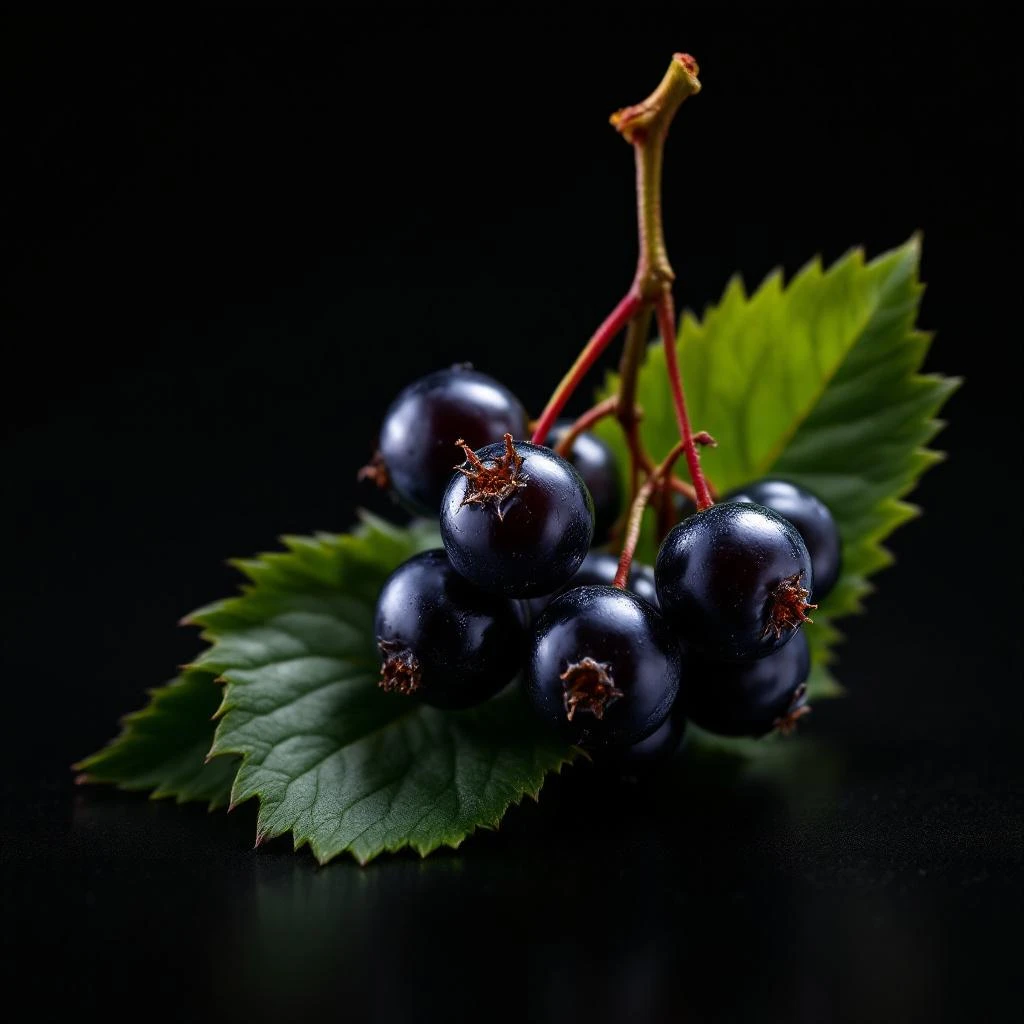
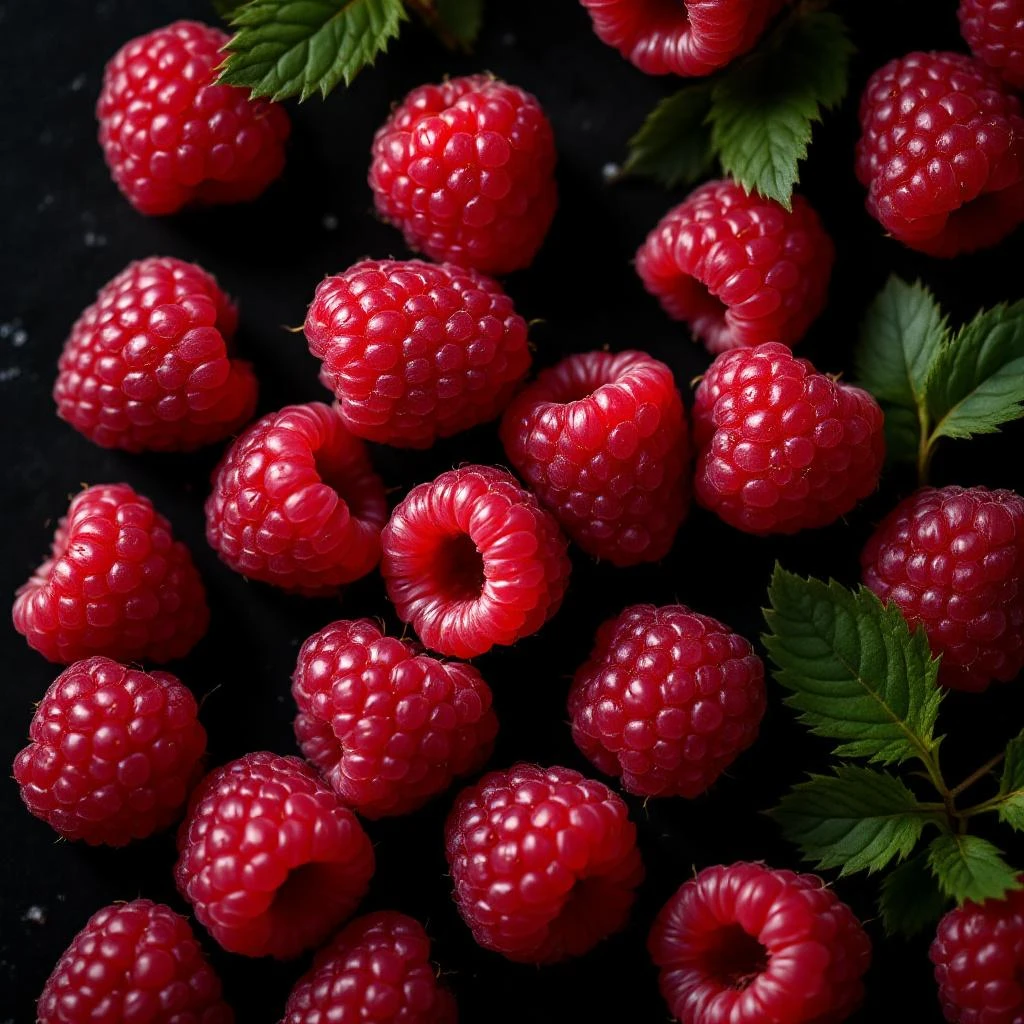
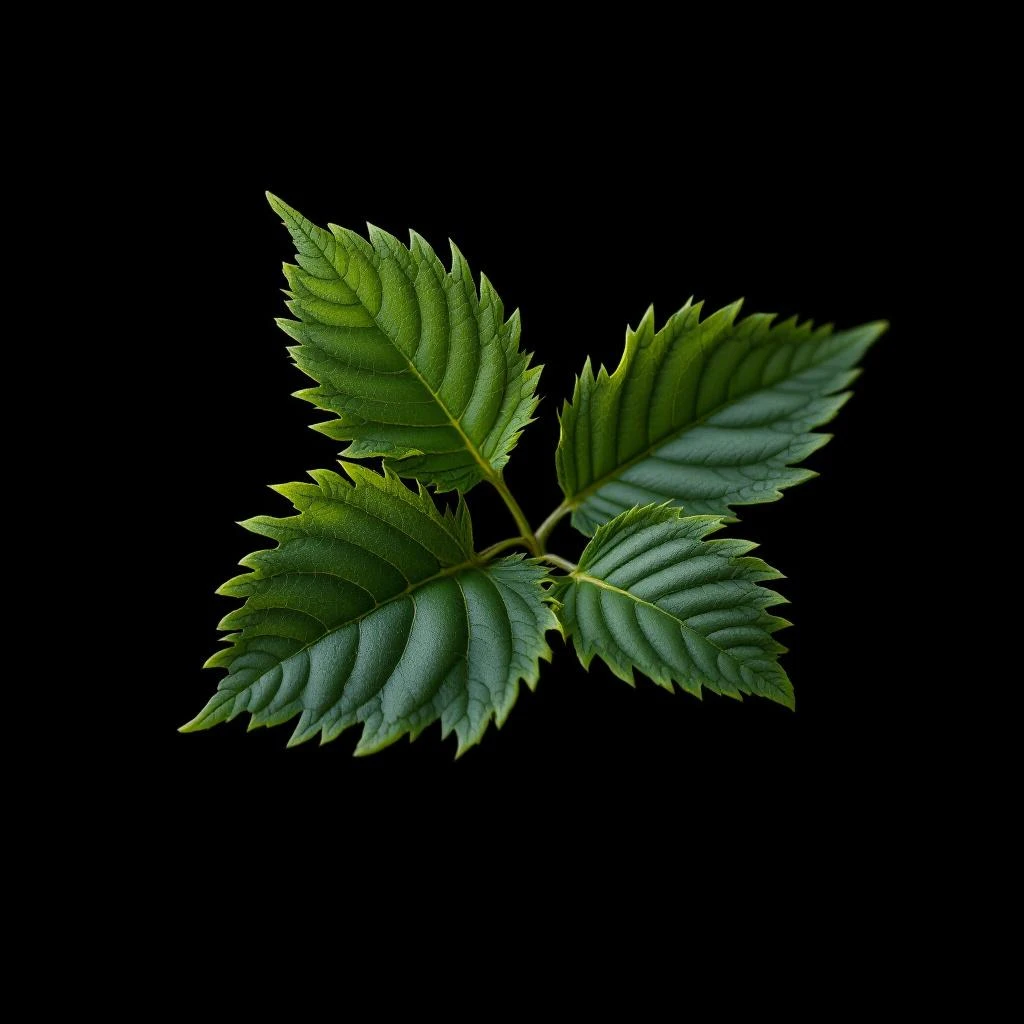
A sharp, green note cut with tart fruit. Blackcurrant leaf absolute captures the scent of crushed foliage and unripe berries, lending perfume an acidic freshness and wild, garden-edge character.
Character
How it smells
Green leaves, tart berries, wild edge
France produces over 40% of the world's blackcurrant leaf absolute, most of it from Burgundy plantations originally cultivated for the liqueur Cassis de Dijon.









Origin
France
Blackcurrant as a perfumery material entered modern fragrance in 1969, when Guerlain introduced Chamade, a composition credited with popularizing the bud-and-leaf note known in French as bourgeons de cassis. Before that, the plant was prized almost exclusively in gastronomy and liqueur production, particularly in Burgundy, where crème de cassis has been made since the 19th century.
The leap from kitchen garden to perfumer's organ reflects a broader 20th-century interest in green, naturalistic accords following the success of materials like galbanum and fig leaf. By the early 1970s, blackcurrant bud and leaf absolutes had become signature ingredients in many French fine fragrances, valued for the bright, tart lift they gave to floral and chypre structures.
The note has remained a fixture in perfumery ever since, anchoring compositions that aim for the sensation of walking through a hedgerow in early summer. Today, both natural absolute and sophisticated synthetic reconstructions continue to appear in mainstream and niche launches.
Wears it best
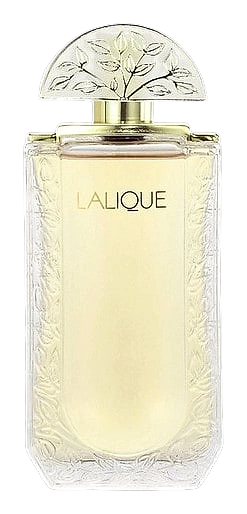
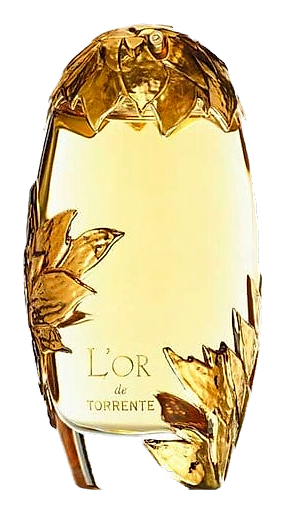
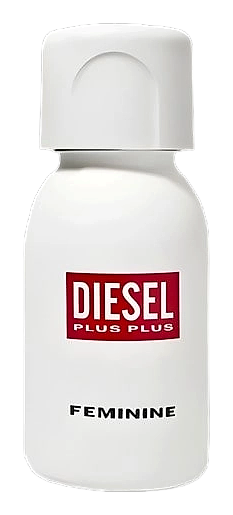
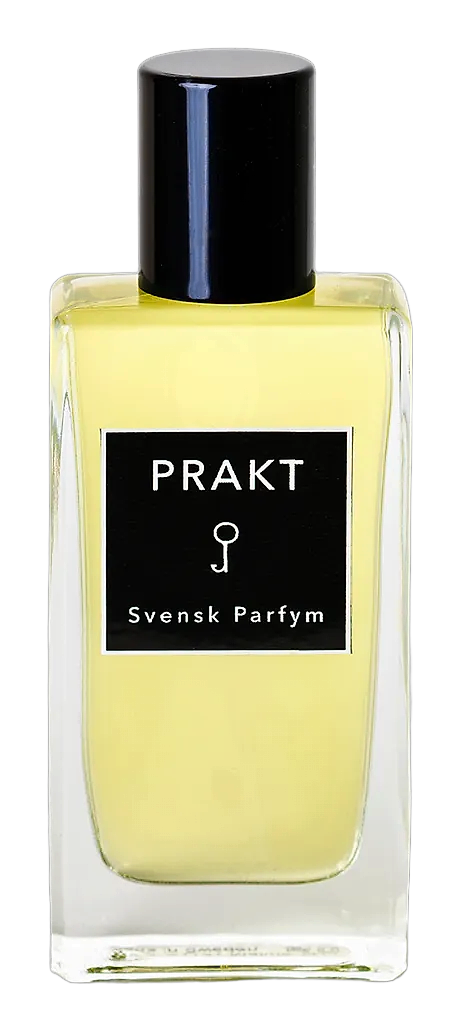
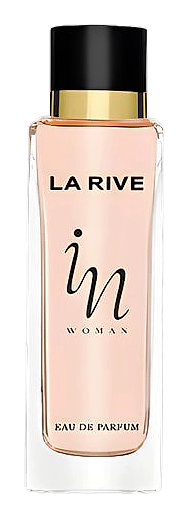
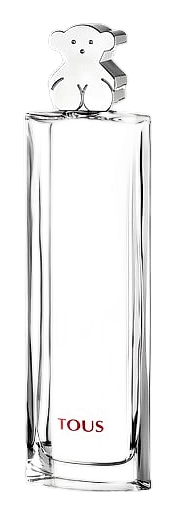
Fragrances featuring Blackcurrant Leaf
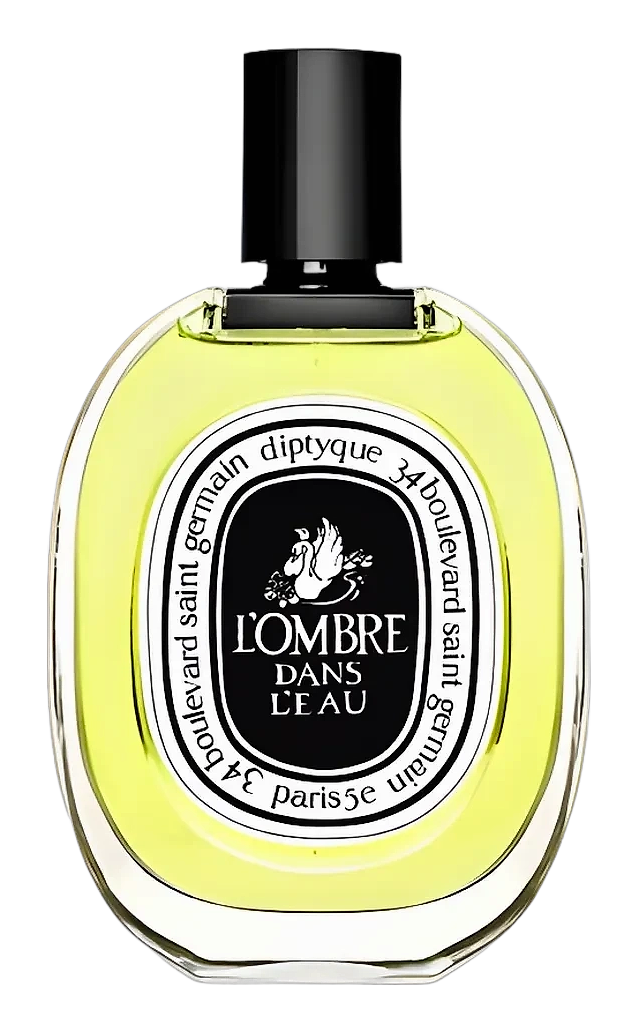
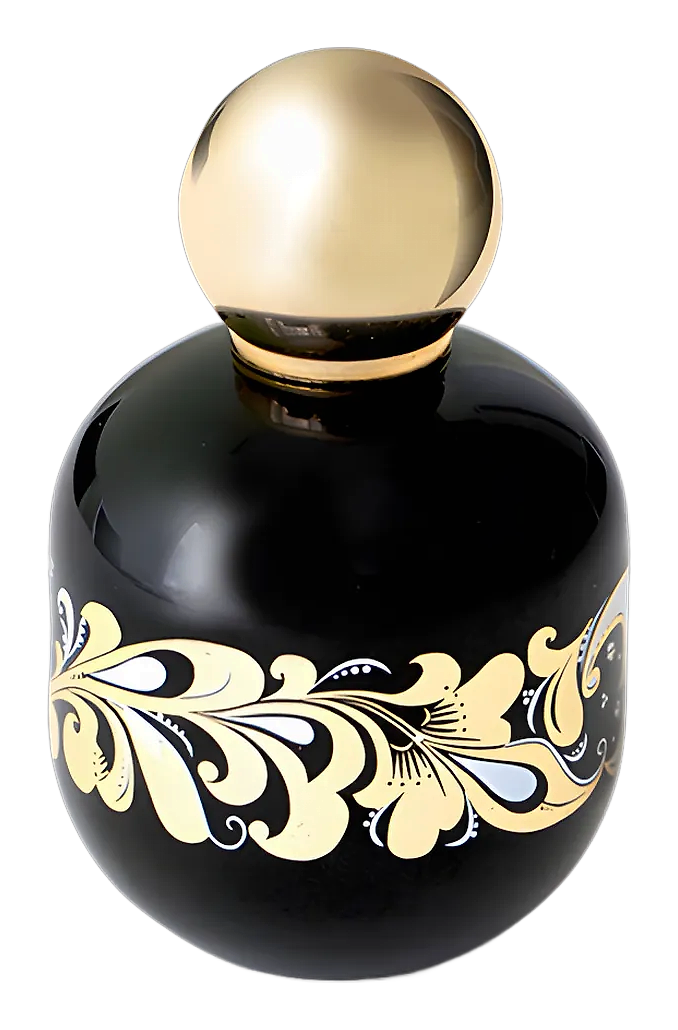
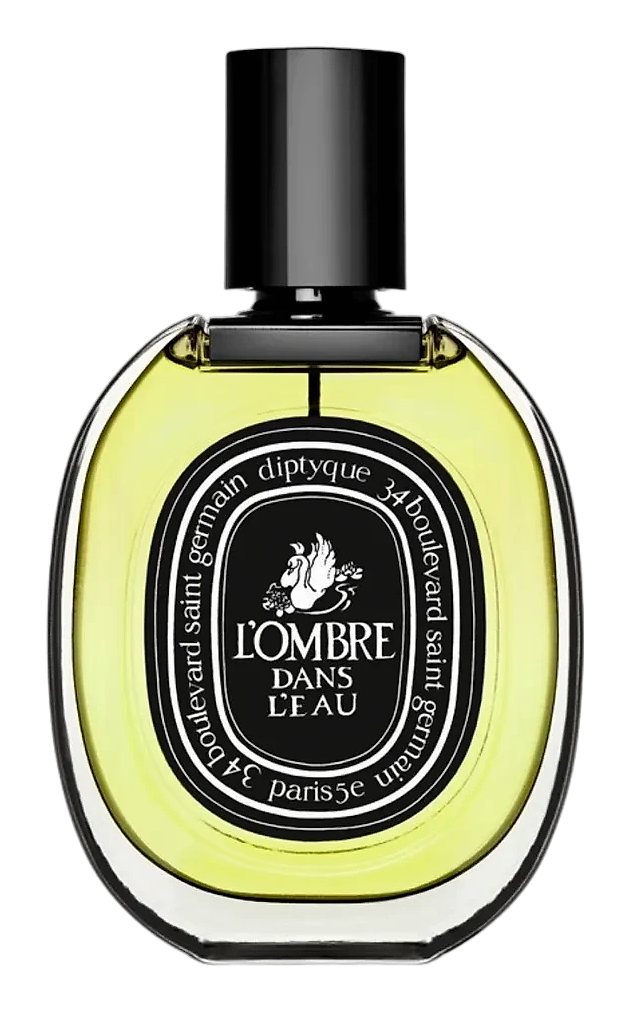
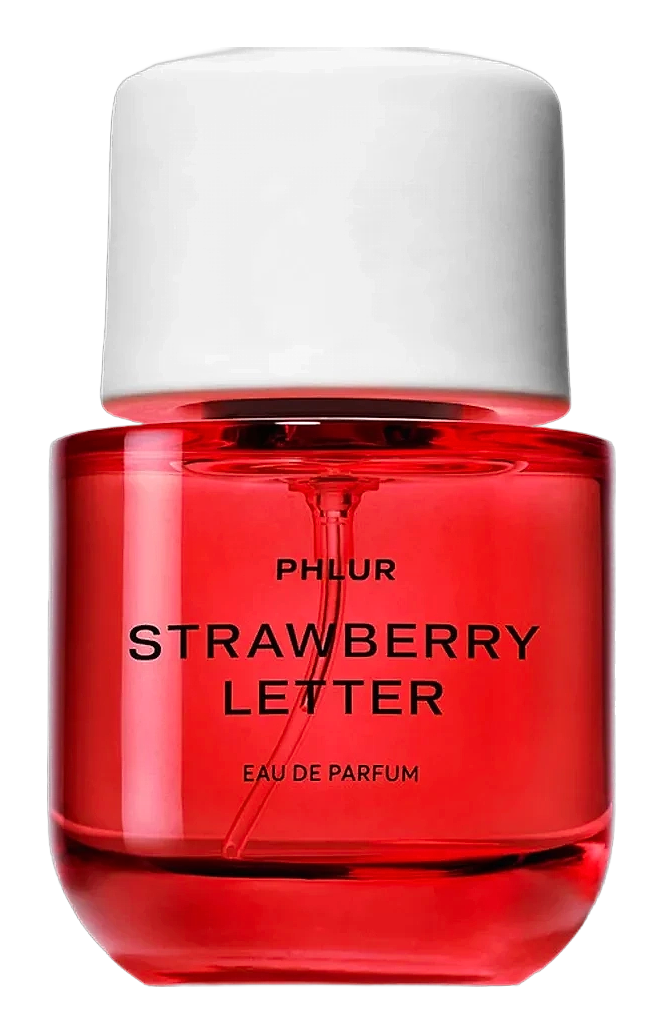

Brands
Brands known for Blackcurrant Leaf
Good to know
Questions, answered
The essentials on Blackcurrant Leaf in perfumery: how it smells, where it comes from, and how it behaves on skin.
What does blackcurrant leaf smell like in perfume?
It smells sharp, green, and tart, with crushed-foliage freshness layered over unripe-fruit acidity. Many detect a subtle cat-like, sulfurous edge that gives the note its wild, hedgerow character in fragrance compositions.
When was blackcurrant leaf first used in perfumery?
Guerlain introduced it to fine fragrance in 1969 with the launch of Chamade. The note helped define the green-floral style of late-1960s French perfumery and remains widely used today.
Where does blackcurrant leaf absolute come from?
France leads production, accounting for over 40% of global output. Most material is sourced from Burgundy and the Loire Valley, regions long associated with cassis liqueur cultivation.
How is blackcurrant leaf absolute extracted?
Fresh young shoots and buds are shade-dried, then treated with hydrocarbon solvents like hexane. The resulting concrete is washed with ethanol to remove waxes, yielding a clear absolute at roughly 80% of the concrete's weight.
Is blackcurrant leaf natural or synthetic?
Both exist. Natural bourgeons de cassis absolute is solvent-extracted from Ribes nigrum, while synthetic reconstructions use sulfur-containing molecules to approximate its distinctive green, cat-like scent.
What perfume families use blackcurrant leaf?
It appears most often in green, fruity, and chypre constructions, where its tart brightness lifts florals and adds a naturalistic edge. It also features in modern gourmand and aromatic fragrances seeking a fresh, acidic top note.
Why does blackcurrant leaf smell slightly animalic?
The note contains trace sulfur compounds, including thiols, that produce a subtle cat-like or budgie-cage quality. This edgy sharpness is precisely what perfumers prize, balancing sweeter florals and fruits.
Is blackcurrant leaf the same as cassis bud?
In perfumery the two are closely related and often sold collectively as bourgeons de cassis. The absolute typically combines material from both unopened buds and young leaves of Ribes nigrum.