Ink
Ink in perfumery is a modern, synthetic accord that captures the metallic, mineral sharpness of wet ink meeting paper. It adds an austere, contemplative edge to compositions, evoking libraries and intimate correspondence.

Character
How it smells
The sharp whisper of graphite and wet paper
Ink notes are never derived from actual ink. They are constructed from synthetic molecules like those used in the metal-smoke and paper accords first explored by perfumers in the late 20th century.








Origin
France
Ink as a perfumery concept has almost no history in classical perfumery, because the raw material is entirely modern. For most of fragrance's documented past, perfumers worked with botanical and animal extracts, not conceptual reconstructions.
The ink note emerged alongside the rise of artistic, avant-garde perfumery in the 1990s and early 2000s, when a generation of independent perfumers began exploring abstract accords inspired by materials other than flowers, woods, and resins. The development of new synthetic molecules during this period, including specialized pyrazines and metallic-smelling ketones, gave perfumers the tools to approximate the scent of wet ink on paper for the first time.
Before this, any ink-like quality in a fragrance came incidentally from ingredients such as birch tar or oakmoss, which carried similar bitter, smoky tones. The deliberate construction of ink as a standalone note represents one of perfumery's newer creative frontiers, born from chemistry rather than agriculture.
Wears it best
Fragrances featuring Ink


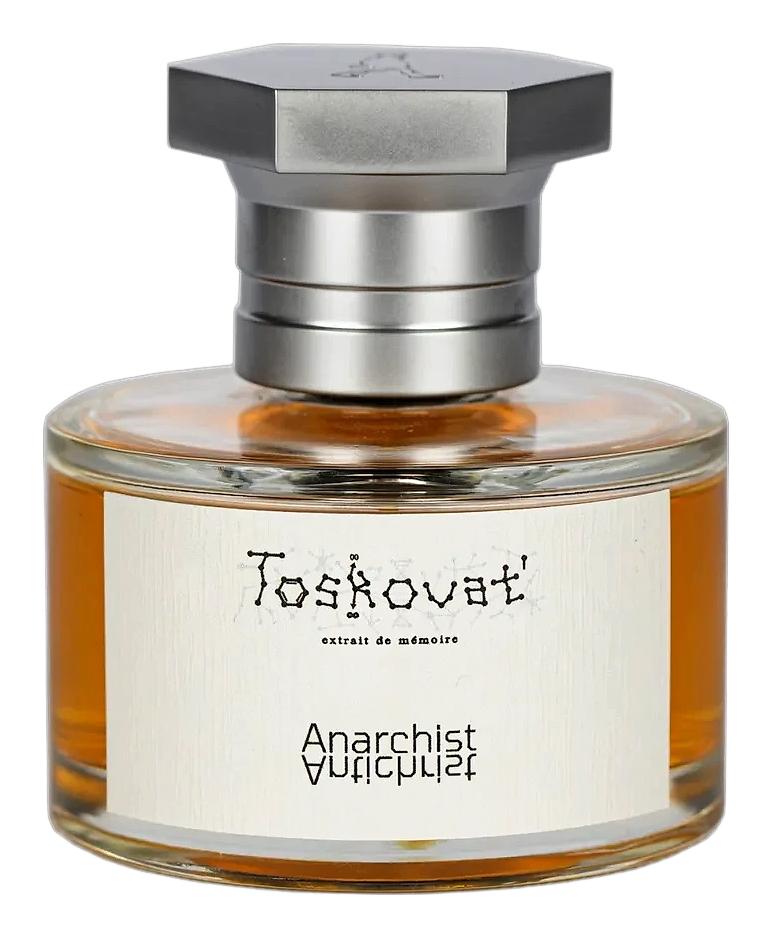

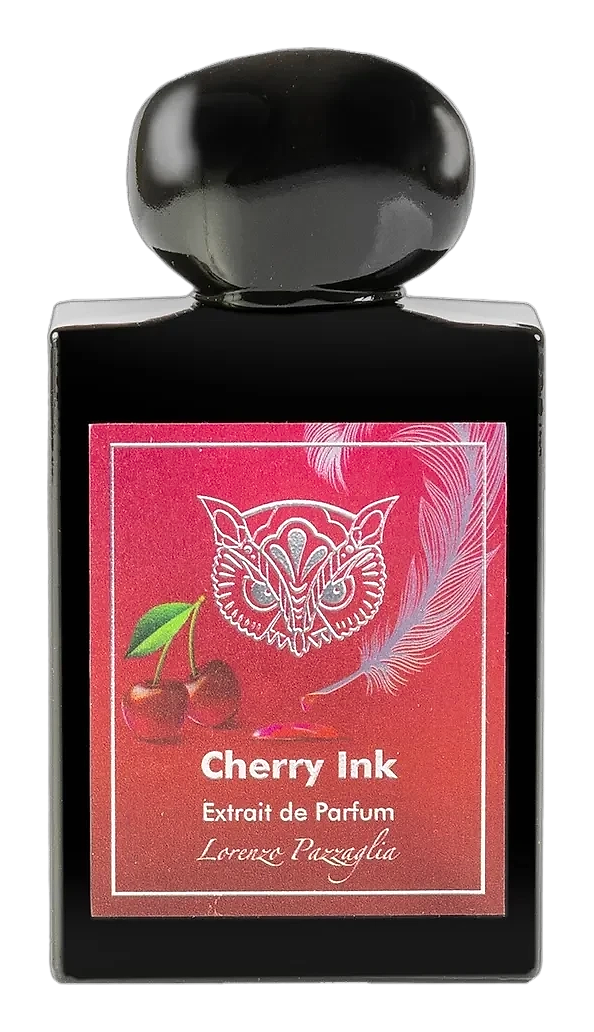


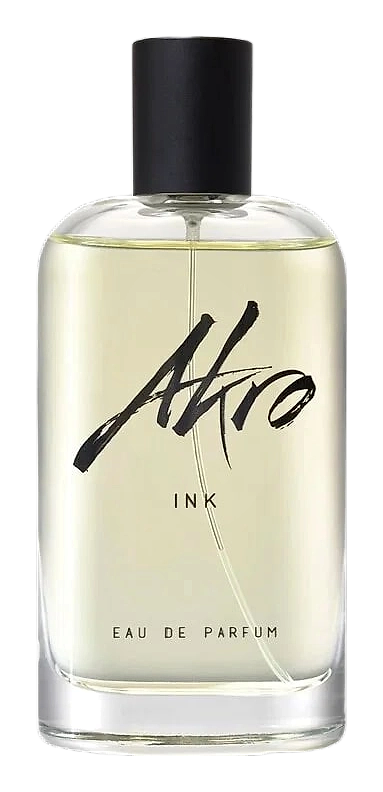


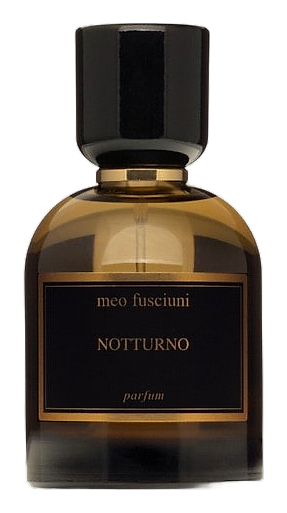
Brands
Brands known for Ink
Good to know
Questions, answered
The essentials on Ink in perfumery: how it smells, where it comes from, and how it behaves on skin.
What does ink smell like in perfume?
Ink notes in perfume smell metallic, dry, and slightly bitter, like fresh ink drying on absorbent paper. They carry a mineral sharpness combined with a faint papery warmth, without the sweetness typical of floral or gourmand fragrances.
Is the ink note made from real ink?
No. Perfume ink notes contain no actual ink. They are synthetic reconstructions built from aroma chemicals like isobutyl quinoline and certain pyrazines that mimic the volatile profile of iron-gall ink on cellulose paper.
When did the ink note first appear in perfumery?
The ink note emerged in the 1990s alongside avant-garde, artistic perfumery. It became possible when new synthetic pyrazines and metallic-smelling ketones gave perfumers the tools to approximate the scent of wet ink on paper.
What ingredients create an ink accord?
Perfumers typically combine isobutyl quinoline for metallic bitterness, pyrazines for dry papery warmth, and occasional traces of birch tar or castoreum tincture for smoky, animalic depth. Doses are kept below one percent to maintain subtlety.
Is ink a masculine or feminine note?
Ink reads as gender-neutral. Its metallic, contemplative character fits equally well in masculine woody compositions and feminine dark-floral or chypre structures, depending on what surrounds it.
How long does the ink note last on skin?
Ink notes typically function as a middle-to-base element and persist for three to five hours on skin. The metallic top facets fade first, leaving the dry, papery-mineral undertone through the drydown.
Which fragrance families use ink notes?
Ink appears most often in woody, aromatic, and avant-garde compositions. It pairs naturally with iris, violet, oud, and leather, where its mineral dryness reinforces those ingredients' cooler, more austere qualities.
Is an ink note sustainable?
Yes. Because ink notes are fully synthetic, they require no agricultural land, no animal harvesting, and no solvent extraction. Their production has a lower environmental footprint than most natural raw materials used in perfumery.