The Story
Why it exists.
The beginning
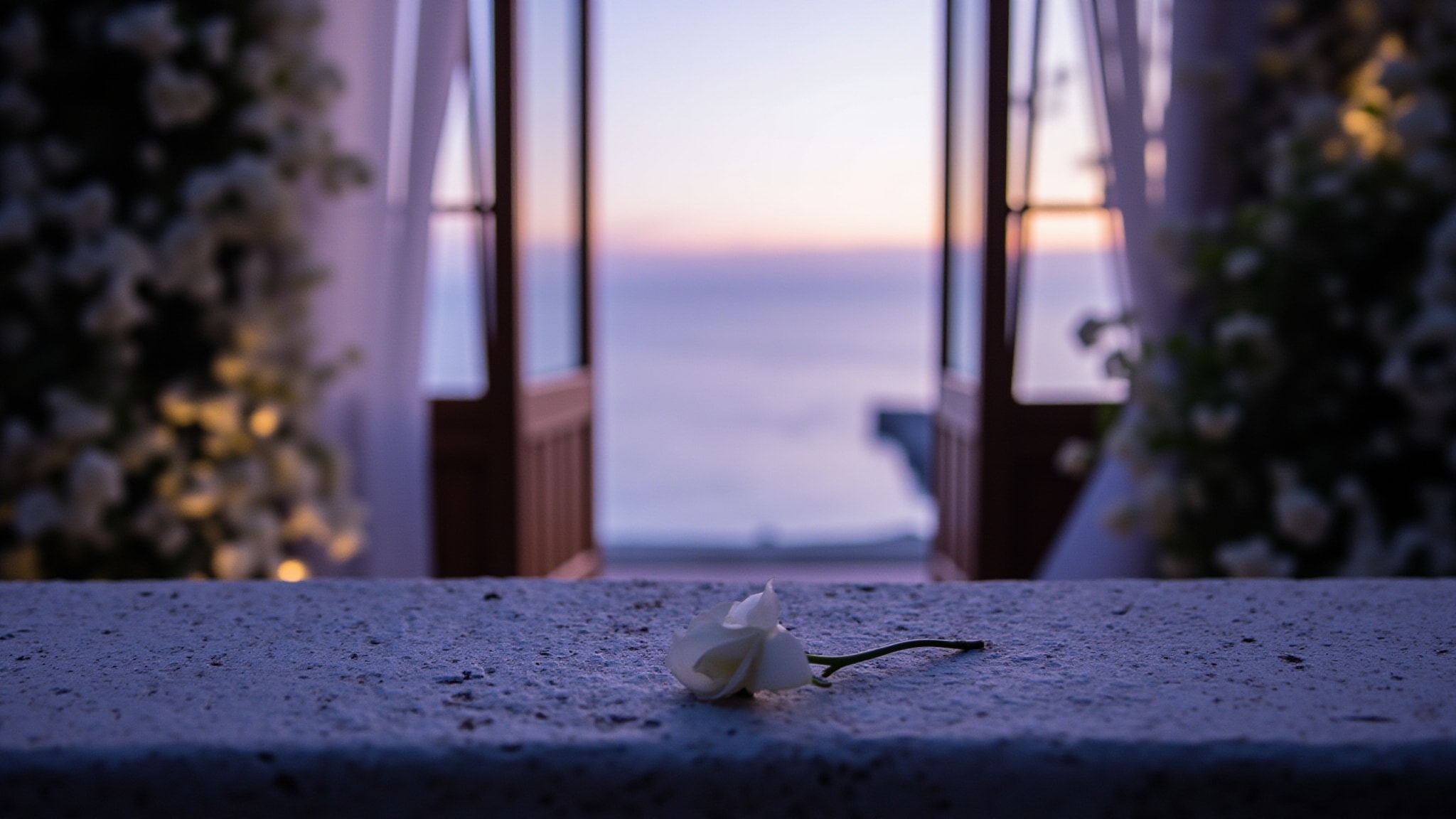
Do Son takes its name from a city at the Gulf of Tonkin in Vietnam. The fragrance is widely understood as a deeply personal composition within Diptyque's catalog, one that draws directly on the house's well documented habit of building scent around evocative place imagery. Fabrice Pellegrin composed Do Son, shaping the entire structure around tuberose as the dominant floral element. The composition aims to capture the twilight hour on the Vietnamese coast, when the white flowers stand out against the gathering dark and the sea air threads through the garden. What emerges is a fragrance that feels less like an abstract floral and more like a specific sensory memory of a coastline at dusk, when the air is heavy with bloom and the sea is just a few steps away.
What sets Do Son apart is how it handles tuberose. Rather than leaning into a straightforward indolic sweetness, the fragrance places tuberose alongside marine and aquatic notes, and the effect is something almost briny, as if the flowers had grown in salt air rather than under glass. The result reads as a white floral that carries a coastal coolness. Orange blossom contributes a brighter, slightly sunnier facet through the heart, while jasmine lends its greener, more animal edge. The composition keeps the floral center intact while allowing the surrounding notes to keep the scent buoyant.
The evolution
The opening arrives cool and immediate. Marine notes lift the tuberose off the skin, giving it an almost translucent quality in the early stages, like petals seen through seawater. The salt isn't aggressive. It's atmospheric, more the memory of a coast than a current. As the fragrance settles, the orange blossom and jasmine begin to surface, warming the composition and pulling it closer to the body. The aquatic edge softens but never fully disappears. In the heart phase, the tuberose takes full command, creamy and dense, but still buoyed by that green-aquatic undertone that keeps it from turning gourmand. The drydown is quieter. The jasmine fades first, then the orange blossom recedes, leaving the tuberose against a skin-warm base.
Cultural impact
Do Son holds a notable place within the broader conversation around white floral perfumery. It's frequently cited as a composition that demonstrates how tuberose can be treated with a lighter hand, bringing the flower into a more wearable register without flattening its character. The fragrance has earned a reputation for its coastal sensibility, with the marine and aquatic edges giving it a distinct profile among tuberose-forward releases. Within niche perfume circles, it's often discussed as a useful reference point for how green and aquatic notes can be woven into a floral heart without overwhelming the central bloom.