The Story
Why it exists.
The beginning
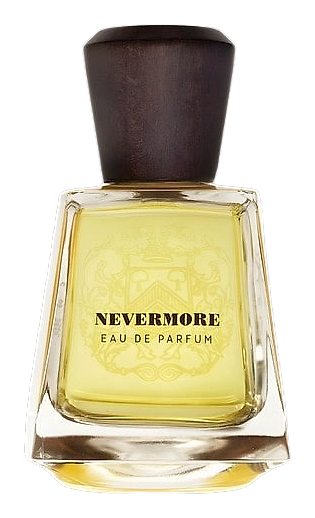
Nevermore takes its name from the most famous refrain in American poetry, the word a grieving man hears from a bird in Edgar Allan Poe's 1845 poem. Anne-Sophie Behaghel created the fragrance in 2014, building around a tension between cool precision and something warmer underneath. The aldehydes open sharp, almost clinical, then give way to Damask rose, the heart of the composition, and its quiet defiance. It's a fragrance named for something that doesn't leave you, which is also what it does on skin.
The structure is unusual in how deliberately it holds its opening. Most fragrances rush toward the heart; Nevermore lets the aldehydes linger, a cold shimmer that reads as either clinical or captivating depending on where you stand. The addition of Floralozone adds an ozonic lift that elevates the metallic quality rather than softening it, creating a kind of suspended tension before the Damask rose arrives to settle everything. Saffron appears in the base rather than the heart, uncommon for a spicy rose composition, which pushes the warmth downward, keeping the top crisp and the finish grounded in amber and cedar rather than sweetness.
The evolution
The first ten minutes belong entirely to the aldehydes and black pepper. Cold, bright, with a metallic edge that sits close to skin. Then the rose begins to push through, not the syrupy Bulgarian rose of safer compositions, but something with more structure, more restraint. Nutmeg and saffron layer in, adding warmth that counterbalances the cool opening without erasing it. By the third hour, the cedar and amber have settled, creating a drydown that smells like the last page of a long book, quiet, contemplative, with something that stays. Nevermore earns its name through longevity, holding for eight to ten hours on most skin types, never truly disappearing but transforming instead.
Cultural impact
Aldehydic florals fell out of fashion as niche perfumery embraced natural materials and loud projections. Nevermore arrived in 2014 as a quiet argument against that trend, using the classical structure to house a modern sensibility. It attracted a specific kind of wearer, someone literary, drawn to complexity, willing to sit with the cold opening before the warmth arrives. The aldehydic rose-saffron combination has since become a reference point for anyone exploring the space between vintage formalism and contemporary restraint.