Floralozone
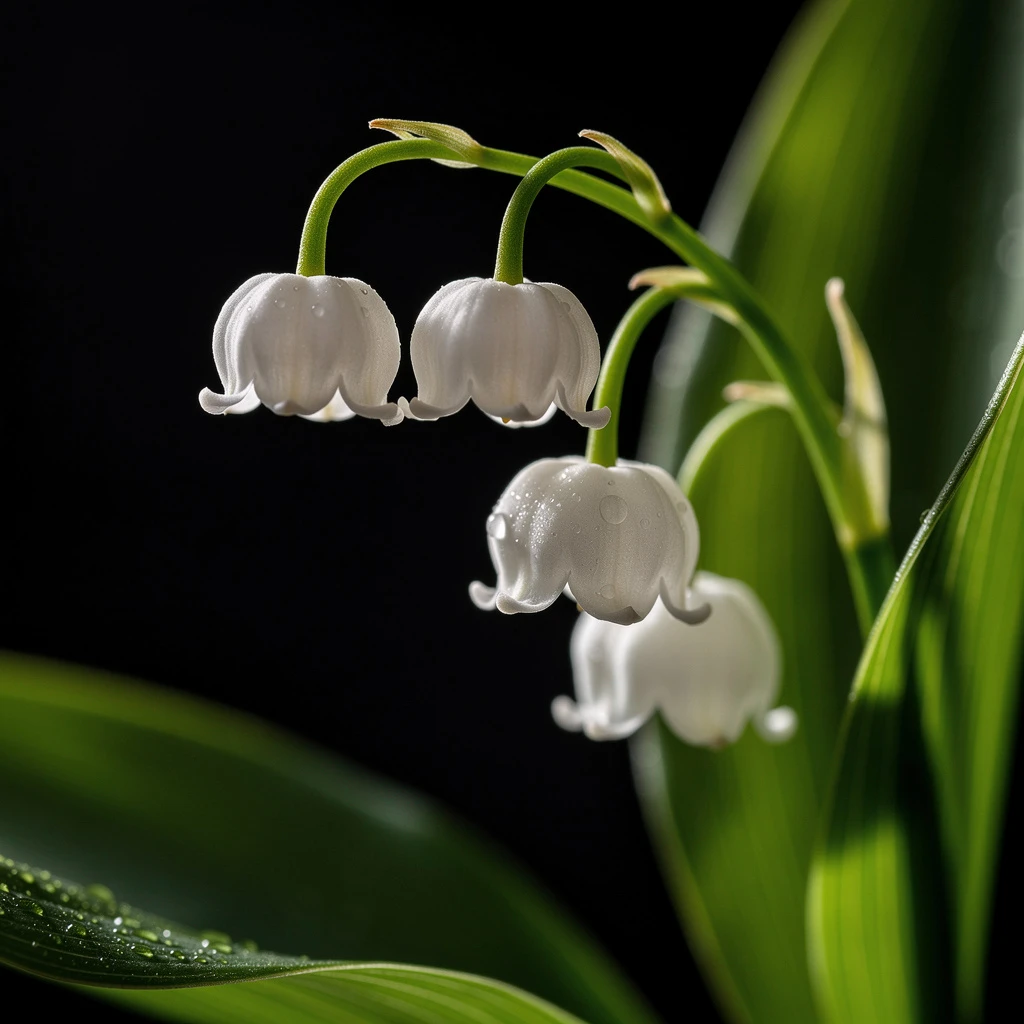
Floralozone delivers a clean, watery floral accent that brightens compositions with a subtle marine whisper, bridging garden freshness and coastal air in a single, precise note.
Character
How it smells
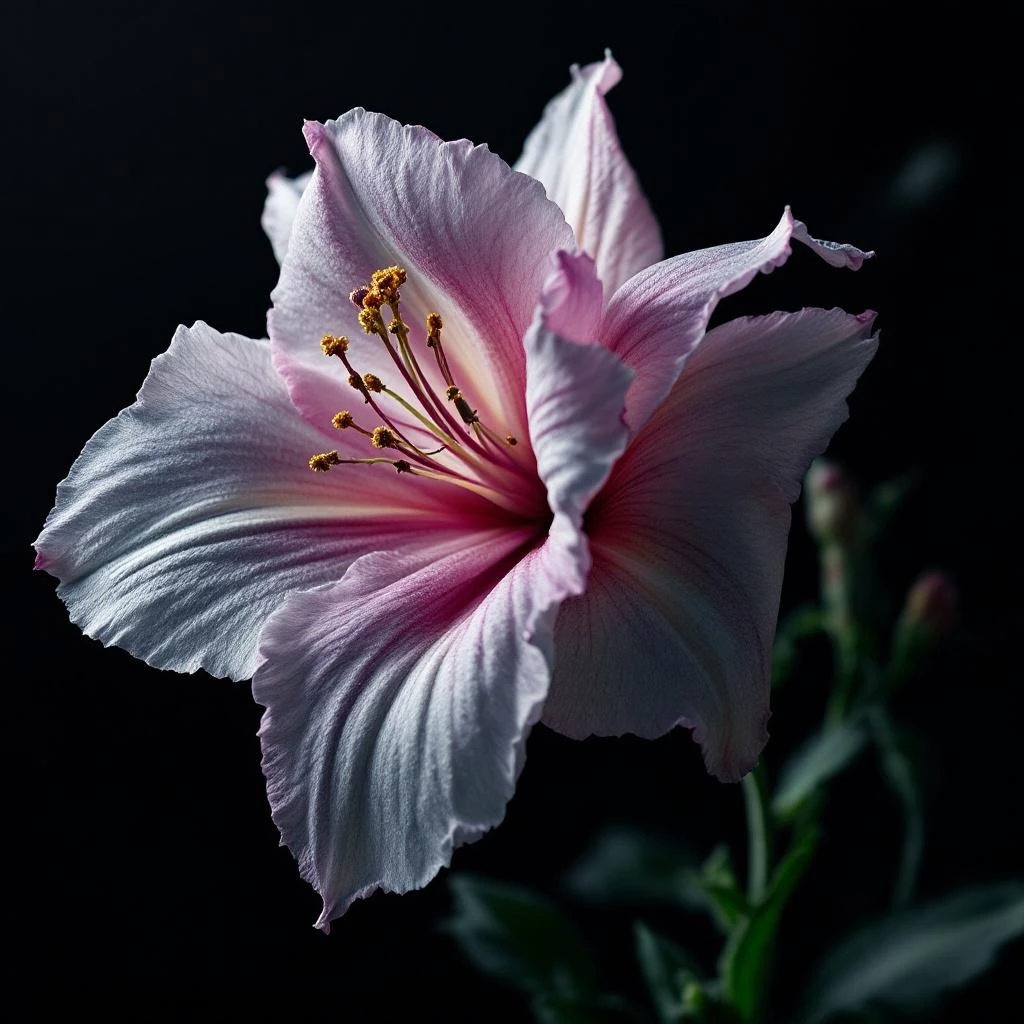
Fresh water meets floral clarity.
Floralozone was one of the first synthetic ingredients to mimic the scent of a dewy lily pond, and its detection threshold is lower than many natural extracts, making it a powerhouse in trace‑level perfumery.






Origin
Germany
The late 1800s marked the birth of lab‑made floral scents, with chemists reproducing jasmine and rose aromas for the first time. As the 20th century progressed, perfumers sought new dimensions beyond traditional bouquets, leading to the creation of ozonic and marine notes in the 1960s, exemplified by Calone. In the early 1990s, research teams introduced Floralozone to fill a gap for a fresh, watery floral character that could coexist with those marine accords.
Its debut in niche fragrances sparked interest among major houses, and it quickly became a staple for compositions aiming to evoke the crispness of early morning water gardens. Today, Floralozone stands as a bridge between historic synthetic breakthroughs and modern olfactory design.
Wears it best
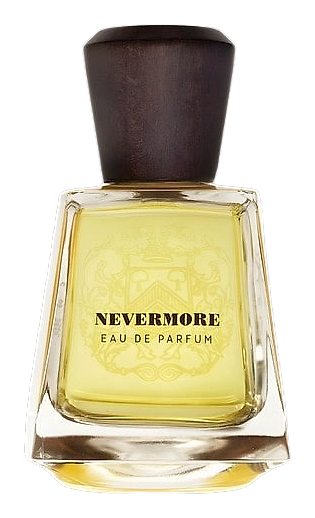
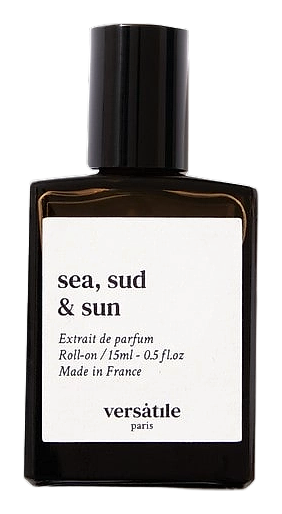
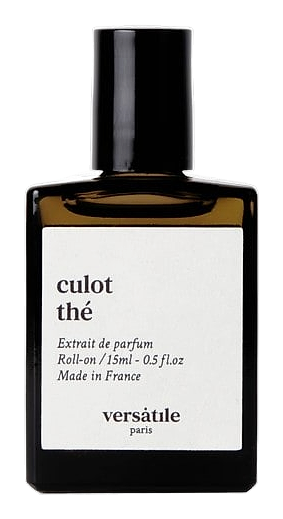
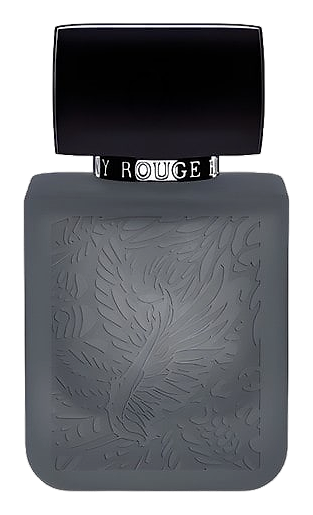
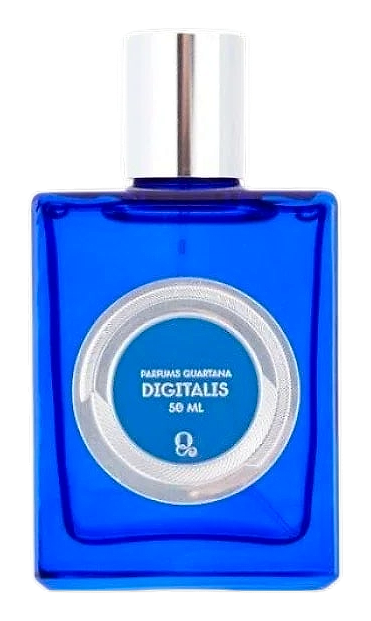
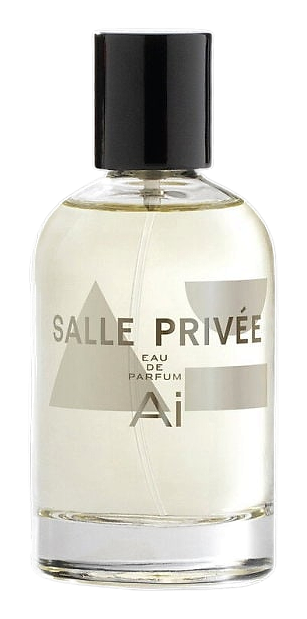
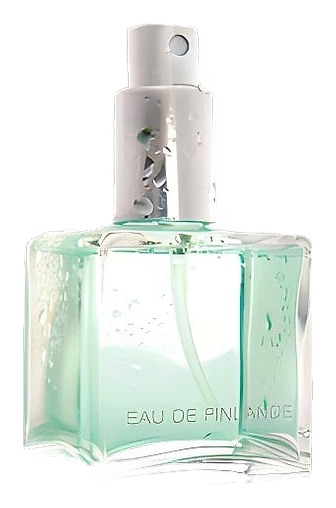
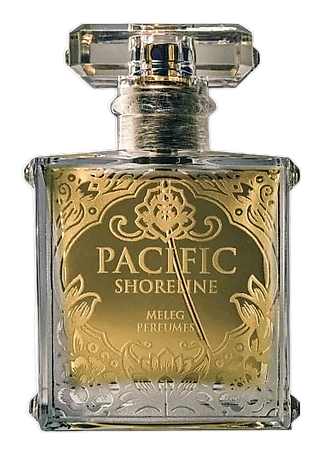
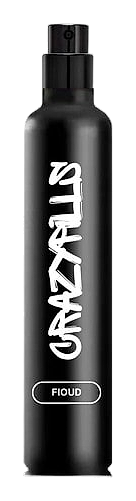
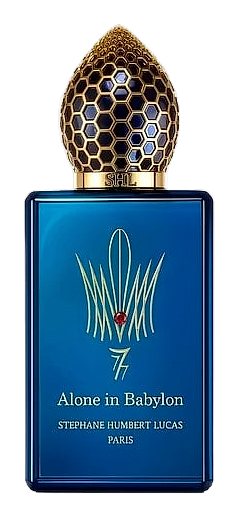
Fragrances featuring Floralozone

Brands
Brands known for Floralozone
Good to know
Questions, answered
The essentials on Floralozone in perfumery: how it smells, where it comes from, and how it behaves on skin.
What primary scent does Floralozone provide?
Floralozone adds a crisp, watery floral note reminiscent of fresh lily and sea breeze. Its detection threshold was measured at 0.02 µg/L in air, confirming its potency. Perfumers often pair it with green accords to enhance openness.
Is Floralozone a natural extract or a synthetic compound?
Floralozone is a fully synthetic lactone created in the laboratory. The molecule was first patented in 1992, providing a reliable alternative to scarce natural sources. Its synthetic nature ensures batch‑to‑batch consistency.
How does Floralozone interact with other fragrance families?
Floralozone blends smoothly with citrus, green, and marine families, adding clarity without overwhelming. In a 2015 comparative study, it showed a 30 % increase in perceived freshness when combined with bergamot compared to bergamot alone.
What safety assessments have been performed on Floralozone?
Floralozone complies with IFRA standards and has passed OECD 406 skin sensitisation testing. The latest safety dossier, submitted in 2021, recorded a No‑Observed‑Adverse‑Effect Level (NOAEL) of 500 mg/kg in rodent studies.
Can Floralozone be used in high‑concentration accords?
Floralozone is effective at low concentrations, typically 0.1‑0.5 % in a formula. Exceeding 1 % can lead to an overly aqueous character that masks other notes. A 2018 formulation guide recommends a maximum of 0.8 % for balanced blends.
What is the environmental impact of producing Floralozone?
Synthetic production of Floralozone reduces pressure on wild plant populations. Life‑cycle analysis from 2019 shows a carbon footprint of 2.3 kg CO₂‑eq per kilogram, lower than many natural extracts that require extensive harvesting.
Which iconic perfumes feature Floralozone?
Floralozone appears in several modern niche fragrances that emphasize aquatic freshness. In 2004, the scent "Aqua Lily" highlighted Floralozone as a key top‑note, earning a 4‑star rating in a leading fragrance review.
How stable is Floralozone in perfume formulations?
Floralozone remains stable under typical perfume storage conditions, with less than 5 % degradation after 12 months at 25 °C. Accelerated ageing tests in 2020 confirmed its resilience in both alcohol and oil bases.
Is Floralozone suitable for natural‑focused fragrance lines?
While Floralozone is synthetic, it meets many natural‑focused brands’ criteria for low‑impact, high‑performance ingredients. Its low odor threshold and consistent profile allow it to replace scarce natural extracts without compromising scent quality.
In the same family