Heritage
A house, in its own words
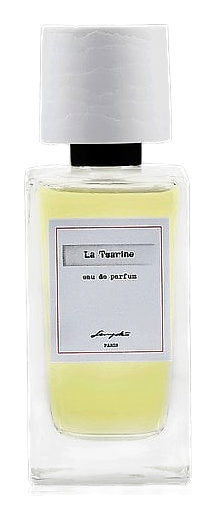
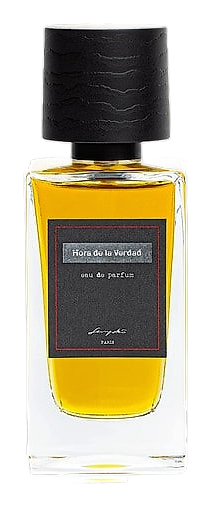
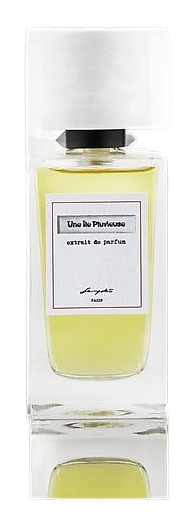
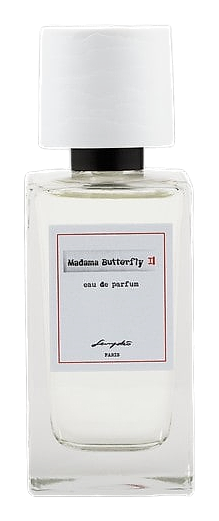
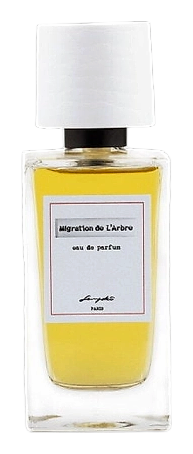
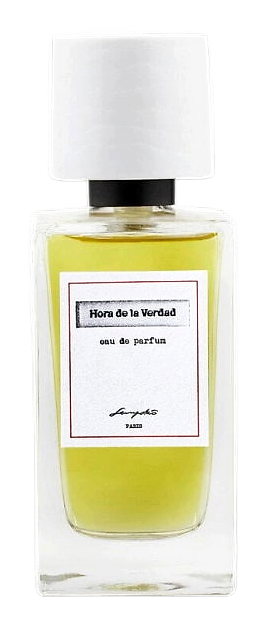
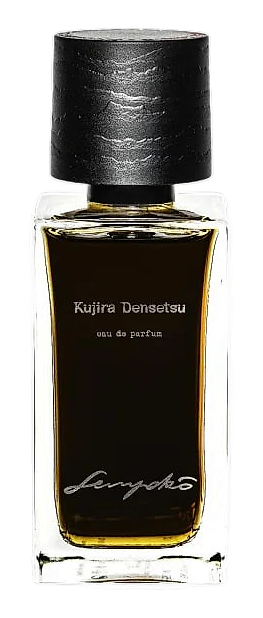
Joseph and Eglantine Berthion launched Senyokô in the heart of Paris in 2016 after years of curating art exhibitions and studying traditional Japanese aesthetics. Their first public release arrived in 2018 with Migration de L'Arbre, a fragrance that combined cedarwood, amber and a hint of sakura, signaling the house’s intent to blend two cultural vocabularies. 2019 saw the arrival of La Tsarine and Madama Butterfly II, both praised for their narrative depth and for introducing a subtle lacquer‑inspired accord that echoed Japanese craft traditions. In 2020 the brand expanded its seasonal storytelling with Une Île Pluvieuse, a rain‑kissed composition that referenced the poetry of French Symbolists. 2022 marked a turning point when Senyokô introduced Hora de la Verdad, a scent that paired Spanish literary references with a minimalist bottle design, and later that year released the companion piece Hora de la Verdad Sombra, deepening the narrative arc. 2025 brought Kujira Densetsu, created with perfumer Michael Norstrand, whose background includes work for Tom Ford and Jo Malone; the fragrance explores the myth of the whale through marine notes and rare marine ambergris substitutes. Throughout its first decade, Senyokô has maintained a small‑batch production model, releasing fewer than 2,000 units per launch, a practice that reinforces its focus on craftsmanship over volume. The house has been featured in niche perfume blogs such as MIRISNA, and its releases have been highlighted in curated scent rooms across Paris, London and Tokyo, confirming its growing reputation among connoisseurs. Senyokô approaches perfumery as a dialogue between two artistic lineages. The founders describe their work as a canvas where French literary references meet Japanese wabi‑sabi principles, allowing each fragrance to convey a moment rather than a static identity. The brand selects source material from classic novels, haiku, and visual art, then translates those narratives into scent structures that respect balance and negative space. Sustainability informs the creative process; ingredients are chosen for their ecological footprint as well as their ability to evoke a specific story. Senyokô also values anonymity of the nose, preferring to let the composition speak for itself rather than foreground a celebrity perfumer. This restraint aligns with the Japanese concept of shibui, which celebrates understated elegance, while the French influence appears in the meticulous layering of accords. The house believes that a perfume should invite the wearer to imagine, not dictate, and therefore each launch includes a brief literary excerpt that frames the scent’s intended mood. By merging two cultural perspectives, Senyokô seeks to create a shared sensory language that feels both familiar and novel.