
The Story
Why it exists.
The beginning
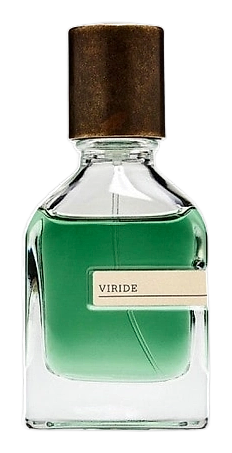
Orto Parisi treats the body as a garden, and Alessandro Gualtieri has built this brand around the coexistence of growth and decay, instinct and soul. Viride takes its name from the Latin word for green, but Gualtieri uses it as a provocation. This is not a fragrance about manicured lawns or fresh-cut grass. Instead, it references a Yemeni man wearing a traditional floral crown, a figure rooted in ceremony and earth. The brand insists on nature in its most honest and uncompromising form, and Viride embodies that insistence through artemisia, lavender, jasmine, pine, juniper, cedarwood, tobacco, and musk.
Gualtieri chooses each note for its ability to confront, not coddle. Artemisia brings a bitter, almost absinthelike quality that signals from the first spray that this is not a safe choice. Jasmine bridges the gap between the medicinal opening and the woody base, its floral richness acting as a bridge. The evergreen and tobacco notes of the drydown ground the fragrance in earth and resin, while musk leaves a trace that feels instinctual. Viride asks the wearer to accept green in its full complexity: bitter, floral, resinous, and close to the skin.
The evolution
The fragrance begins with a sharp, almost startling green jolt from artemisia, quickly tempered by lavender's cool herbaceousness. Within the first fifteen minutes, the opening notes settle into a working relationship, the bitterness of the artemisia finding counterpoint in lavender's calming presence. Jasmine arrives next, blooming with creamy, slightly animalic floralcy that shifts the character from austere to sensual. The drydown then takes over slowly, pine and juniper leading the descent into evergreen territory, with cedarwood providing structure, tobacco lending a subtle earthiness, and musk ensuring the final hours feel close to the skin and deeply personal.
Cultural impact
Viride occupies a specific corner of niche perfumery: the herbal-coniferous space that most fragrances approach abstractly, and Orto Parisi approaches literally. Wearers describe it as an uncompromising statement in green fragrance, a scent that refuses the polite version. It skews toward cooler months, with winter and fall usage data showing the most pronounced engagement. The community rates longevity above average, with strong sillage that draws strong opinions. Viride has become the fragrance for someone who wants green but demands authenticity over restraint.