Fenugreek
From ancient Egyptian remedies to modern perfumery, fenugreek seeds yield a warm, maple-like aroma that adds unexpected depth to fragrances.
Character
How it smells
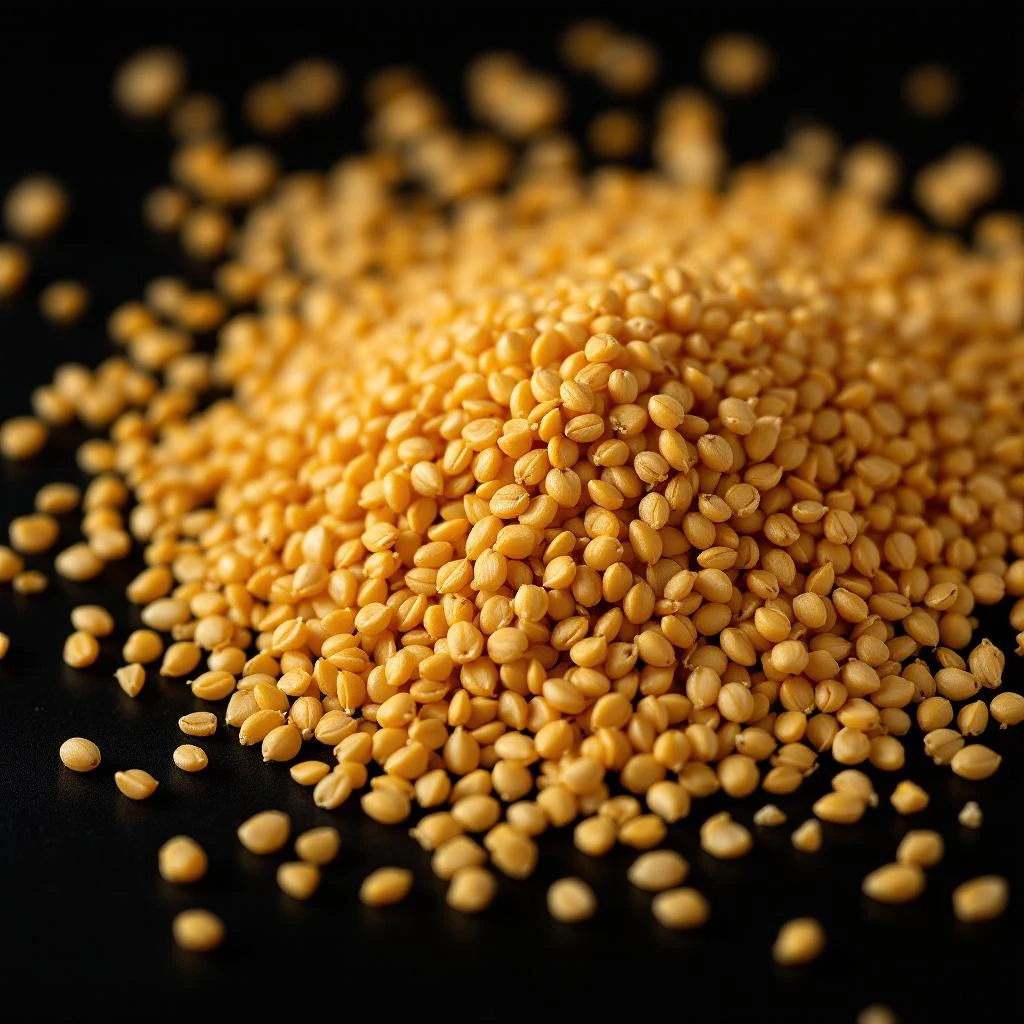
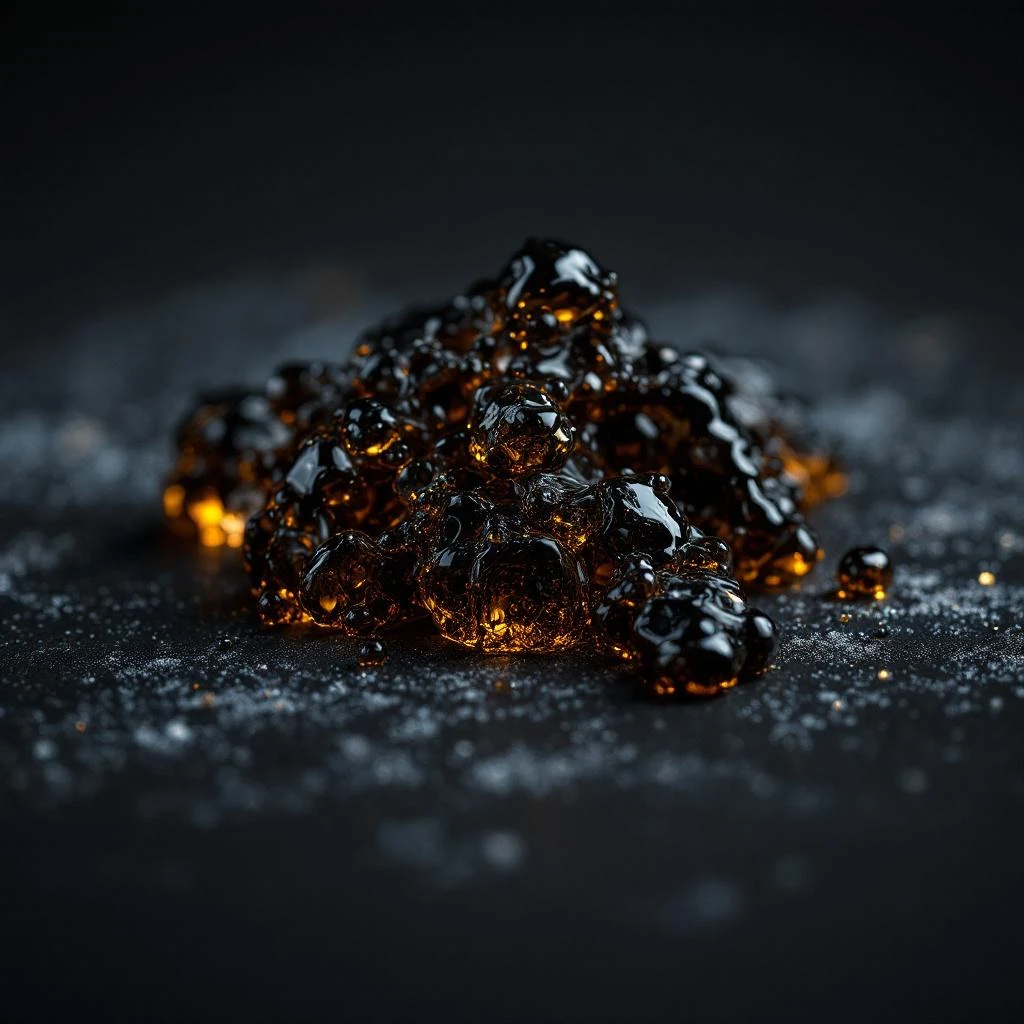
Maple, hay, and a whisper of curry
The same seeds that flavor your curry also produce the sweet, caramel-like notes found in bourbon whiskey.







Origin
India
Fenugreek has accompanied human civilization for over 4,000 years, originating in the eastern Mediterranean before spreading to Egypt, the Middle East, and South Asia. Pliny the Elder documented an unguent of fenugreek in ancient Rome, while Arab perfumers of the early medieval period incorporated the roots into their aromatic preparations. The plant's botanical name, Trigonella foenum-graecum, translates from Latin as Greek hay, a reference to its use as livestock fodder alongside its culinary and medicinal applications.
In traditional Ayurvedic and Unani medicine, fenugreek seeds treated everything from digestive ailments to inflammation. The fragrance industry discovered this ancient ingredient relatively recently, adopting it during the 20th century as perfumers sought novel aromatics that bridged culinary and perfume worlds.
Wears it best
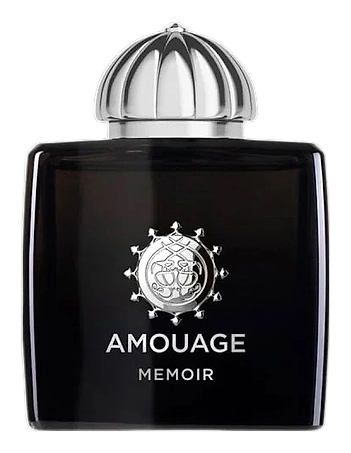
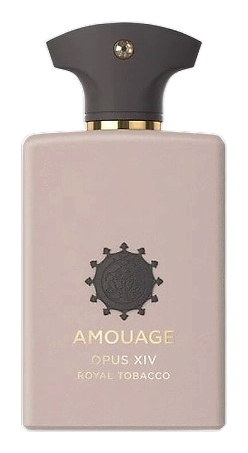
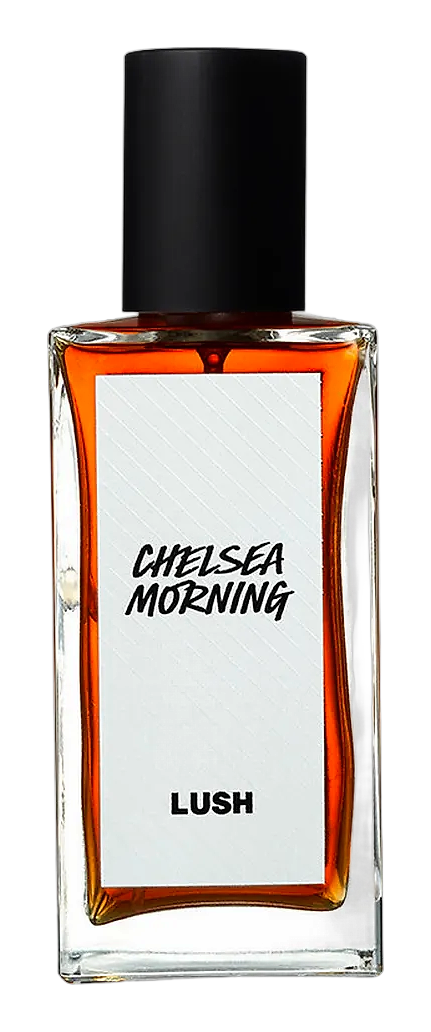
Fragrances featuring Fenugreek

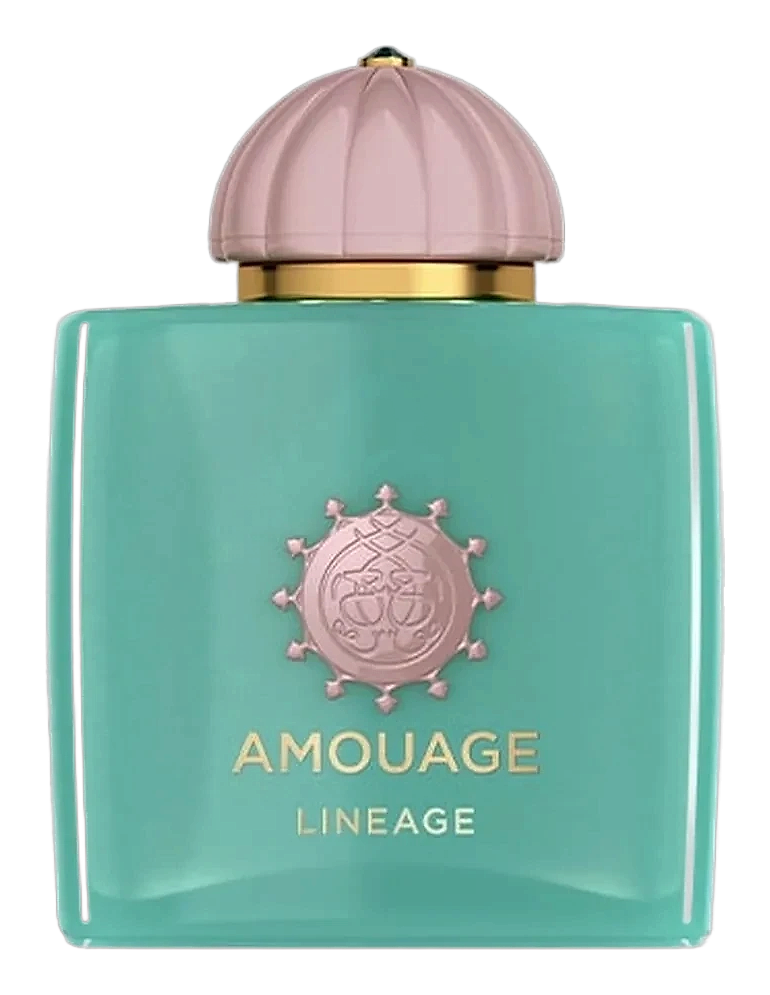
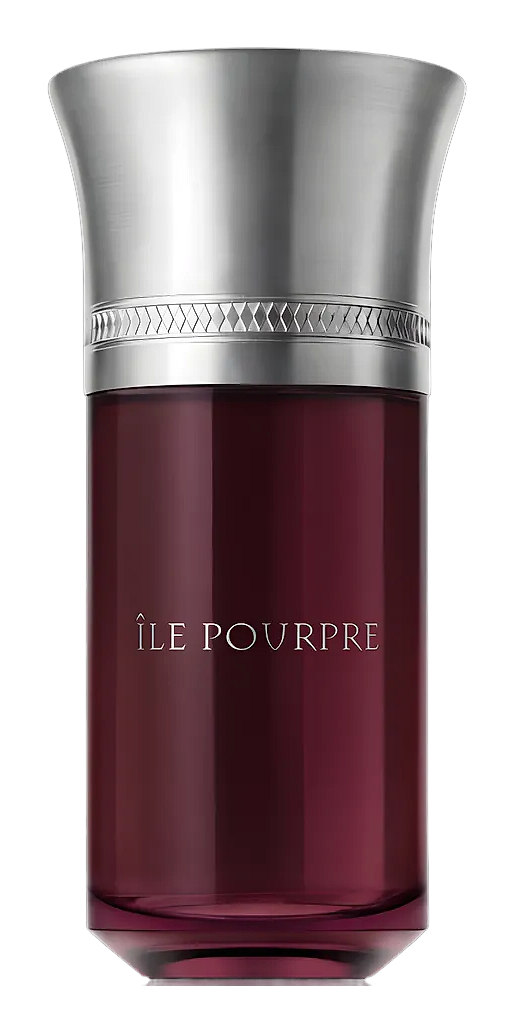
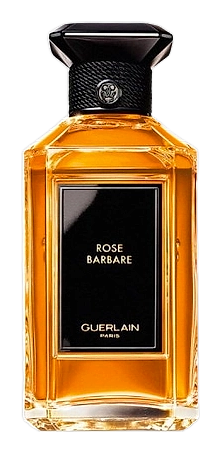
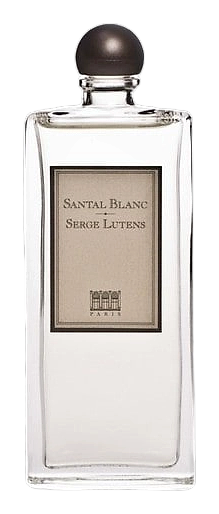
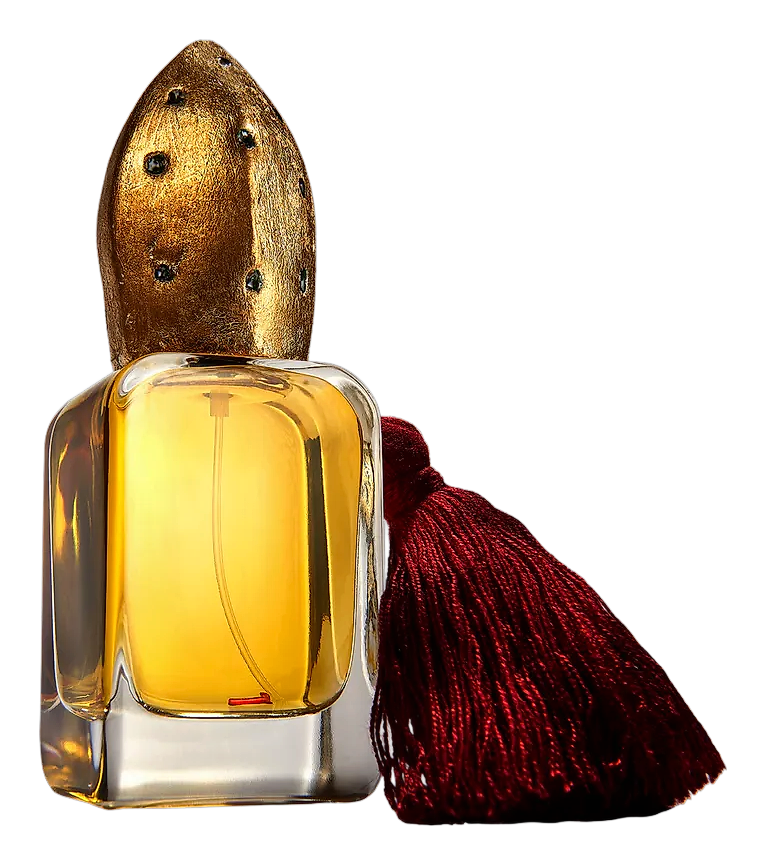

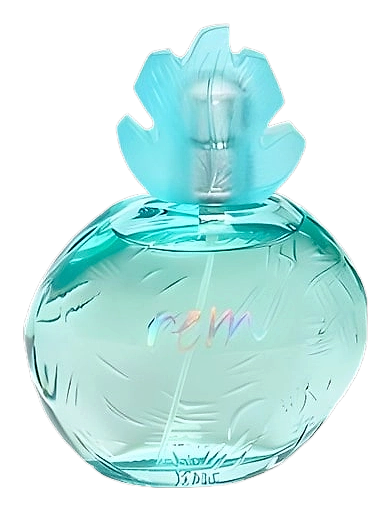
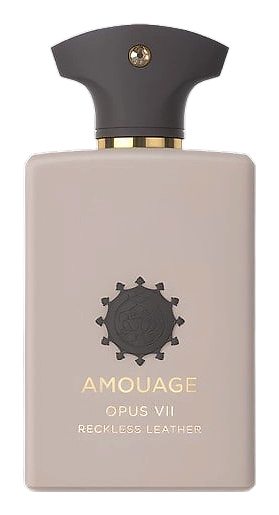
Brands
Brands known for Fenugreek
Good to know
Questions, answered
The essentials on Fenugreek in perfumery: how it smells, where it comes from, and how it behaves on skin.
What does fenugreek smell like in perfume?
Fenugreek delivers a warm, maple-like sweetness with hay-like depth and subtle undertones reminiscent of curry or celery. It functions as a bridging ingredient that connects spicy, sweet, and green fragrance families.
Is fenugreek used in men's or women's fragrances?
Fenugreek appears across gender categories, though it shows up most frequently in unisex and masculine compositions where its warm, slightly savory character complements woods and leathers.
Which fragrances feature fenugreek as a prominent note?
Notable examples include Tom Ford Tobacco Vanille, where fenugreek enhances the tobacco warmth, and Le Labo Santal 33, where its curry-like nuance adds unexpected complexity.
Is fenugreek natural or synthetic in perfumery?
Most fenugreek materials in perfumery are natural extracts from seeds, though synthetic recreations exist. Natural oleoresin and absolute capture the full aromatic spectrum more effectively than lab-created alternatives.
What concentration of fenugreek is used in formulations?
Fenugreek typically appears in low percentages, usually below 2%, because its potent aroma easily overwhelms other notes if used generously. A little delivers warmth and intrigue; too much produces an unpleasantly bitter, medicinal character.
Does fenugreek have aromatherapy properties?
Studies indicate fenugreek shows anti-inflammatory and calming properties. Its scent is associated with comfort and warmth, though these effects remain subjective and poorly documented in controlled research.
Where does commercial fenugreek for perfumery originate?
India produces roughly 80% of global fenugreek, followed by Morocco, Turkey, and Egypt. Rajasthan and Gujarat states in northwestern India dominate cultivation due to their arid climate.
What fragrance families pair well with fenugreek?
Fenugreek harmonizes with vanilla, tobacco, tonka bean, amber, sandalwood, and other warm materials. It also bridges beautifully with citrus and green notes, adding unexpected depth to lighter compositions.